Begin with the daily friction
Come innothing has to be perfect here.
Rooms for the life you are actually living.
Useful ideas for homes with laundry on the sofa, half-finished plans on the table, and people still figuring out what works.
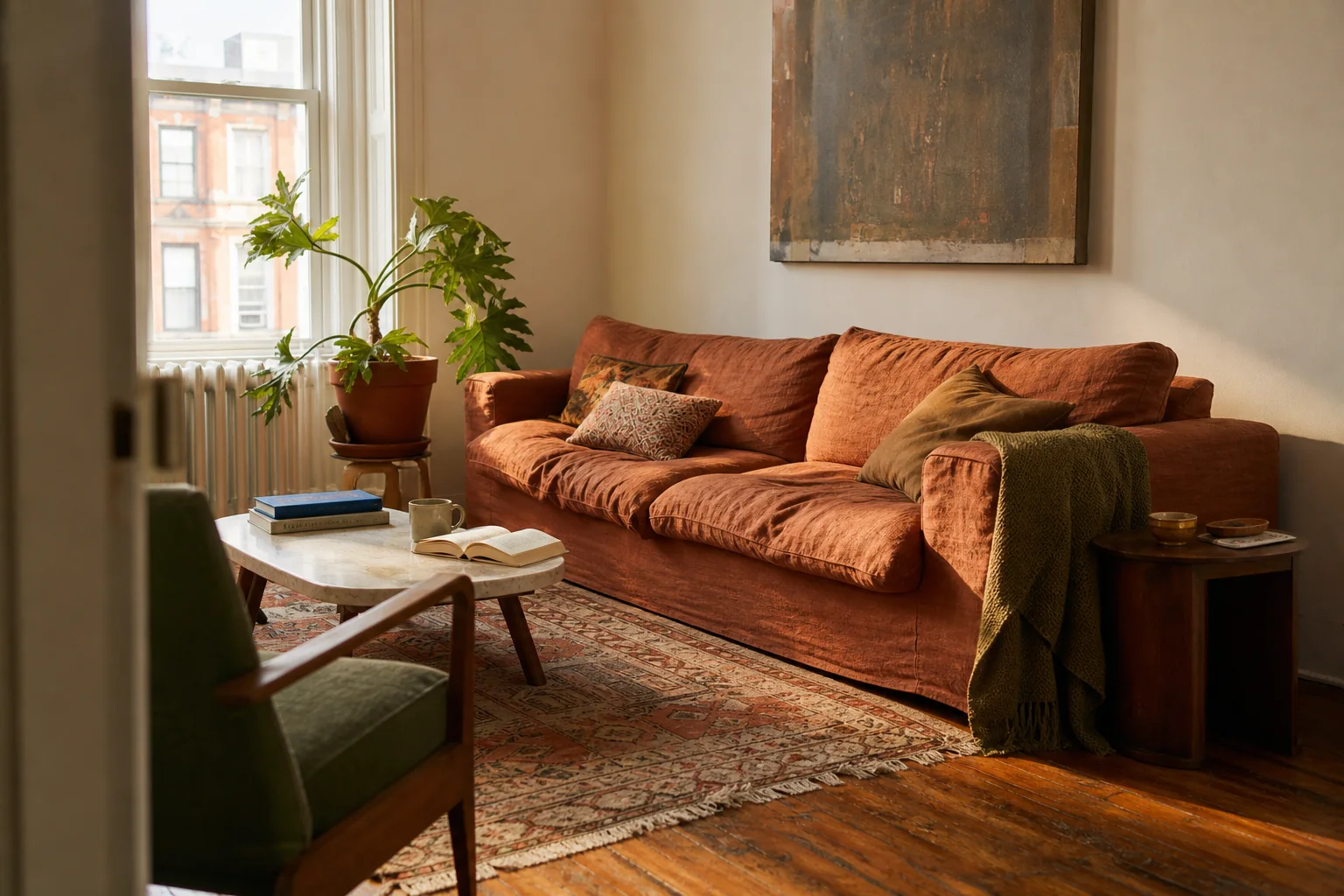 In this room the book is open, the blanket has slipped, and that is rather the point.
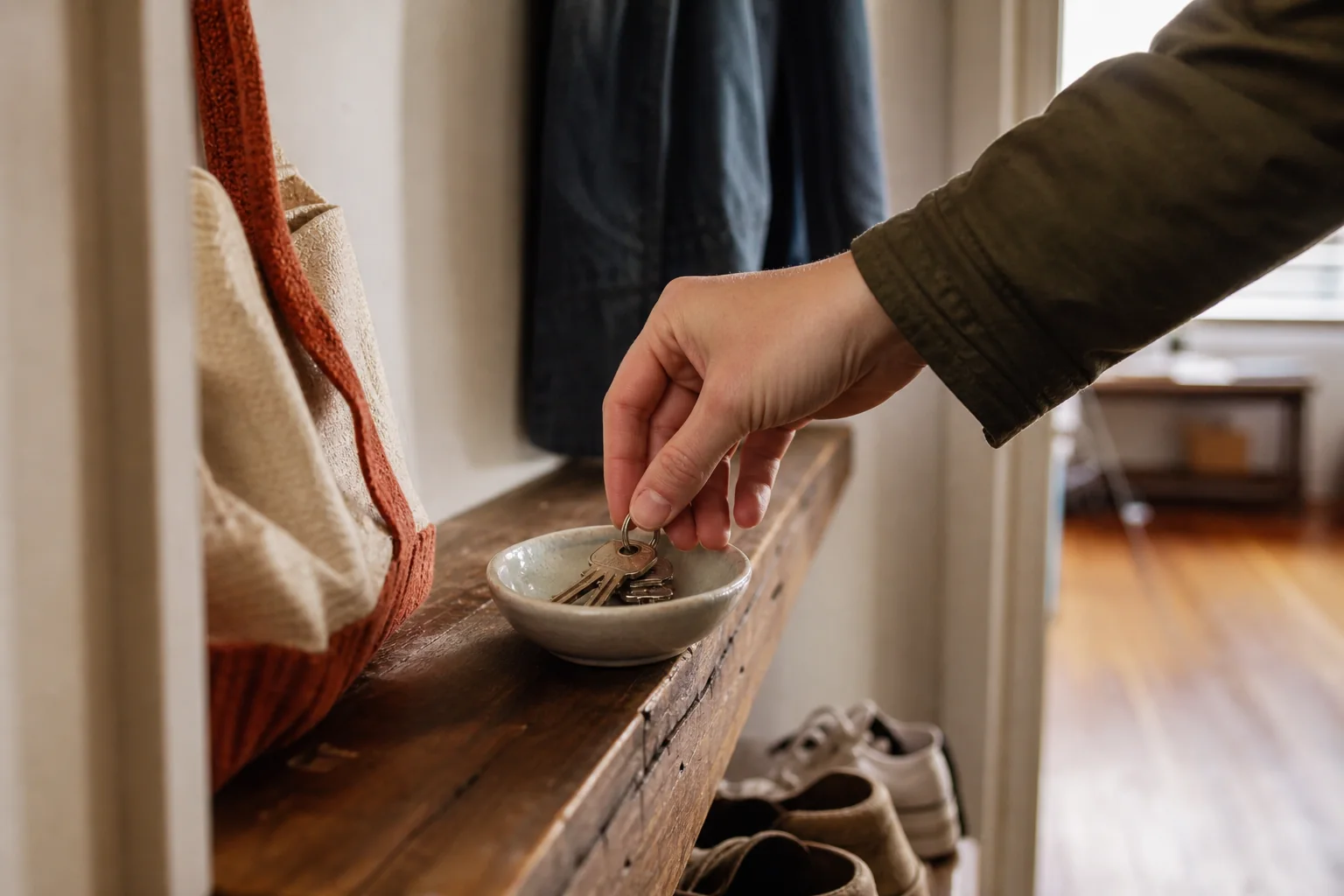 The habit came first.
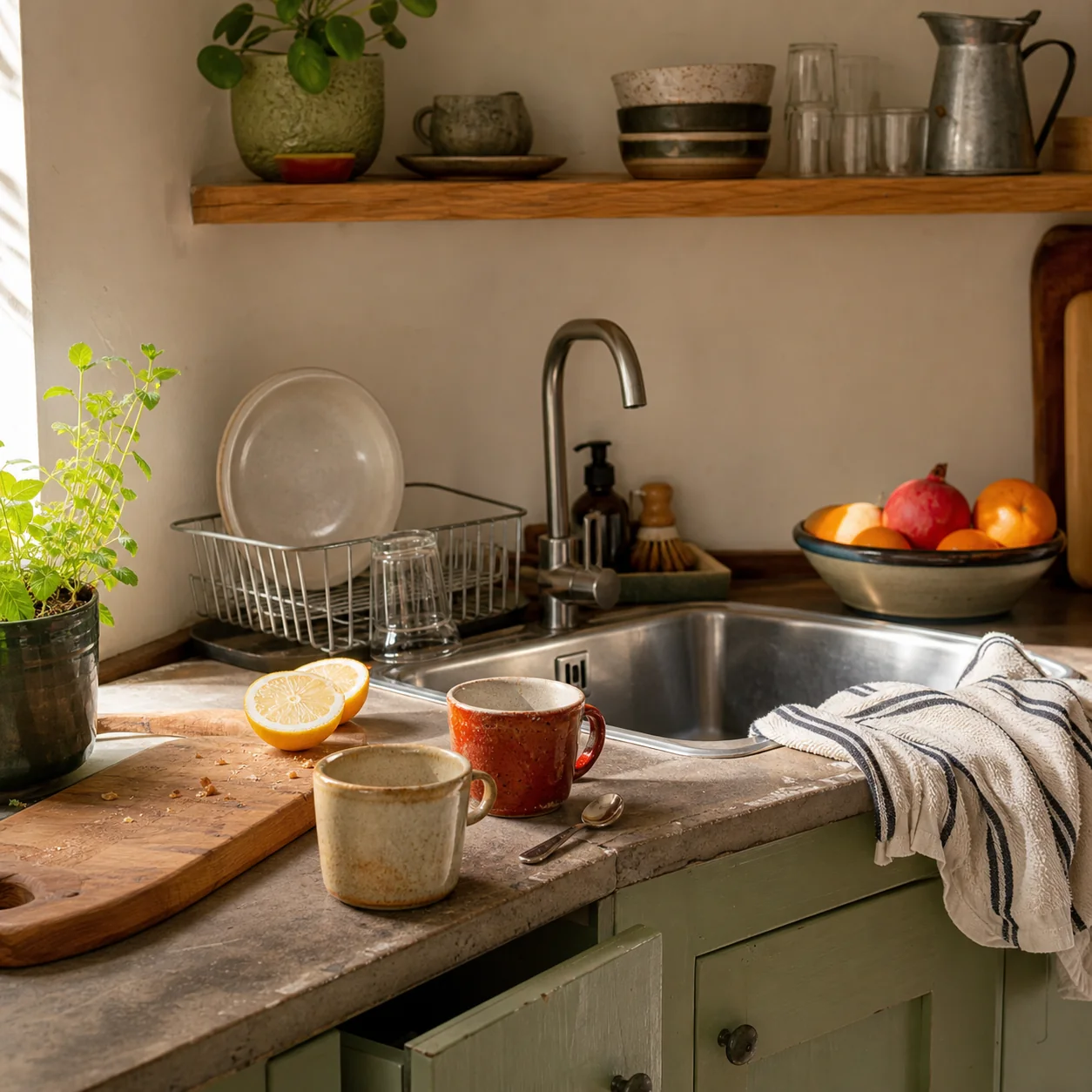 Two cups. No styling emergency.
Around the table this week
Things we cannot stop talking about.
A pantry that works with open packets. A bed that survives real laundry. A dining corner in a room that was never meant to have one. Pick the conversation you need today.
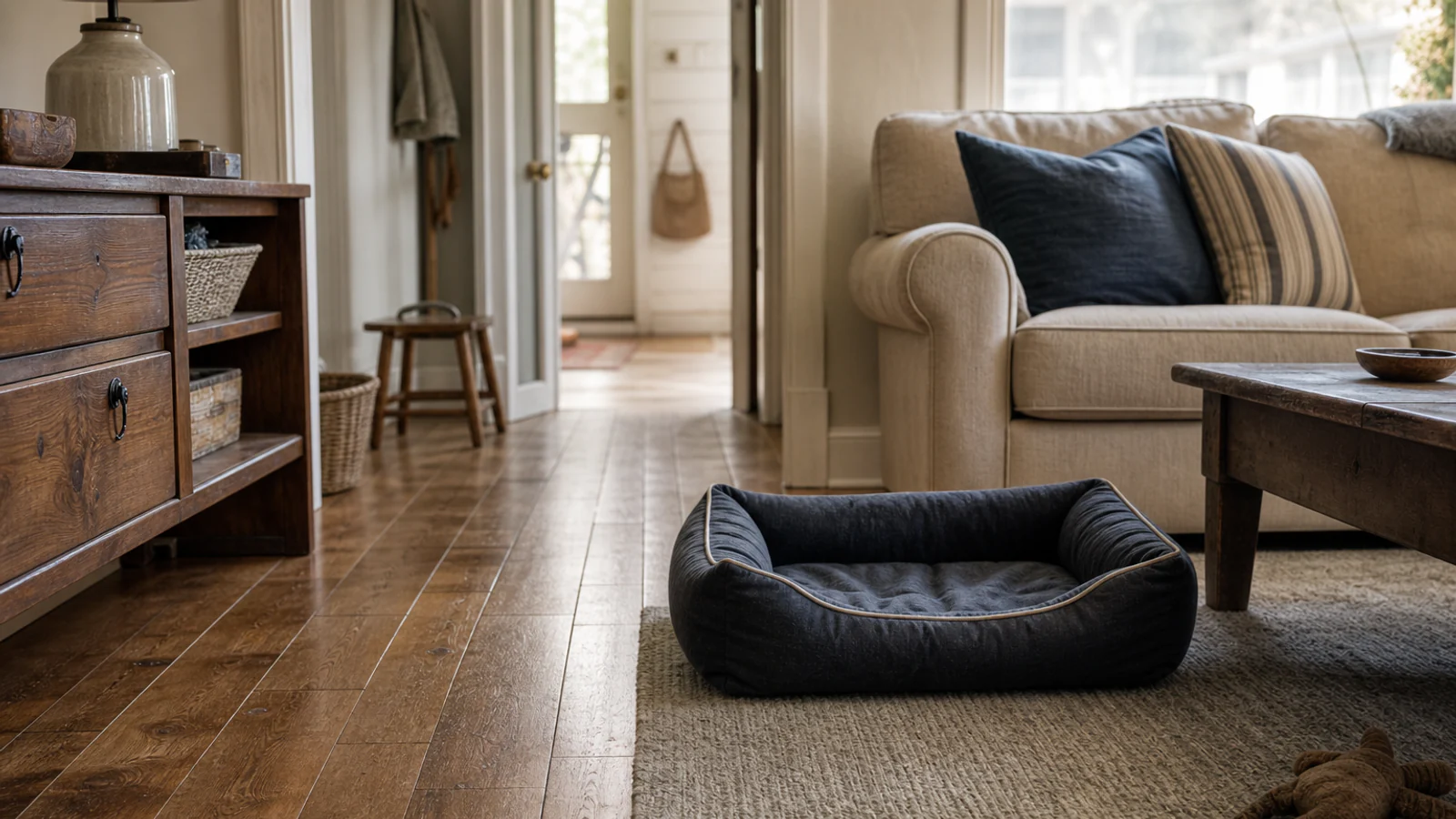
Build a Pet-Friendly Living Room From Floor Level Up
Watch one ordinary evening from floor level before choosing the bed, rug, sofa cover or decorative pet station.
Read with us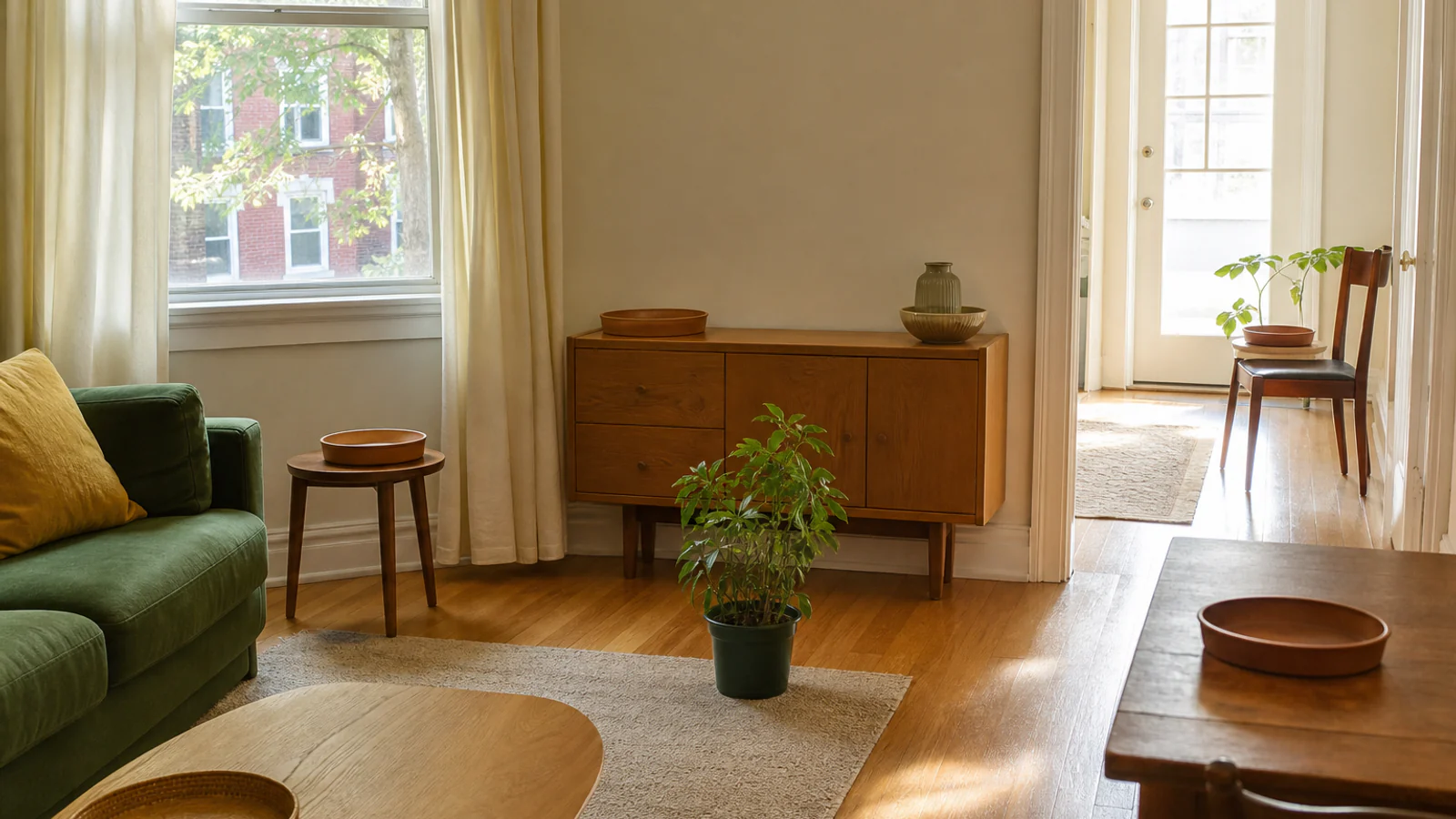
Place Houseplants From a Seven-Day Light Map
A styled corner is one frozen moment. This field guide maps how three candidate positions change through an ordinary week before a…
Read with us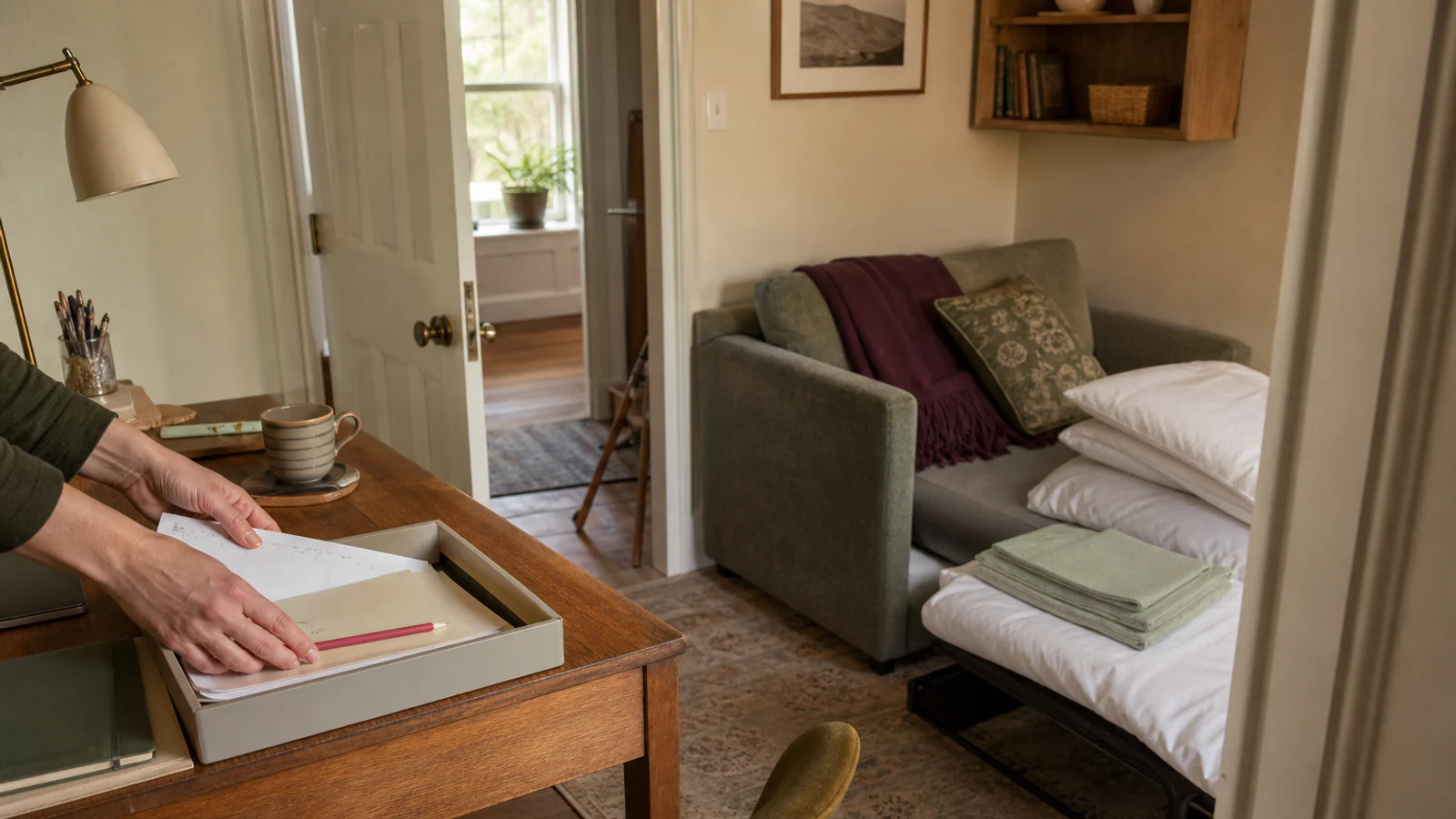
Make a Guest Room Work When Nobody Is Staying
Give the room one honest daily job, define exactly how that job closes, and reserve the route and storage a visitor will…
Read with us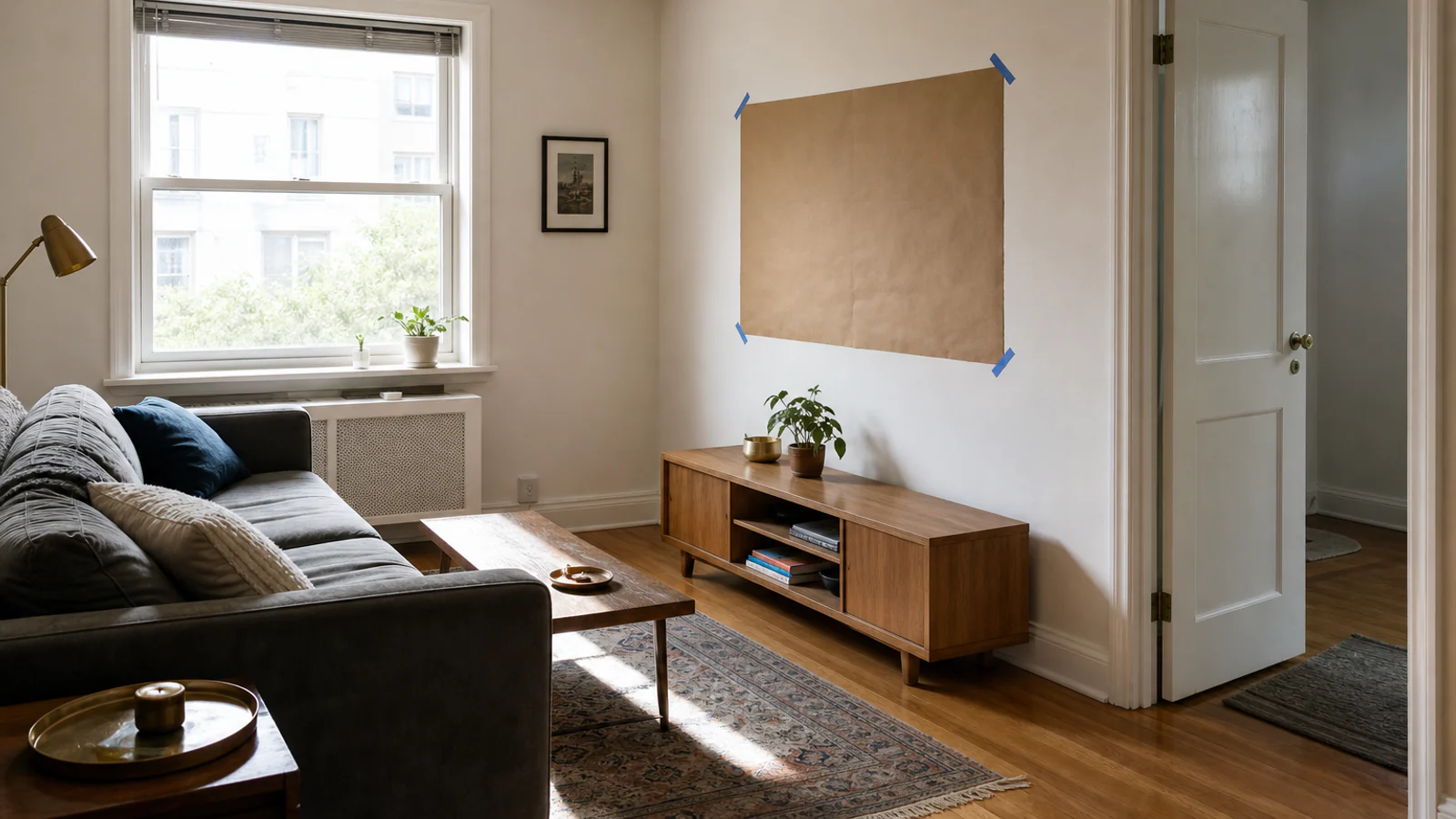
Place the TV by Testing the Brightest Hour and the Busiest Route
A useful TV wall begins with the room at its brightest, the seat people actually use and the route that crosses it.
Read with us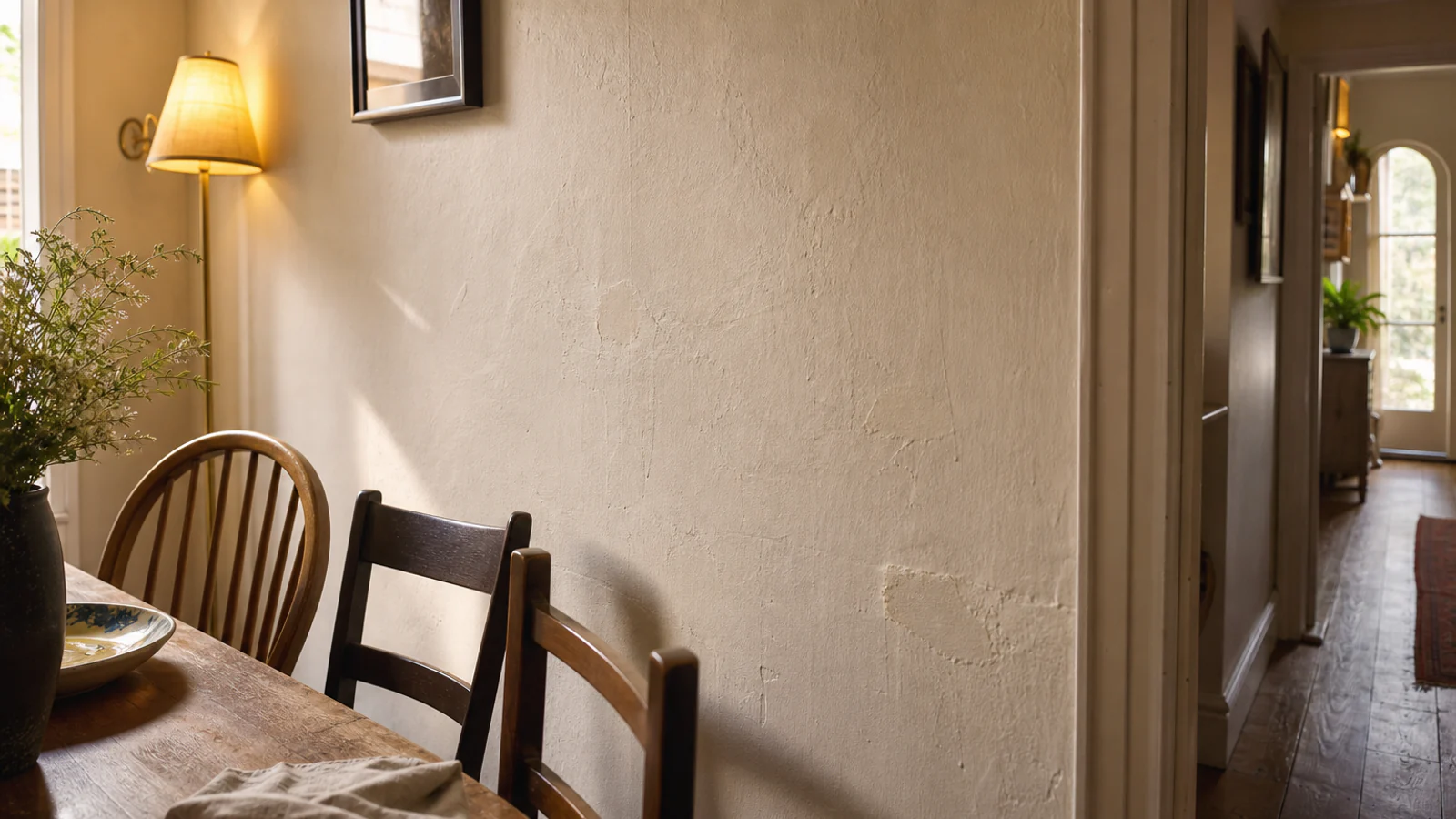
Choose Paint Sheen by the Next Mess, Not the Room Name
Start with the wall’s next mess, least forgiving light and honest cleaning routine, then compare labelled sample boards before buying the full…
Read with usDetails worth noticing
Small relationships. Whole-room difference.
1 / 7
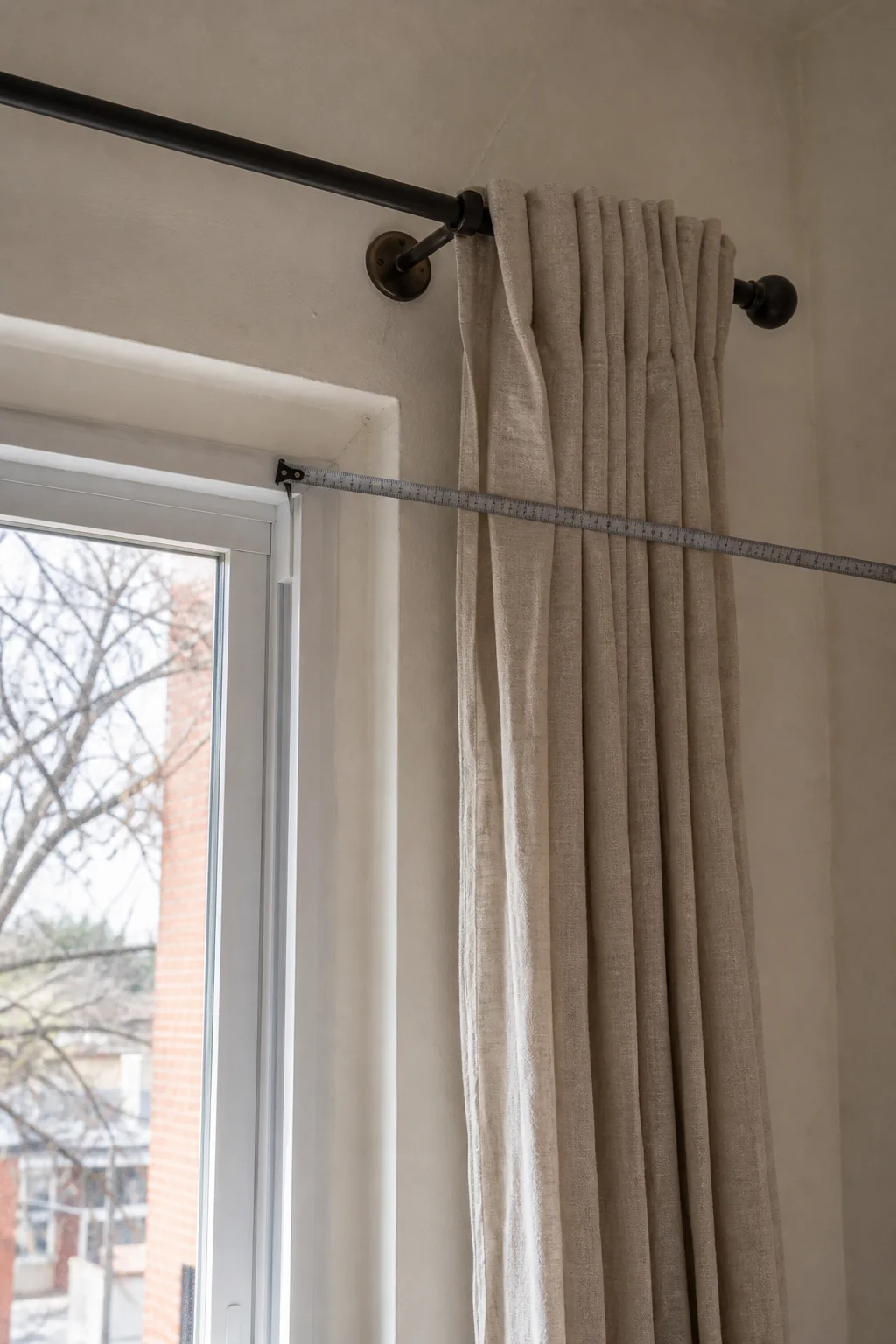
The useful number is often outside the frame, where the curtain can stack without stealing daylight.
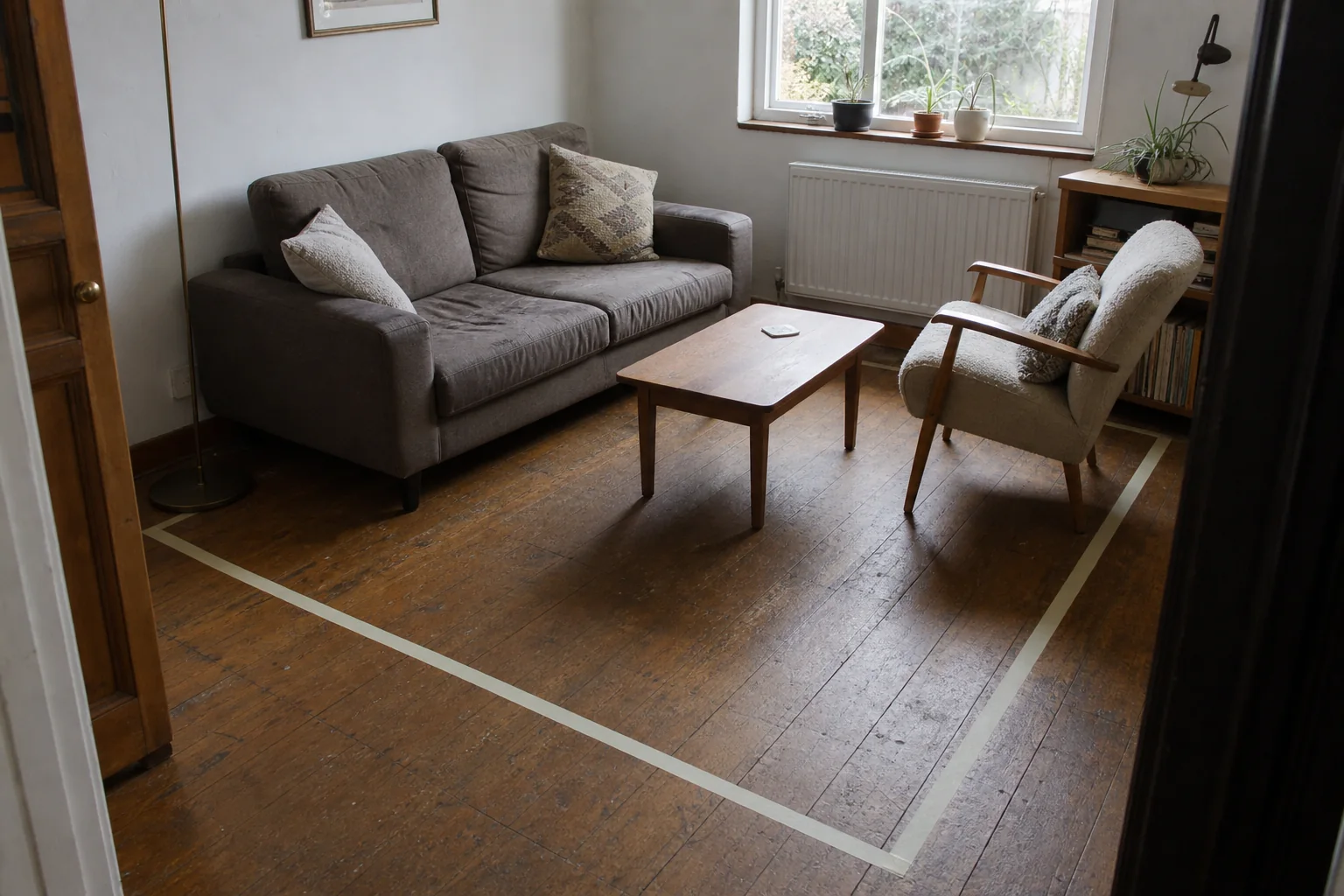
A rug works when it belongs to the seating group, not when it floats between the furniture.
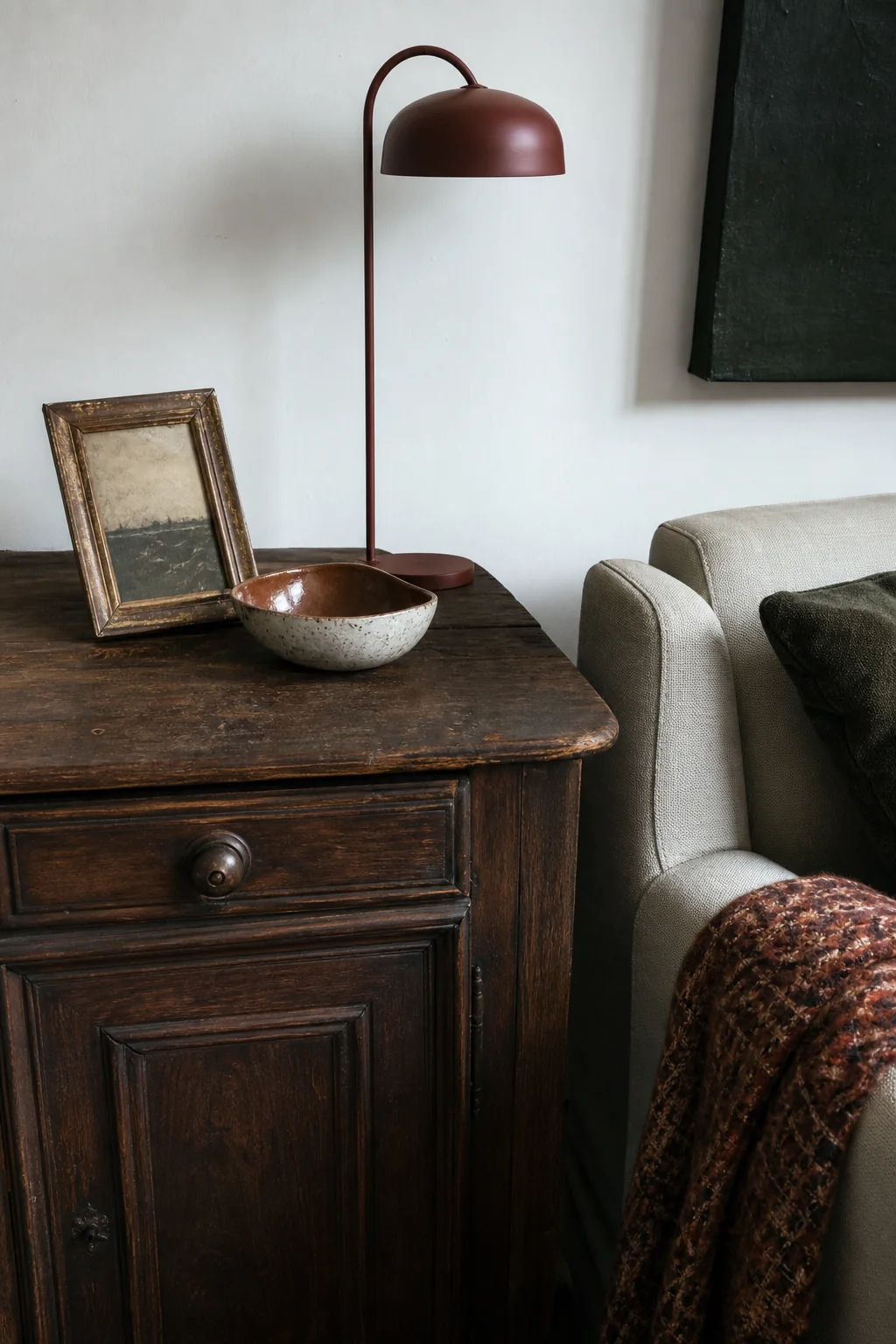
Different eras can share a room when colour, shape, or material gives the eye a clear route.
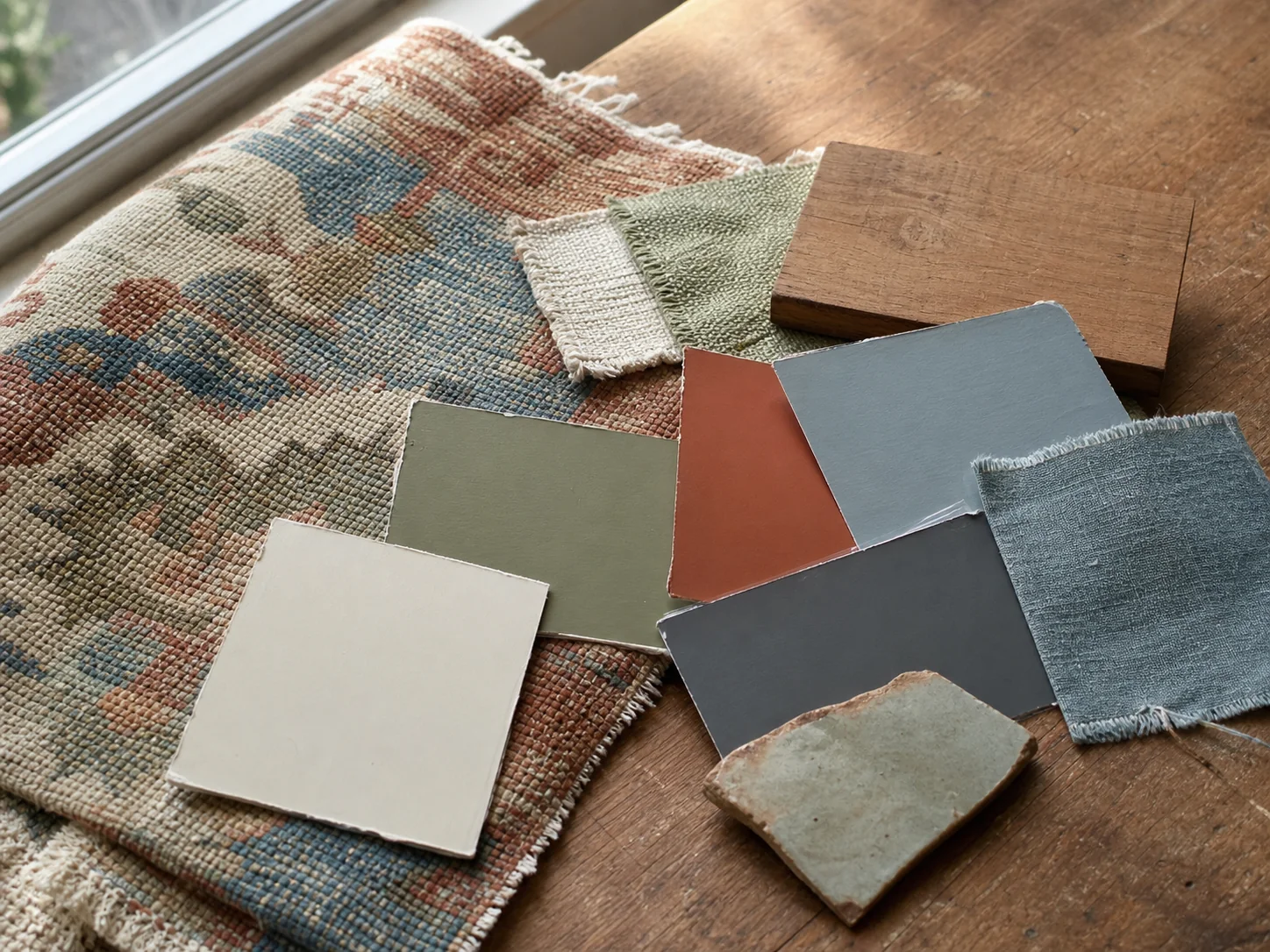
Pull proportion as well as colour: the quiet background may need more space than the brightest accent.
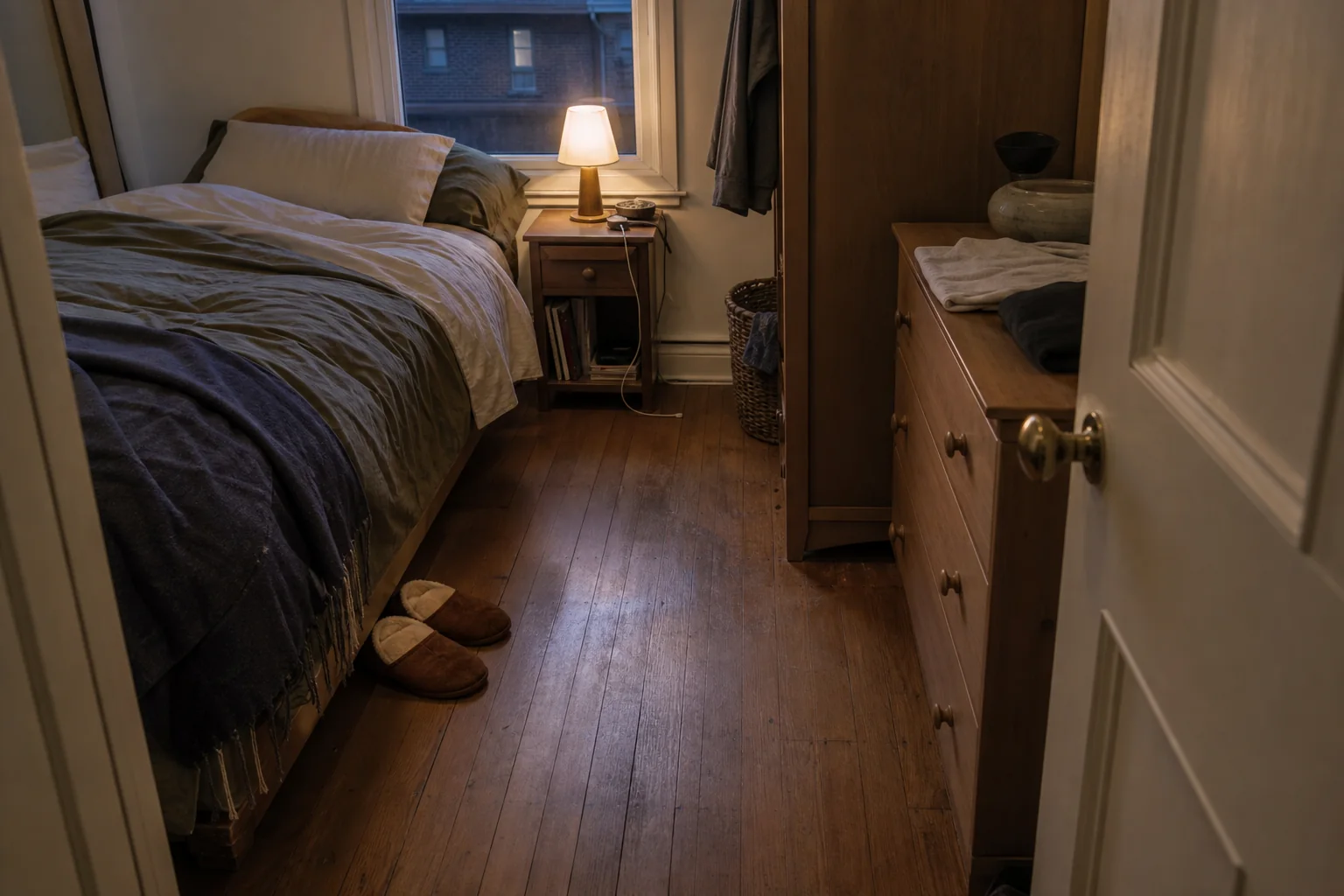
Door swing, drawers, and the path used at night matter more than a perfectly symmetrical plan.
Put the landing place inside the motion that already happens when somebody comes through the door.
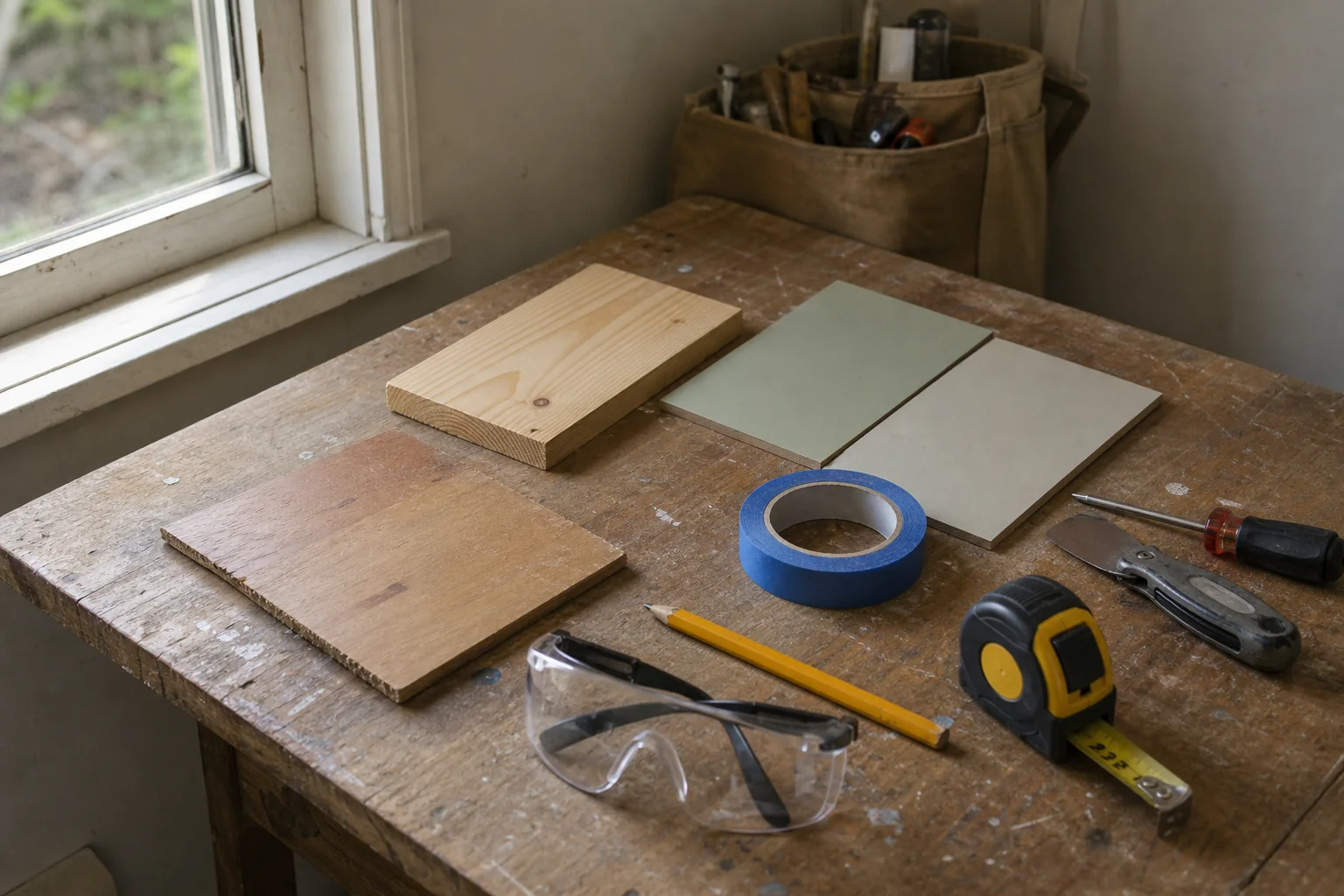
A small sample can reveal scale, finish, clearance, and mess before the whole room is involved.
A note from an ordinary Tuesday
Home is the cup you left by the sink.
It is also the light that finds the table at four o’clock, the keys dropped in the same bowl, and the drawer that never quite closes. We are interested in those details because that is where a room becomes yours.
The goal is not to erase the evidence of living. It is to make living there feel better.
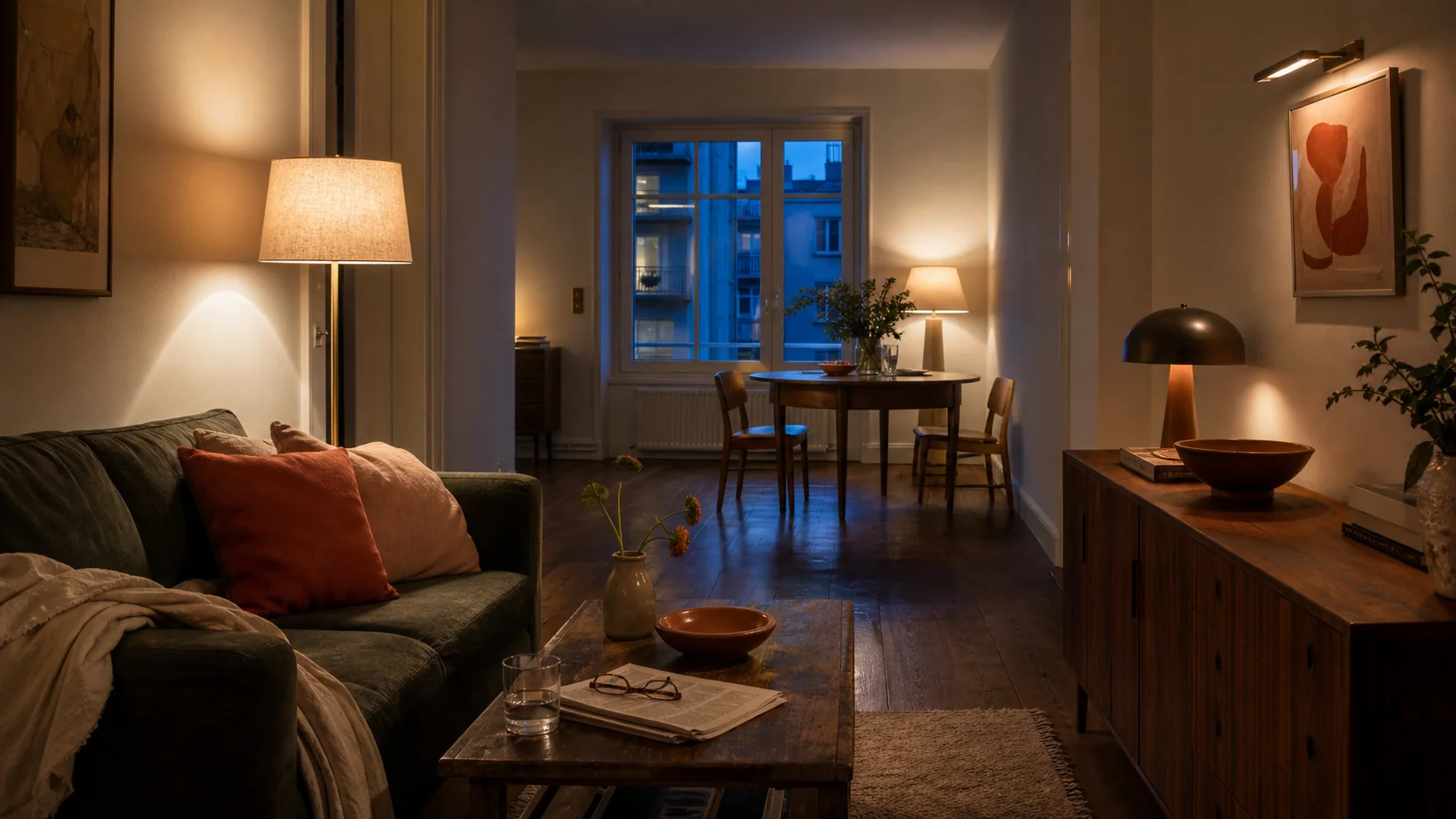
The useful edit
Before you shop, reset the relationships.
A good room is usually a set of relationships—not a collection of new things. Take fifteen minutes and test the foundations first.
- 01Walk the route.
Move the one object that makes the natural path bend, squeeze, or stop.
- 02Lower the light.
Add light at sitting, working, and display height so the room gains depth.
- 03Clear one pause.
Give a surface or shelf enough breathing room to become a visual resting place.
- 04Repeat one detail.
Echo a colour, material, or shape three times so the room feels connected.
A closer look
See the idea. Keep the reasoning.
Each photographic note makes one practical relationship visible. The linked guide adds the measurements, trade-offs, alternatives, and next move.
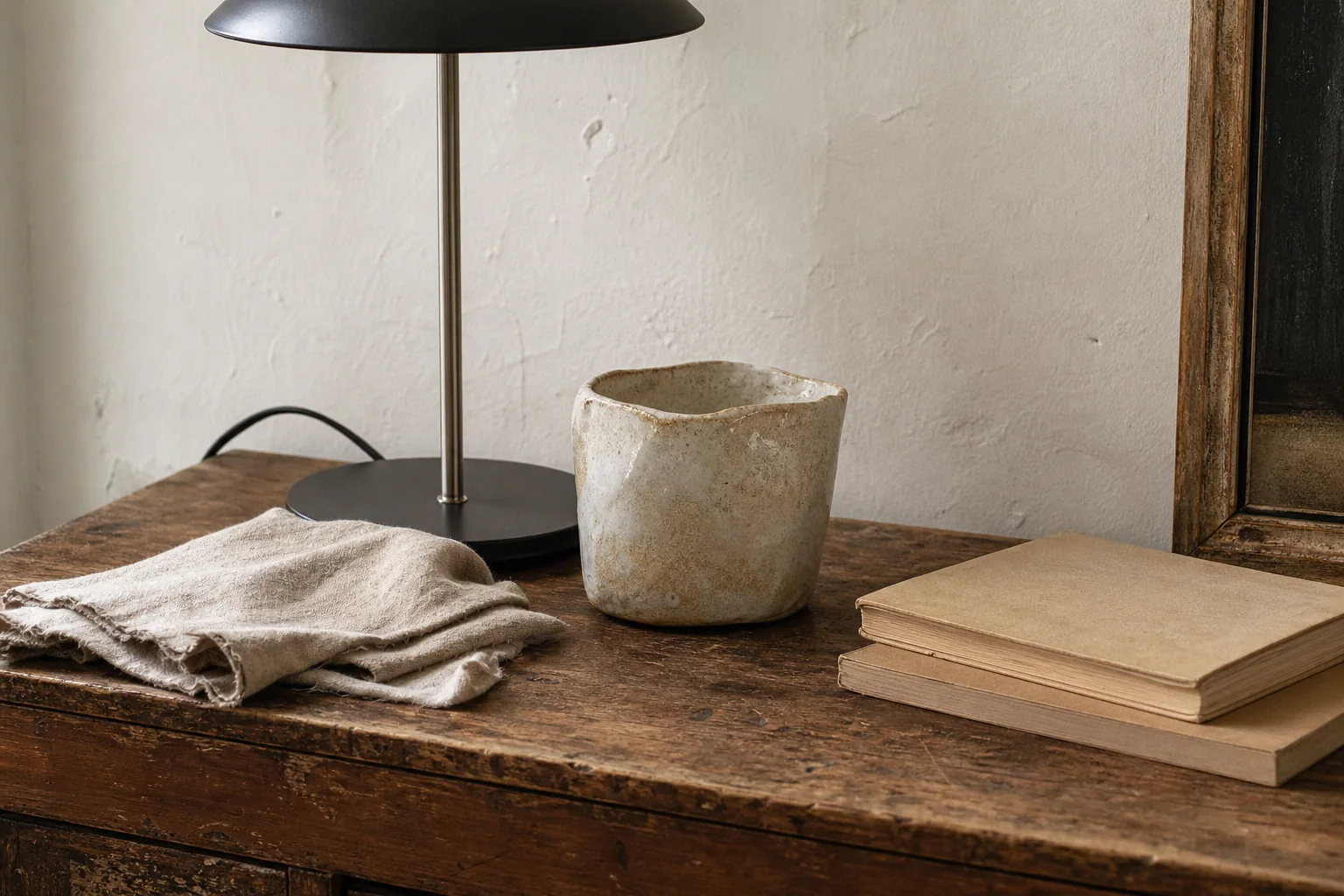
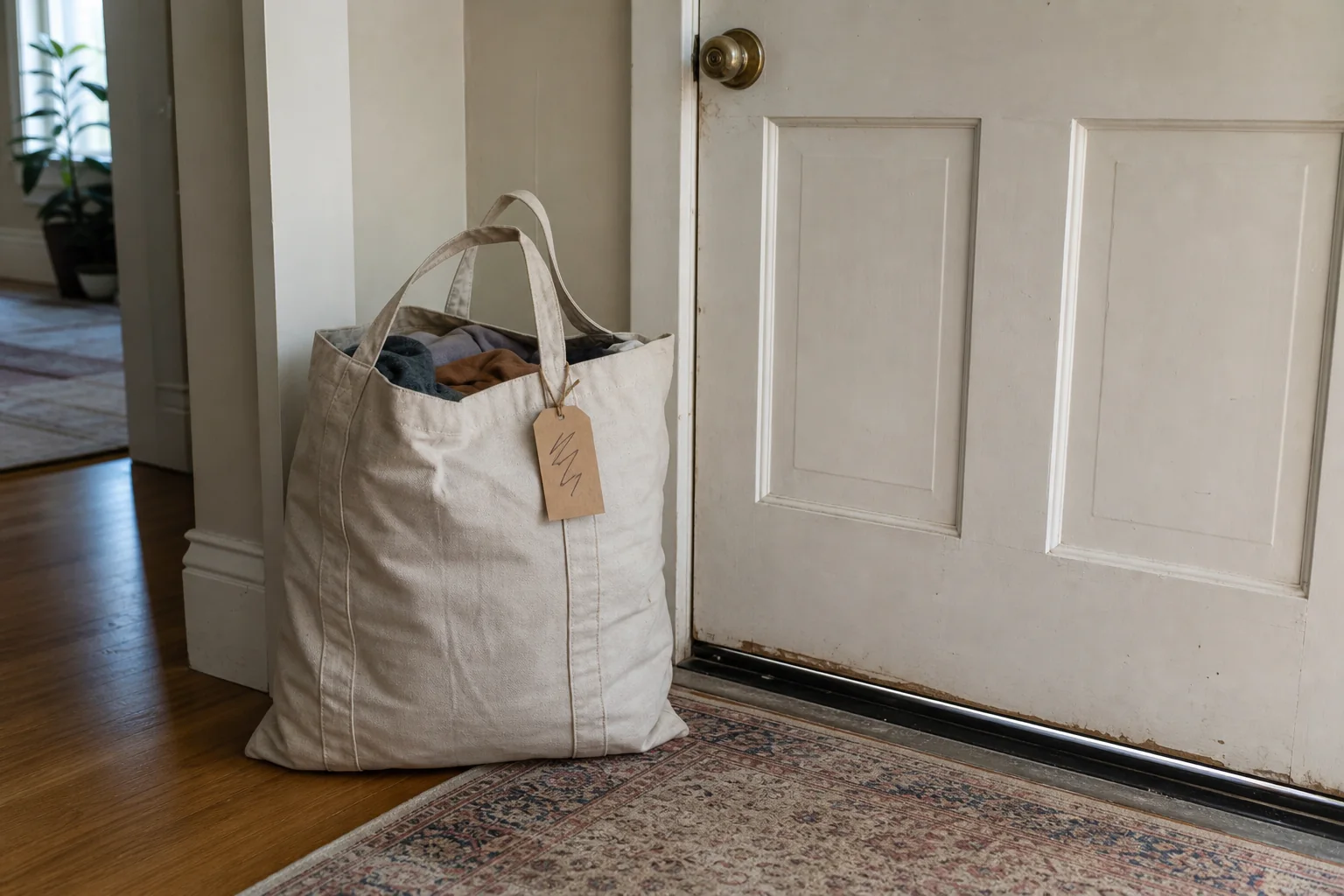
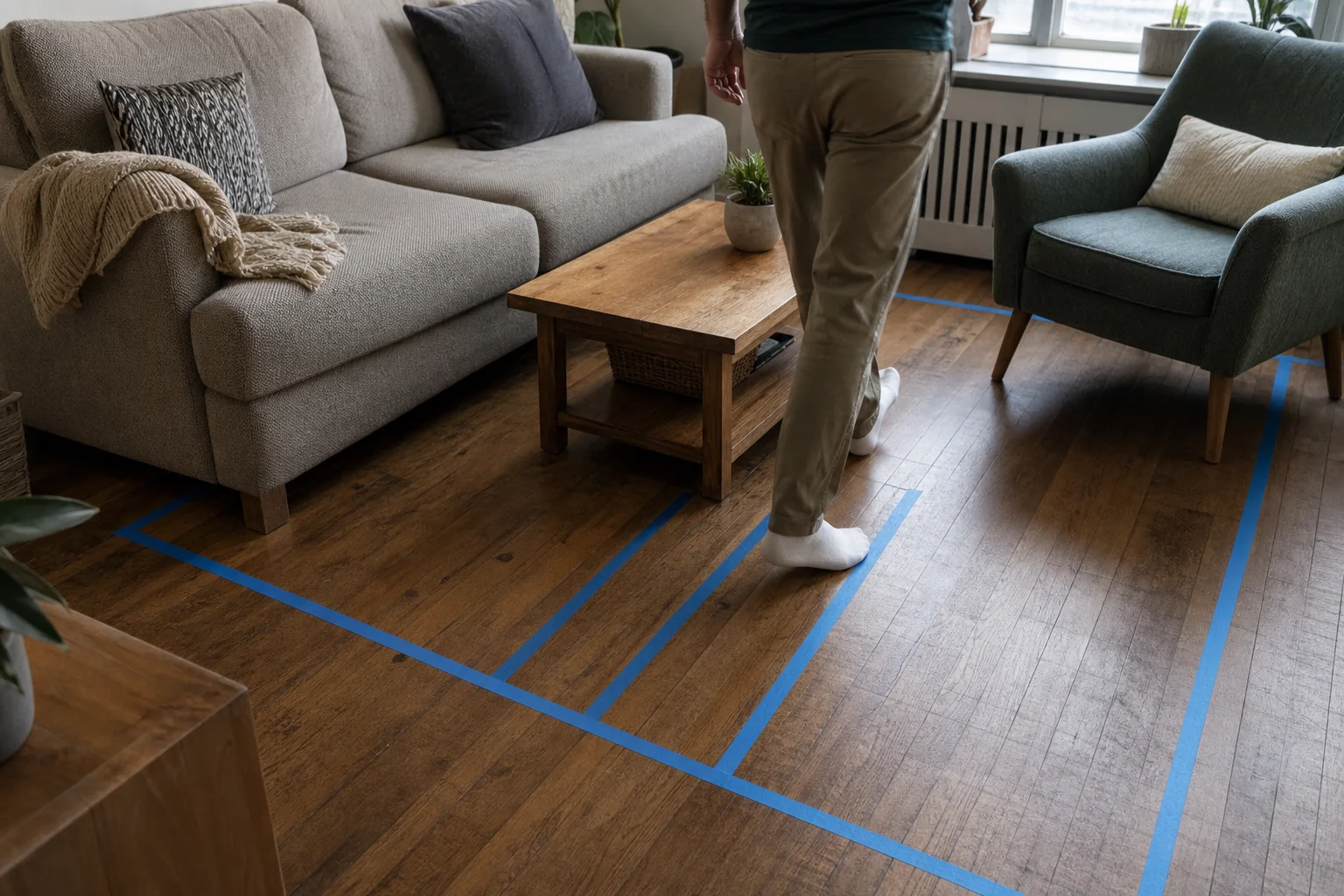
What does your room need from you?
Choose the feeling you want more of.
Some days call for a clear route and a tape measure. Others need softer light or one lovely thing brought forward. Begin with the change that would feel kindest today.
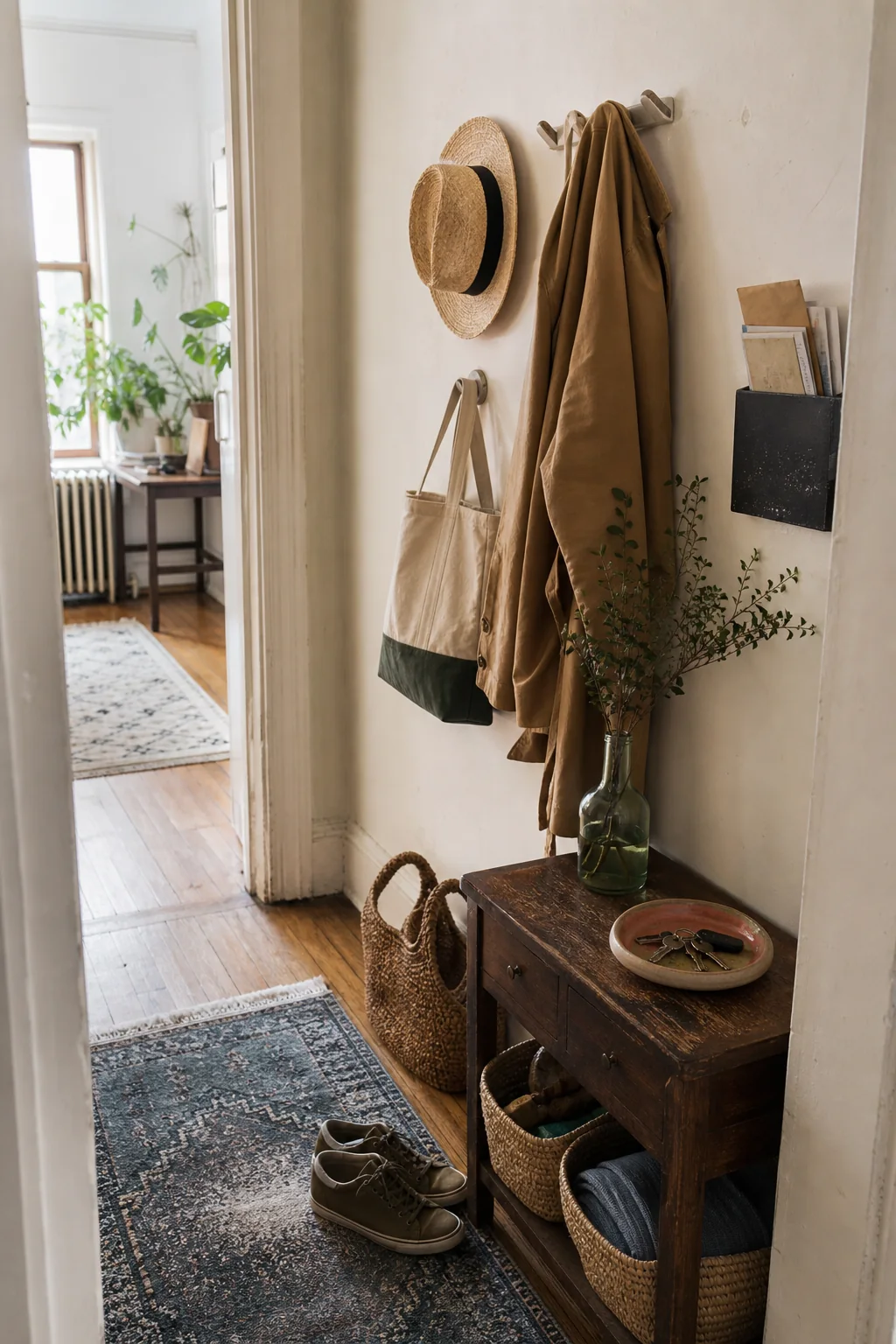
Breathe easierClear a route, open the room and make everyday order feel lighter.Come this way →
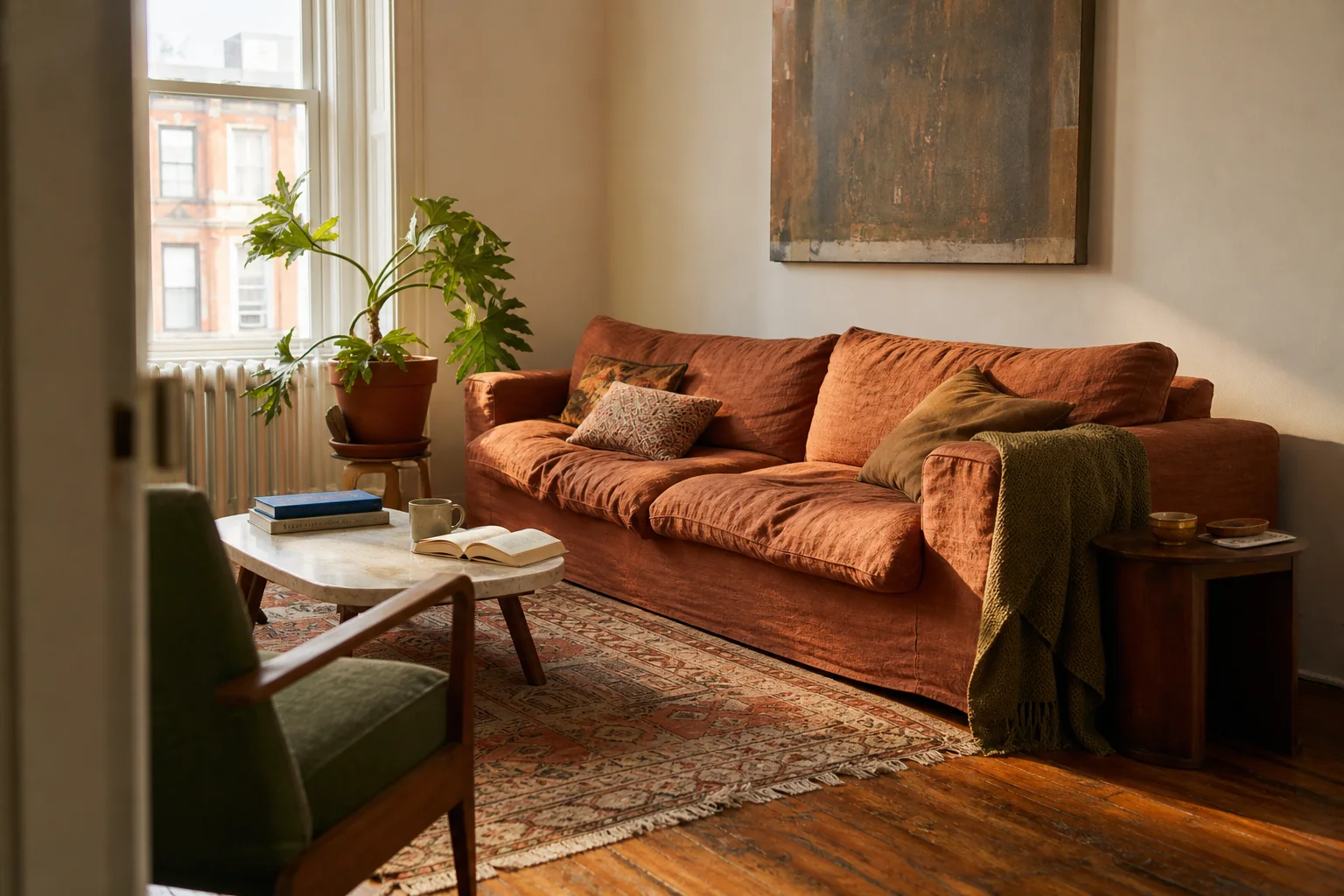
Find your point of viewNotice the colours, shapes and eras that make you want to look twice.Come this way →
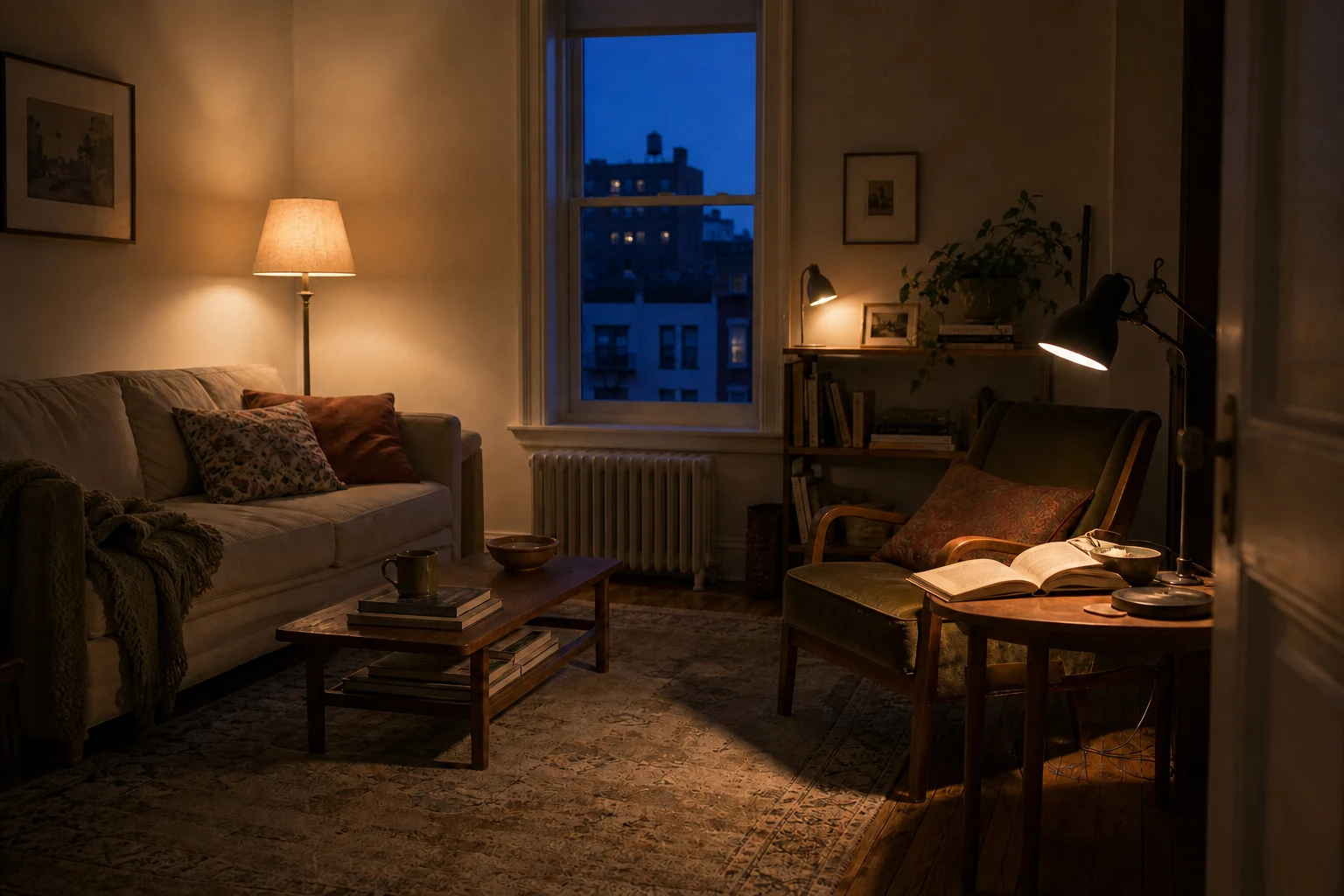
Make evenings glowBuild warmth with pools of light, softer contrast and a slower mood.Come this way →
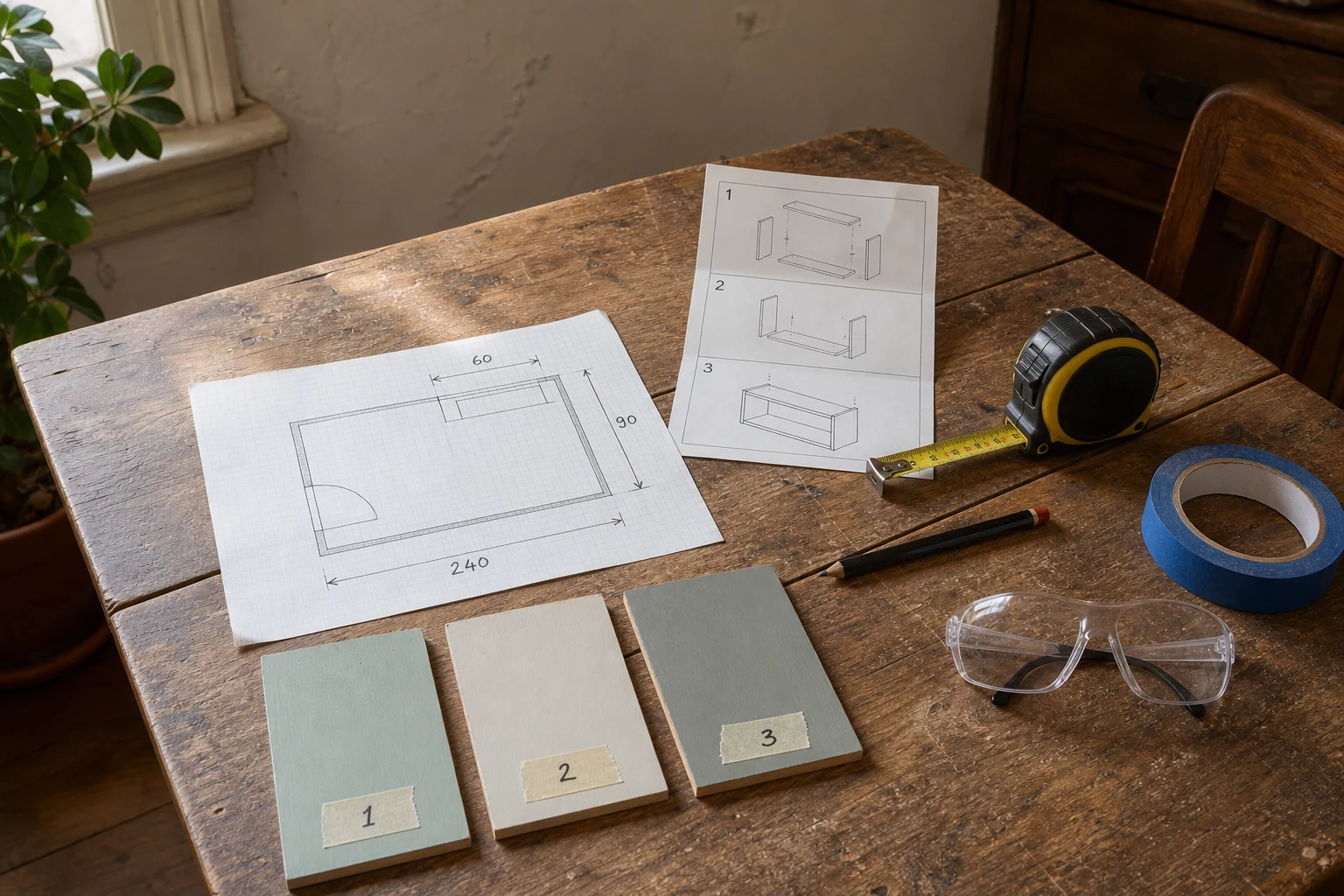
Get practicalMeasure, test and make the next useful change with confidence.Come this way →
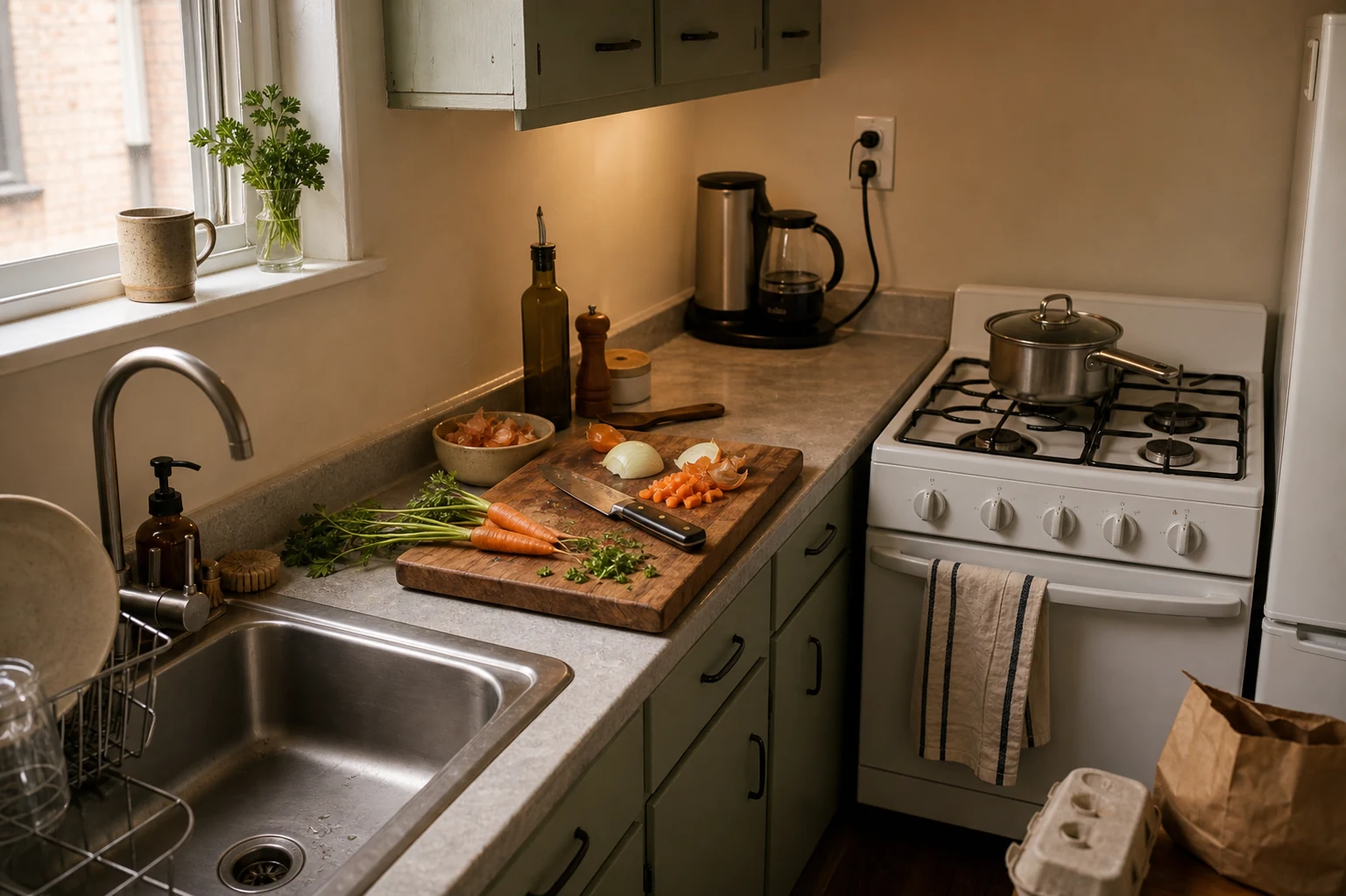
Find an easier rhythmShape the room around real habits so daily routines flow naturally.Come this way →
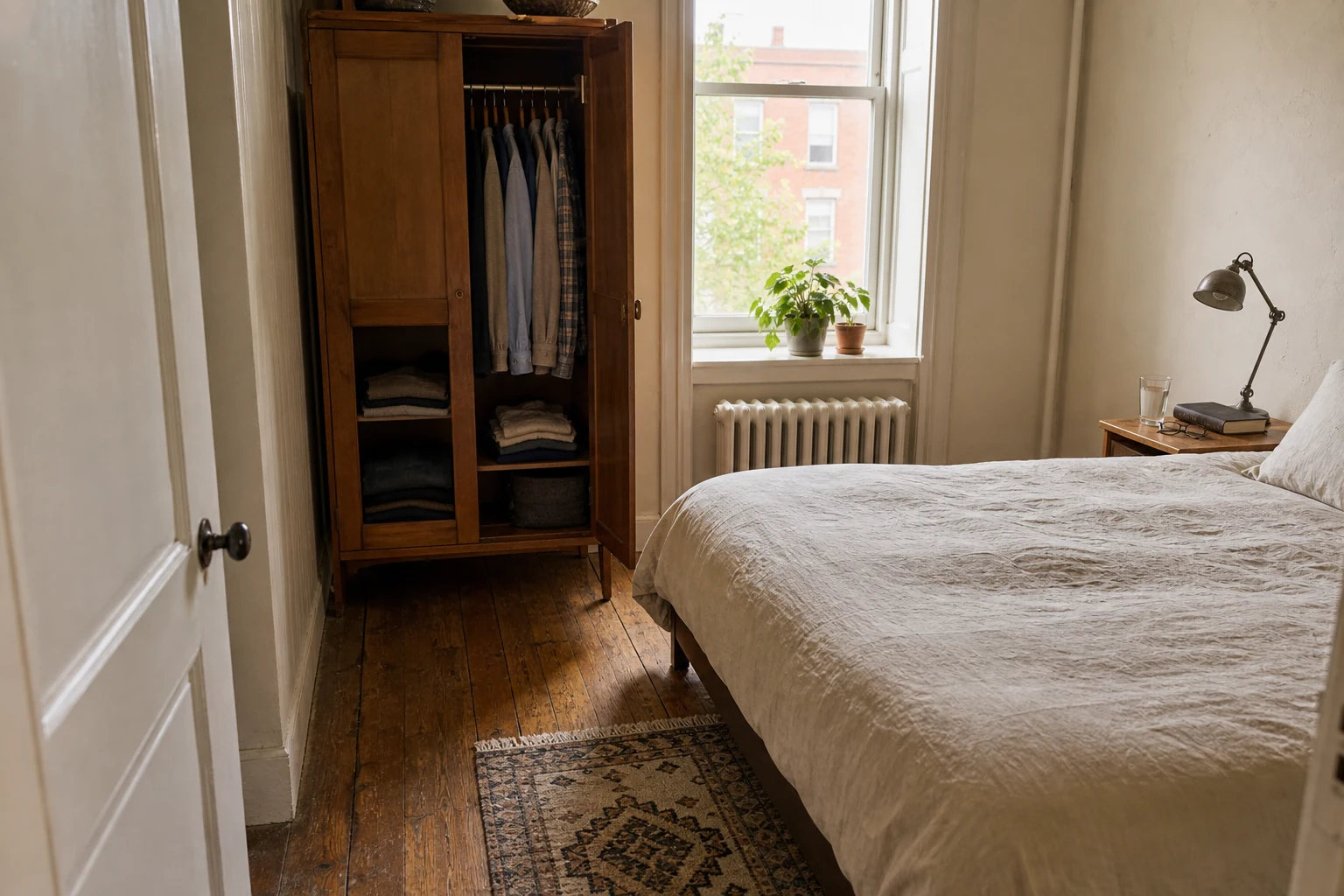
Create a quieter retreatProtect breathing room, softer edges and the calm you want to come home to.Come this way →
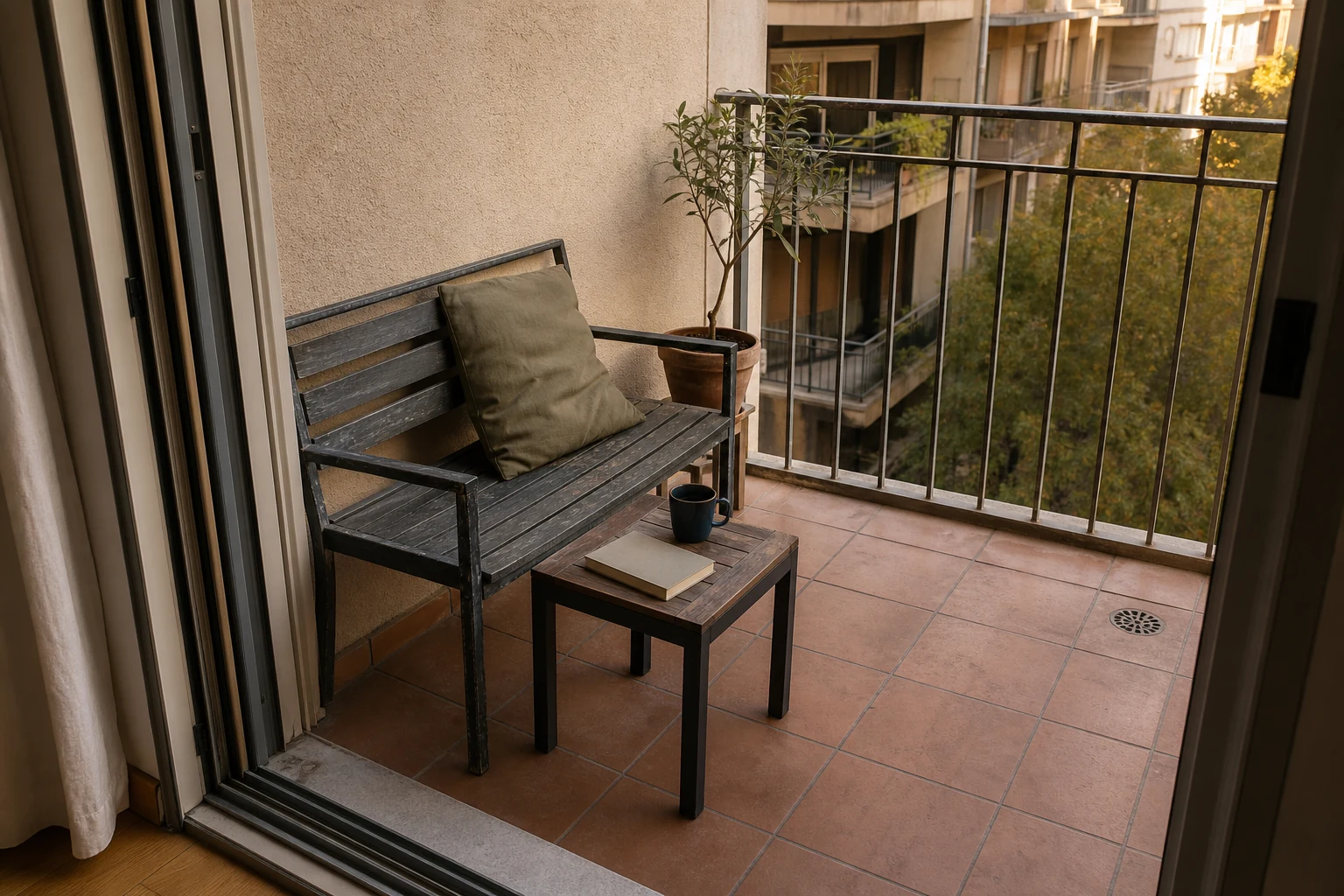
Open the doorTurn even a small outdoor edge into a place worth lingering.Come this way →
You can change your mind halfway through. Homes do.
Build a tiny plan
What can change before the kettle boils?
Choose the friction and the time you genuinely have. The plan stays deliberately small so the room remains usable when the timer ends.
Your 10-minute reset
Open one route through the room.
- Walk the route you use most.
- Move the single object that makes it bend or squeeze.
- Stop and test the route again.
Find the useful next read
Start with your room, not a trend.
Choose the pressure point, the time you actually have, and how much change feels sensible. Every result is a complete published guide.
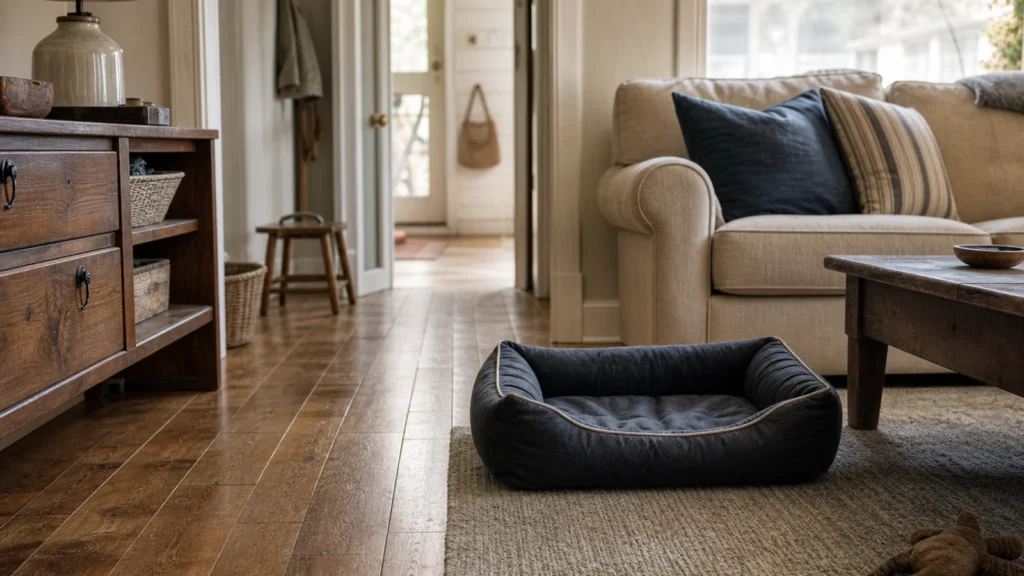
Build a Pet-Friendly Living Room From Floor Level Up
Watch one ordinary evening from floor level before choosing the bed, rug, sofa cover or decorative pet station.
Read the complete guide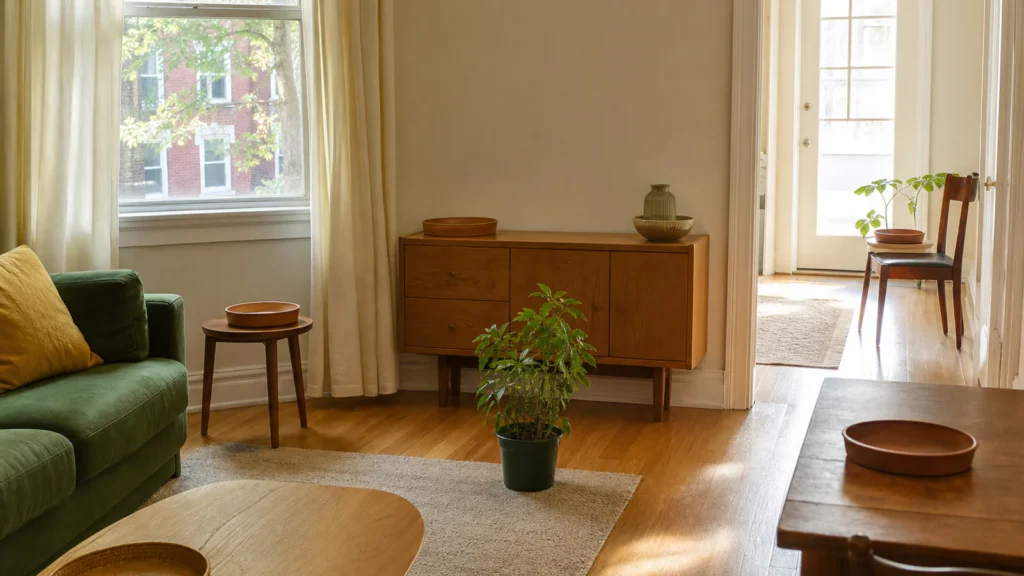
Place Houseplants From a Seven-Day Light Map
A styled corner is one frozen moment. This field guide maps how three candidate positions change through an ordinary week before a plant moves.
Read the complete guide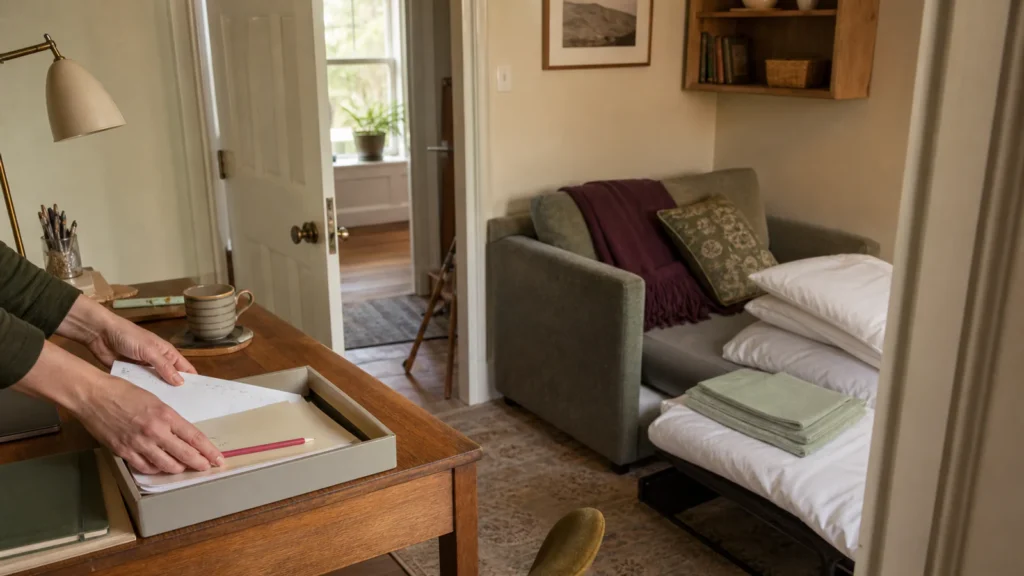
Make a Guest Room Work When Nobody Is Staying
Give the room one honest daily job, define exactly how that job closes, and reserve the route and storage a visitor will genuinely use.
Read the complete guide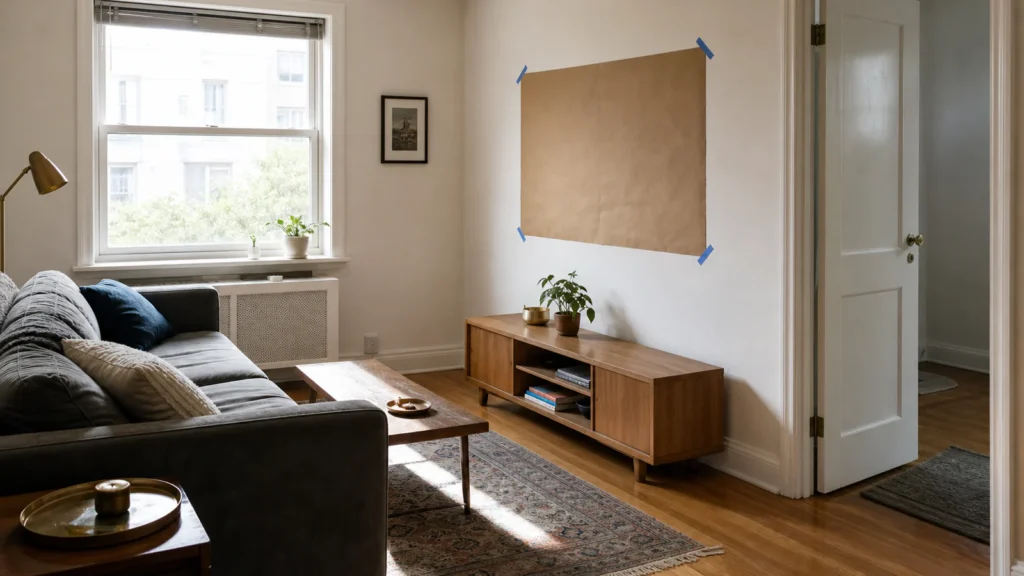
Place the TV by Testing the Brightest Hour and the Busiest Route
A useful TV wall begins with the room at its brightest, the seat people actually use and the route that crosses it.
Read the complete guide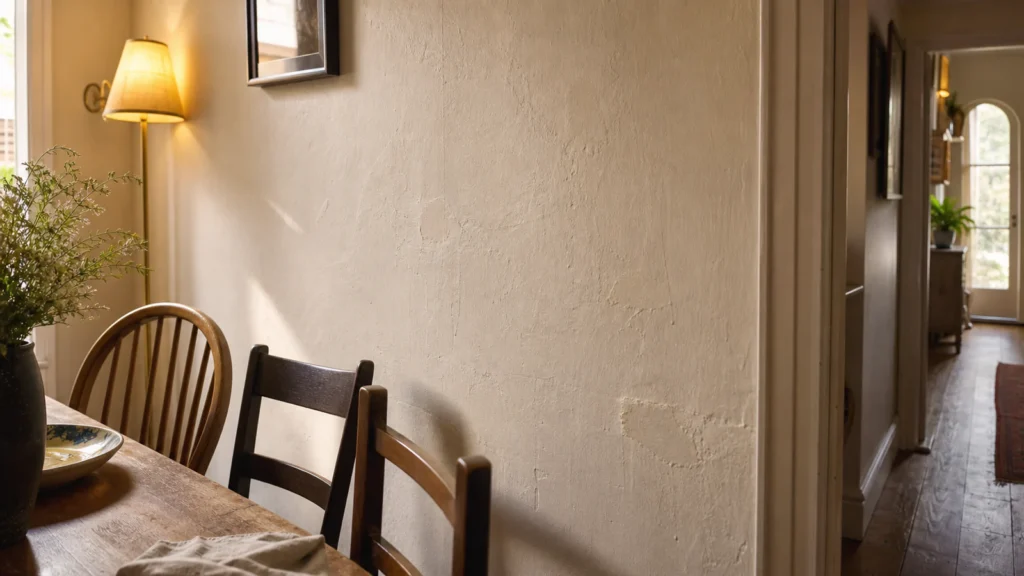
Choose Paint Sheen by the Next Mess, Not the Room Name
Start with the wall's next mess, least forgiving light and honest cleaning routine, then compare labelled sample boards before buying the full quantity.
Read the complete guide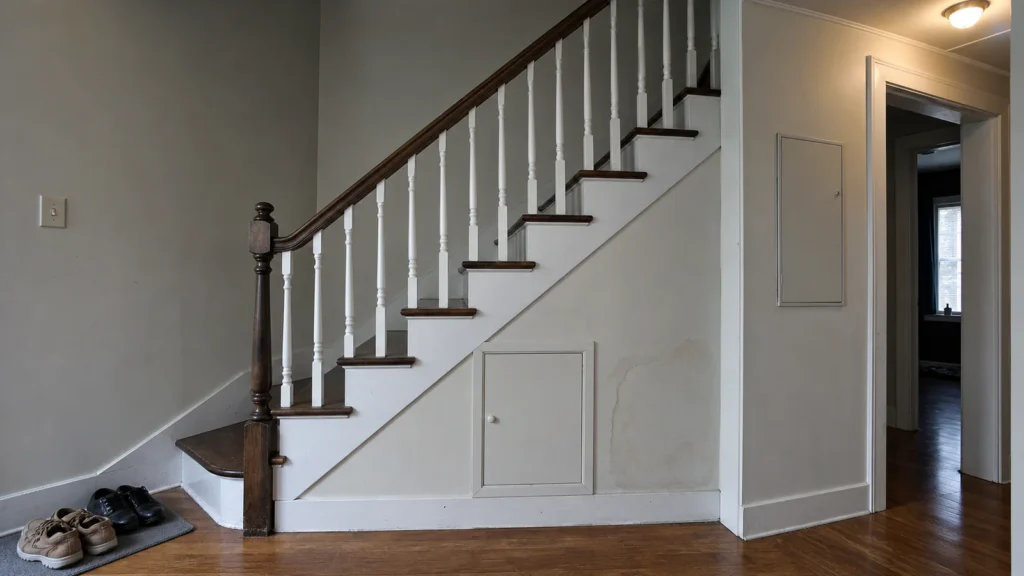
Before the Clever Cupboard, Survey the Space Under Your Stairs
A no-design field survey that separates what you can observe, what must stop the project and what needs property-specific verification before any cabinet is drawn.
Read the complete guide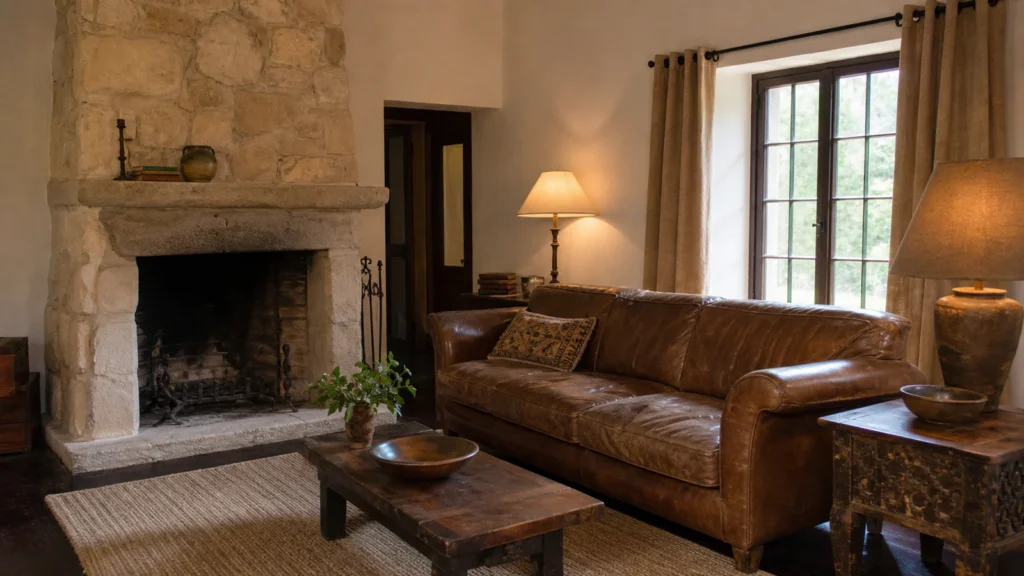
Keep the Terracotta, Lose the Theme: Update a 2000s Tuscan Room
A keep, reveal, quiet, replace edit for warm early-2000s rooms that need less repetition—not a coat of white over every material.
Read the complete guide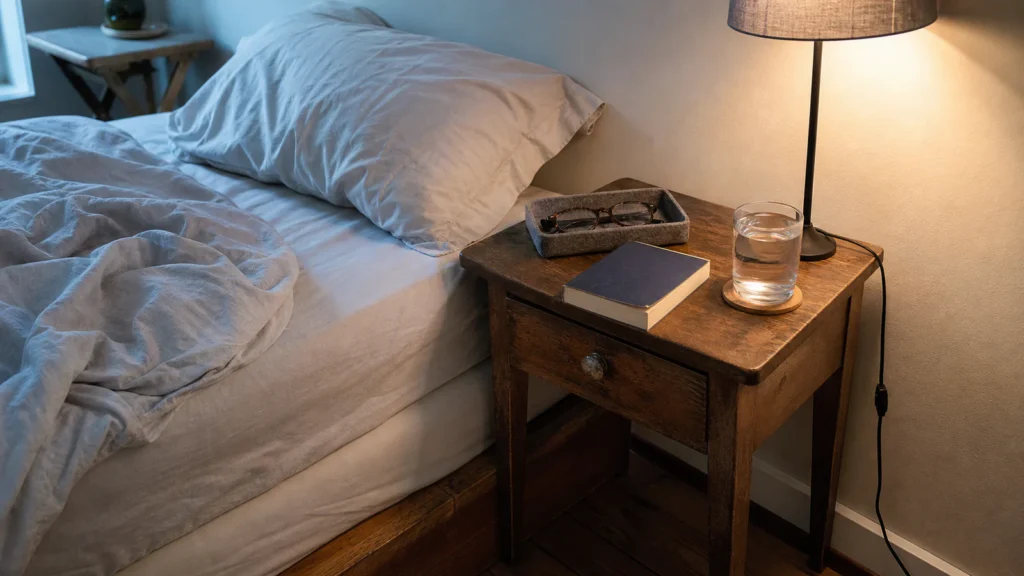
Design the Nightstand Backward from Lights-Out
Run the final five minutes of the night in reverse, then size the bedside surface from what your hand, equipment and first morning step actually need.
Read the complete guide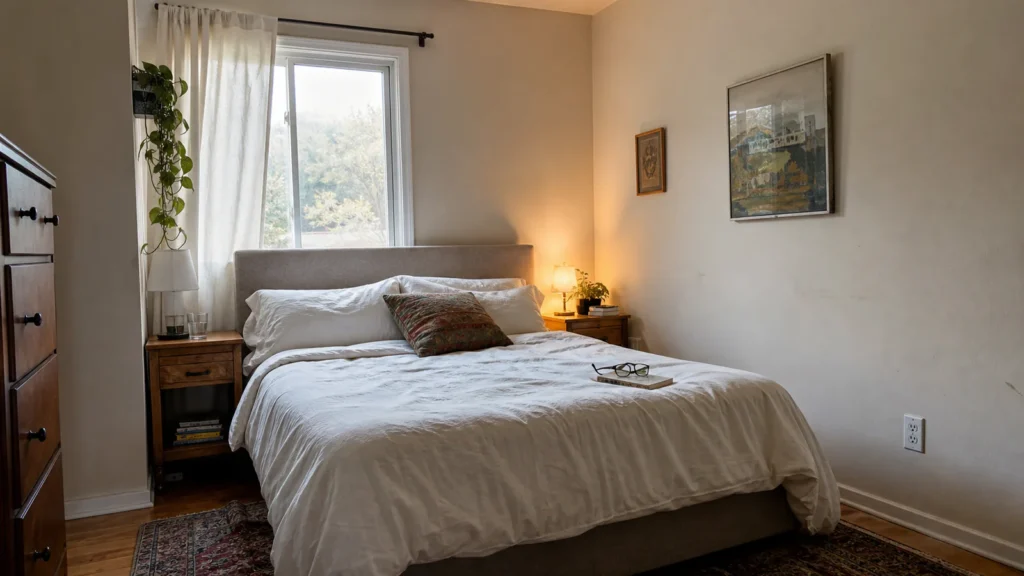
The Headboard Fit Passport: Wall, Bed, Pillows, Cleaning
A four-interface fitting method that helps you reject the wrong headboard before it clips a curtain, disappears behind pillows or creates an impossible cleaning strip.
Read the complete guide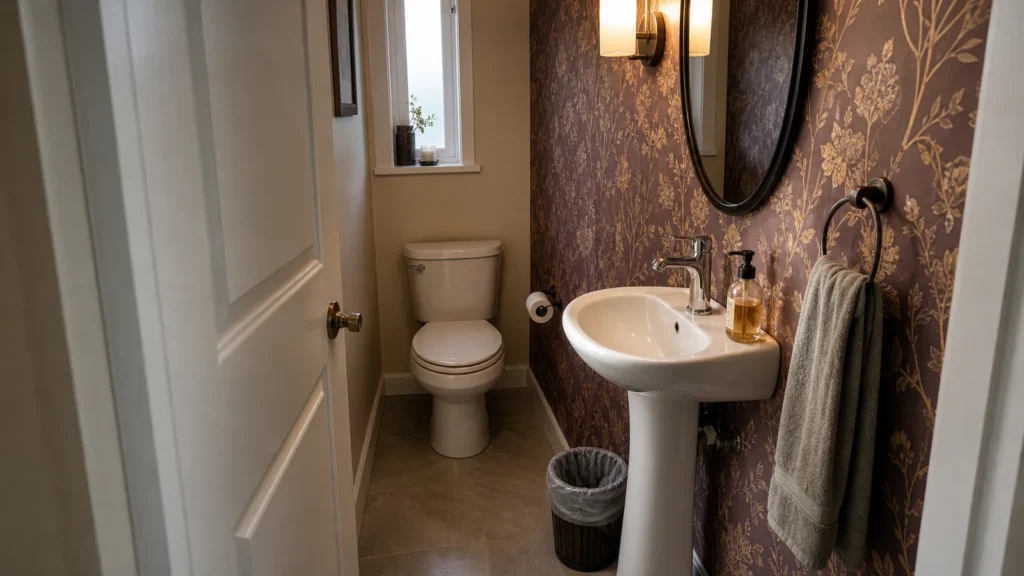
A Powder Room That Explains Itself in Ninety Seconds
Follow an unfamiliar guest from door to sink to towel and back out, then give one surface permission to be bold.
Read the complete guide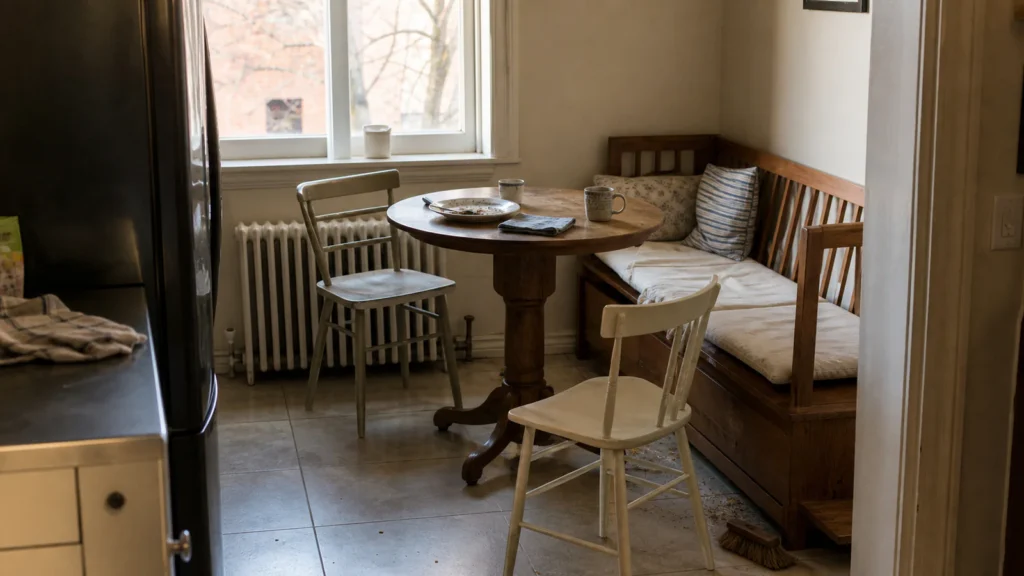
Before You Build the Bench, Rehearse Three Breakfasts
A breakfast nook is a moving event, not an empty photograph. Rehearse a rushed morning, a shared meal and cleanup before choosing its furniture.
Read the complete guide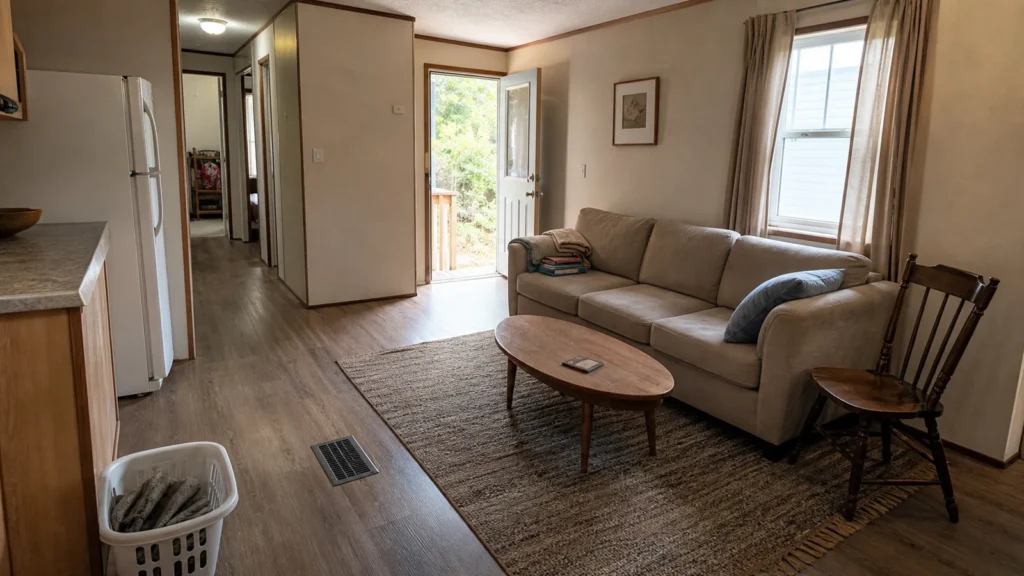
Before the Sofa Arrives: Furnish a Single-Wide Around Its Fixed Lanes
A furniture-first field guide for mapping delivery turns, daily routes, moving parts and maintenance access before a large piece enters a compact manufactured home.
Read the complete guide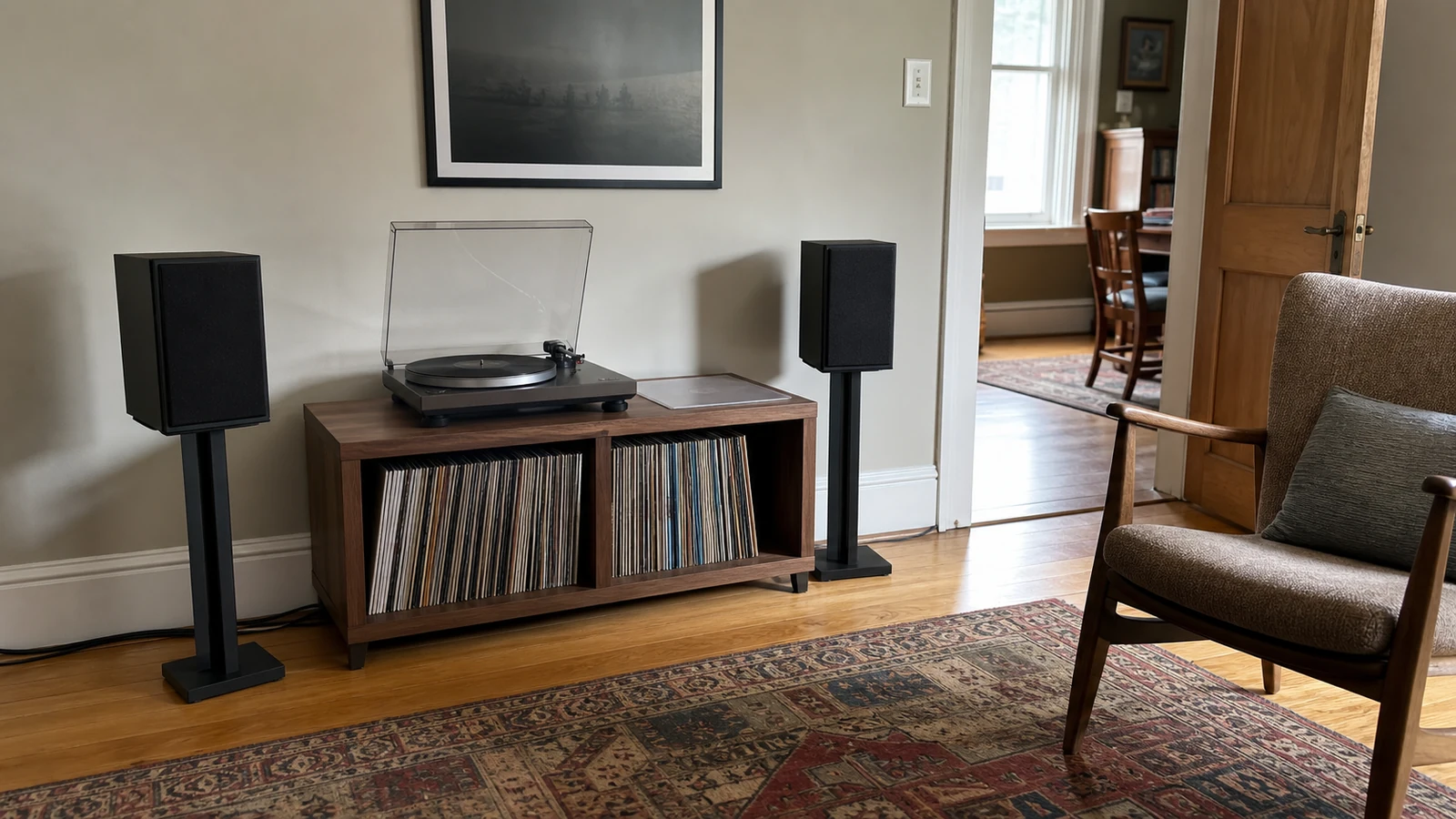
One Album, One Route: Plan a Record-Player Corner That Works
A one-album room plan that starts with the exact signal path and ends with stable furniture, supported records and serviceable cables.
Read the complete guide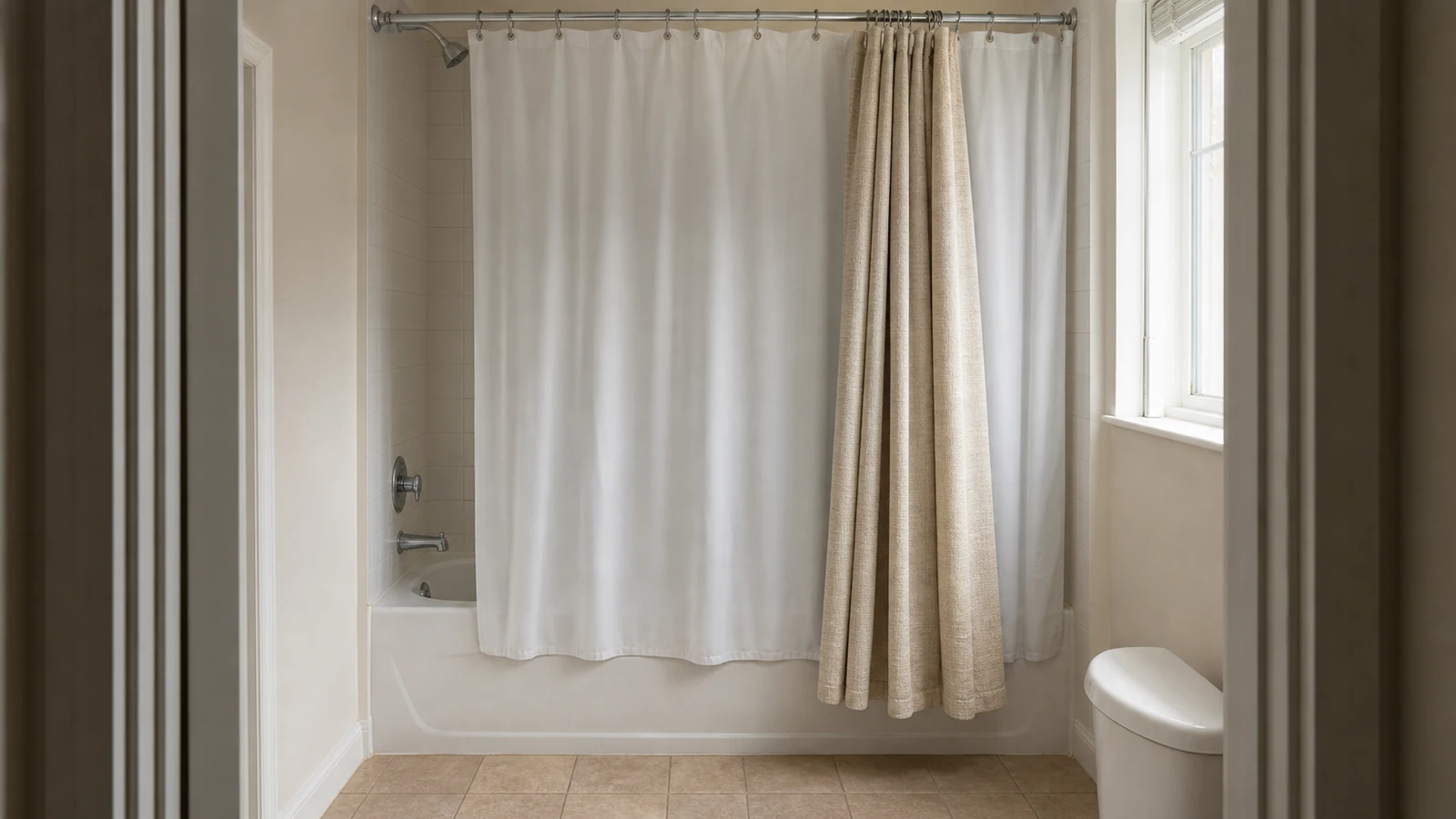
Measure a Shower Curtain by Following the Water
A five-measurement wet-boundary guide for choosing a shower curtain that closes, contains water and has a credible drying position.
Read the complete guide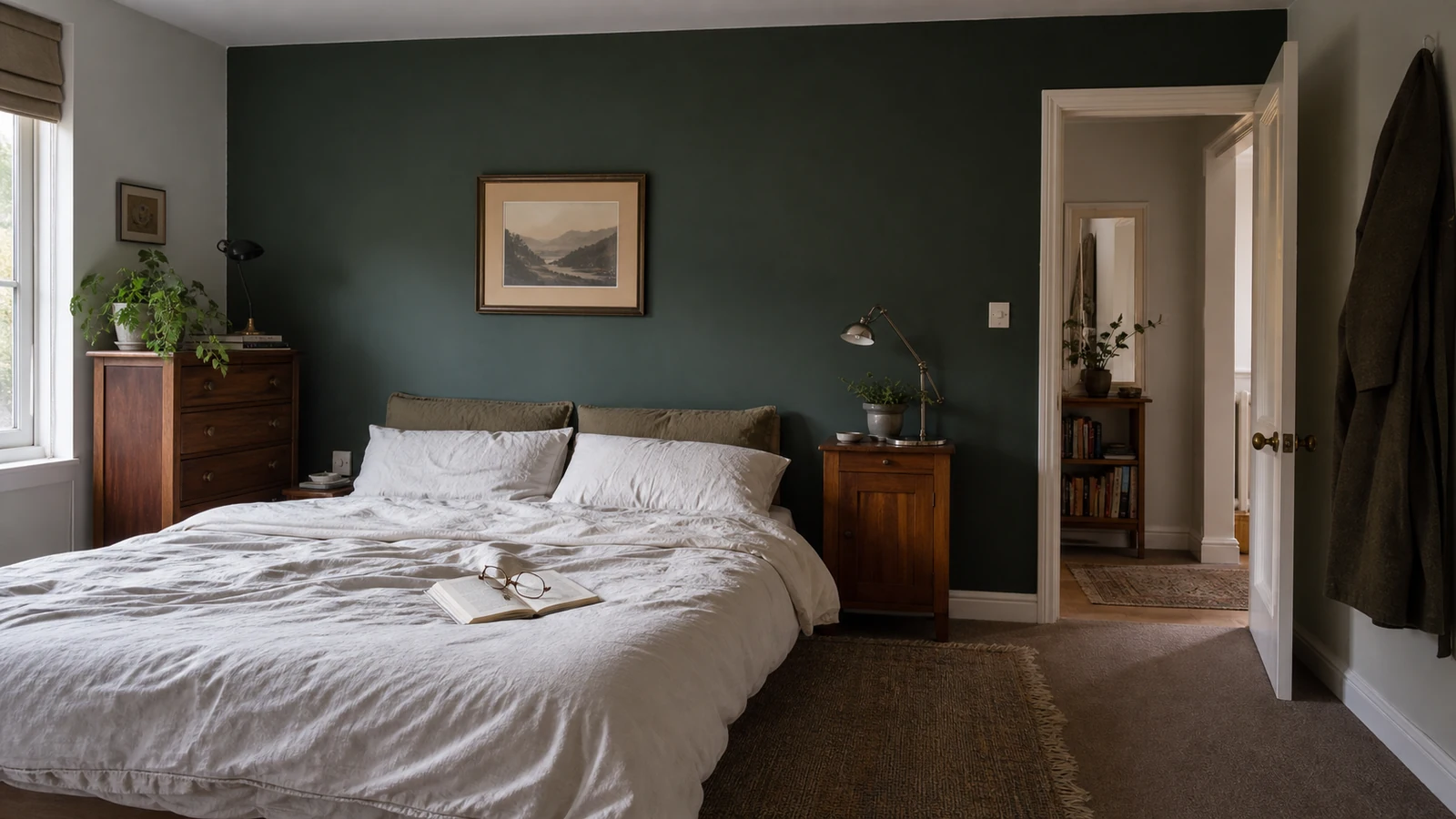
Four Lights, One Room: Make a Moody Bedroom Work All Day
A four-light diary for building a deep, atmospheric bedroom that still supports dressing, reading, cleaning and safe movement.
Read the complete guide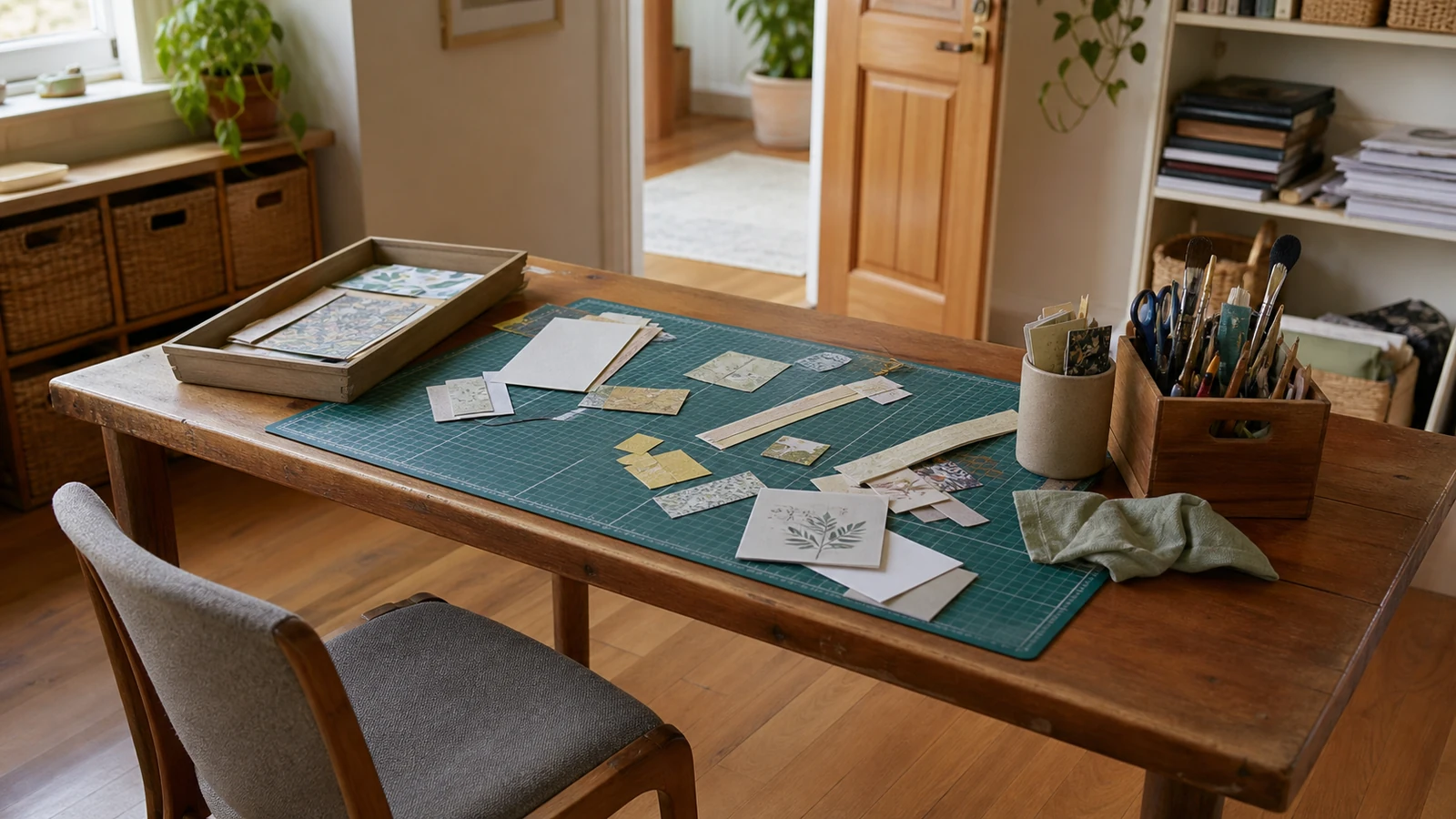
The Craft Room Built Around One Project’s Full Life
A project-state craft-room plan for makers who need work to start, pause, restart and clear away without losing the thread.
Read the complete guide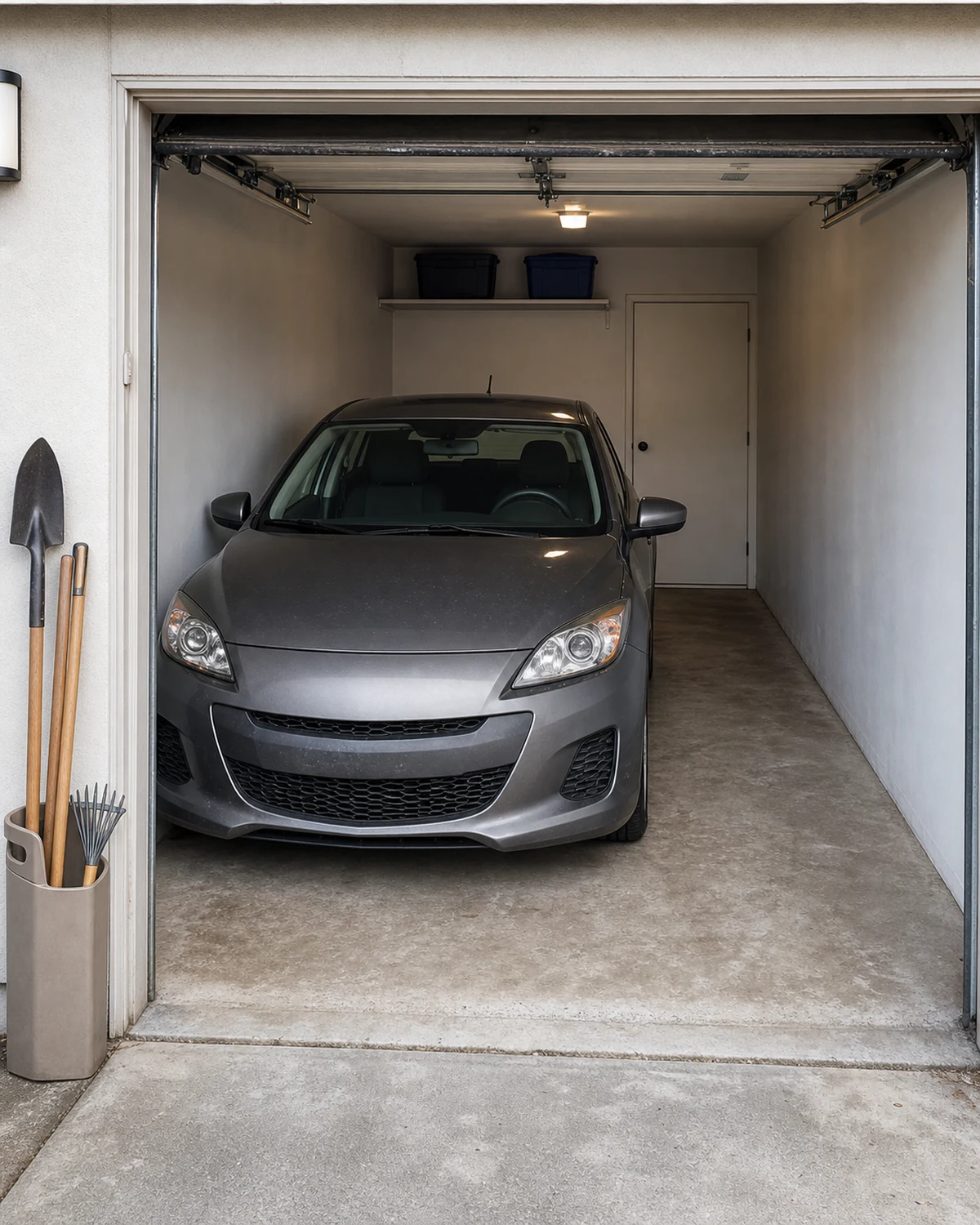
Organise the Garage Around the Parking Envelope First
Mark everything that moves or must stay reachable, then give storage only the verified space left outside the parking envelope.
Read the complete guide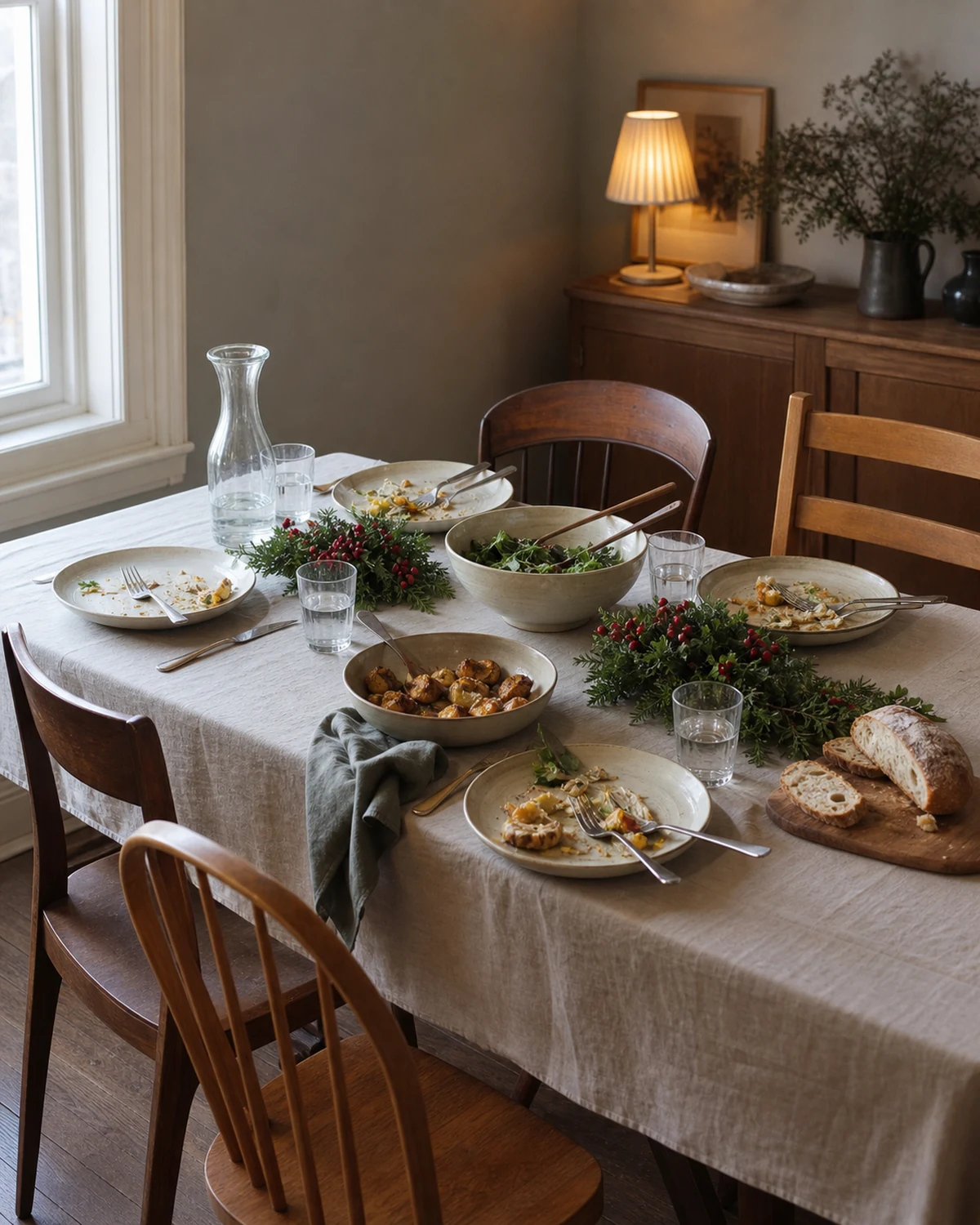
A Beautiful Holiday Table With Room for Dinner
Find the honest decorating budget left after guests, plates and serving pieces, then rehearse arrival, dinner and clearing.
Read the complete guide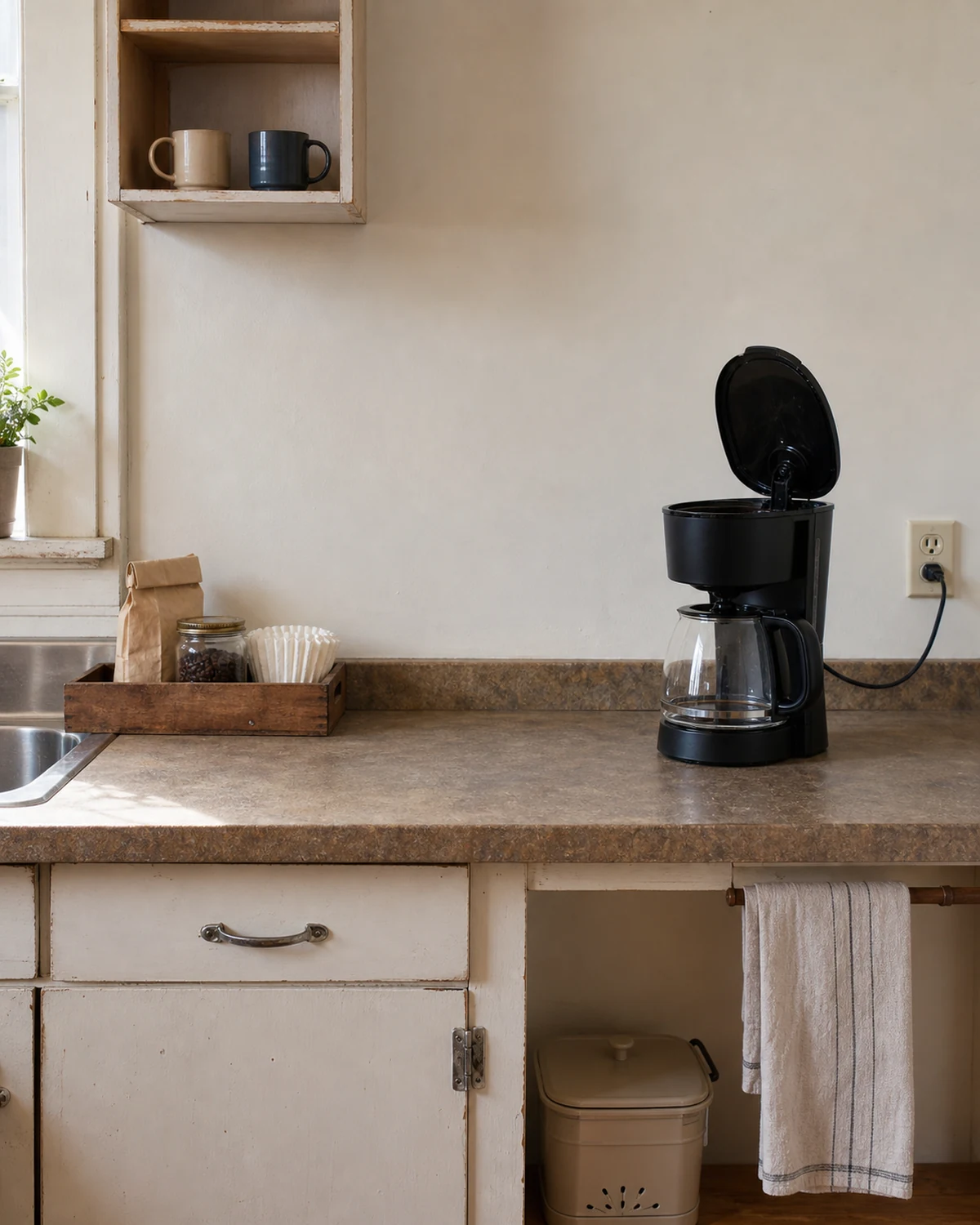
Build a Coffee Station Around Refill and Cleanup
Follow one ordinary drink from water to wipe-down, then give the machine, daily supplies, refills and mess an honest place.
Read the complete guide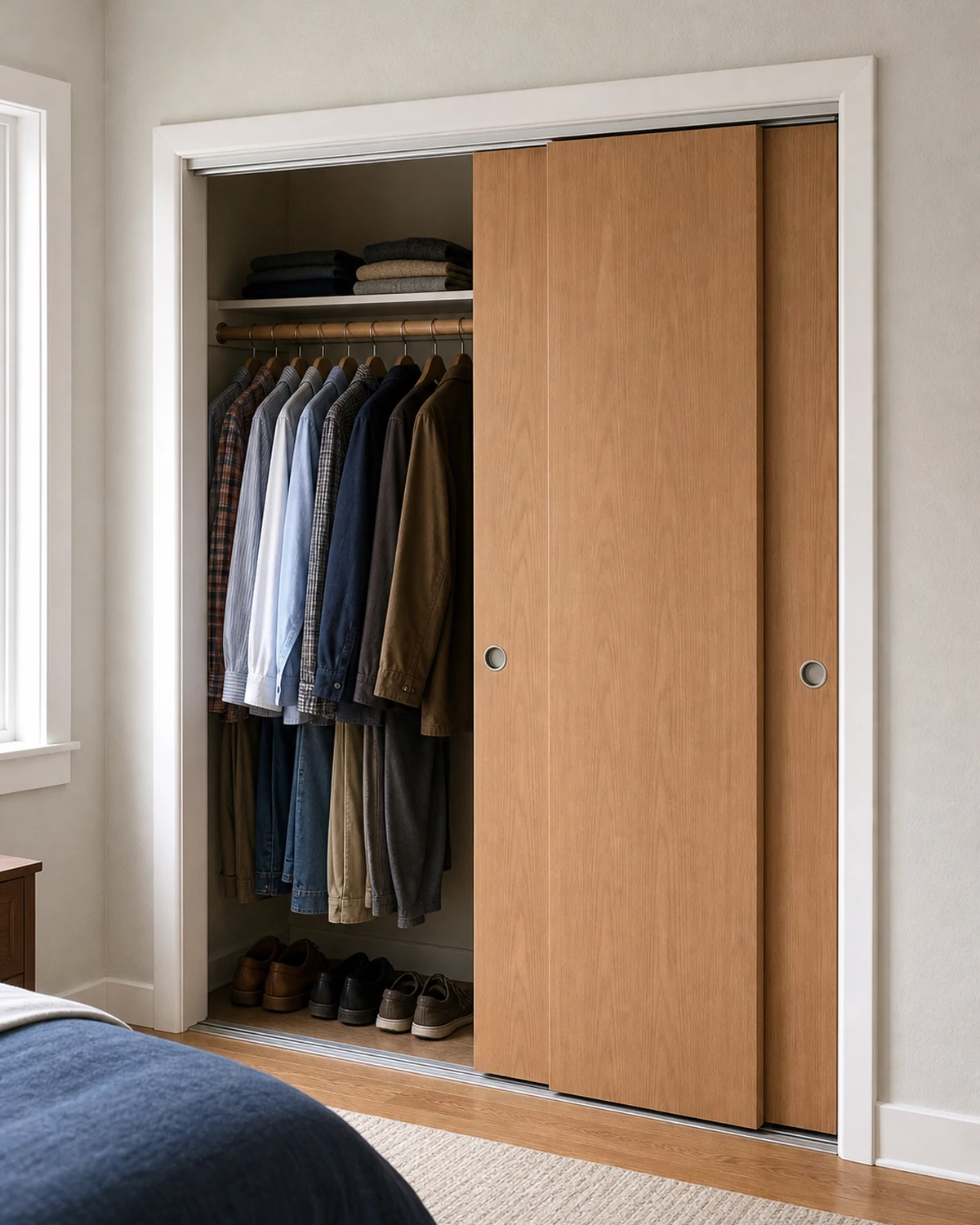
The Reach-In Closet Built Around Your Morning
A doorway-first reach-in closet plan that maps what the door exposes, follows a seven-minute dressing route and gives reworn and clean-return clothing…
Read the complete guide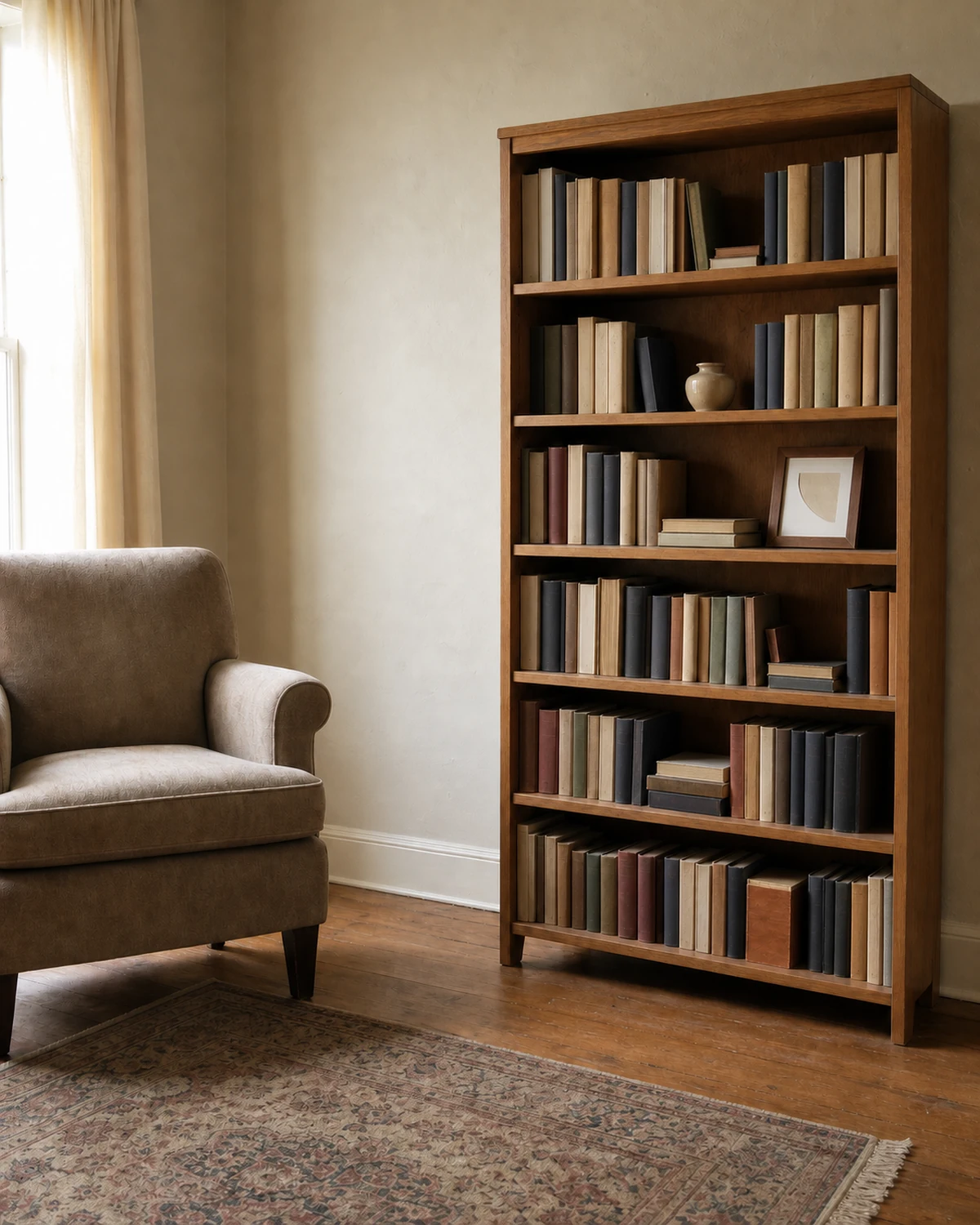
A Bookshelf That Still Works Like a Library
A library-first bookshelf audit for readers who want an attractive case without hiding books behind objects, sacrificing retrieval or ignoring growth and…
Read the complete guide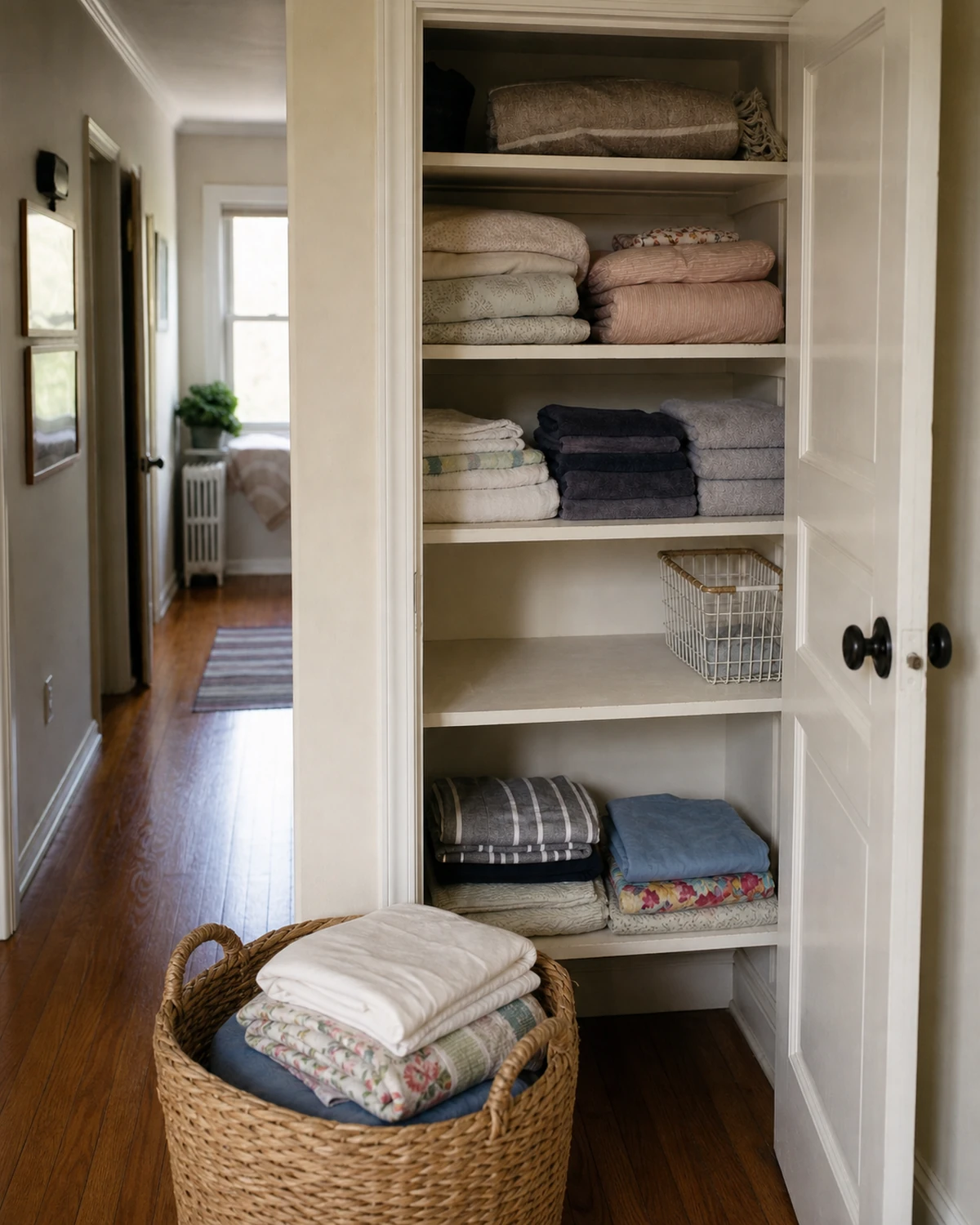
The Linen Closet That Survives Laundry Day
A practical linen-closet field guide that starts with the next clean load, then maps service sets, shelf roles, deep-shelf access, rebound space…
Read the complete guide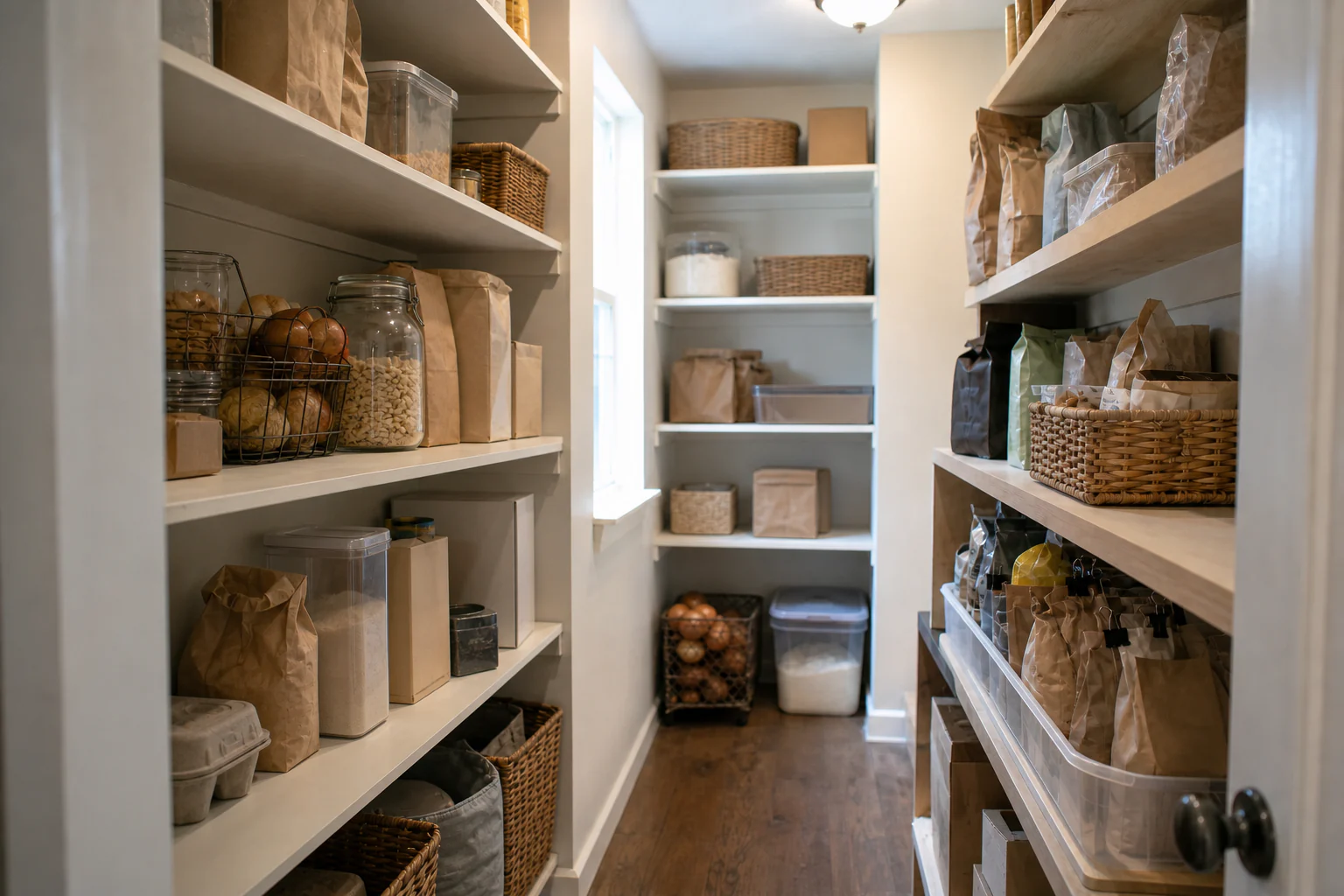
Small Walk-In Pantry Ideas That Keep Food Visible
Organise a small walk-in pantry around arrival, visibility, retrieval, refill, shelf depth, and pest prevention—not matching containers.
Read the complete guide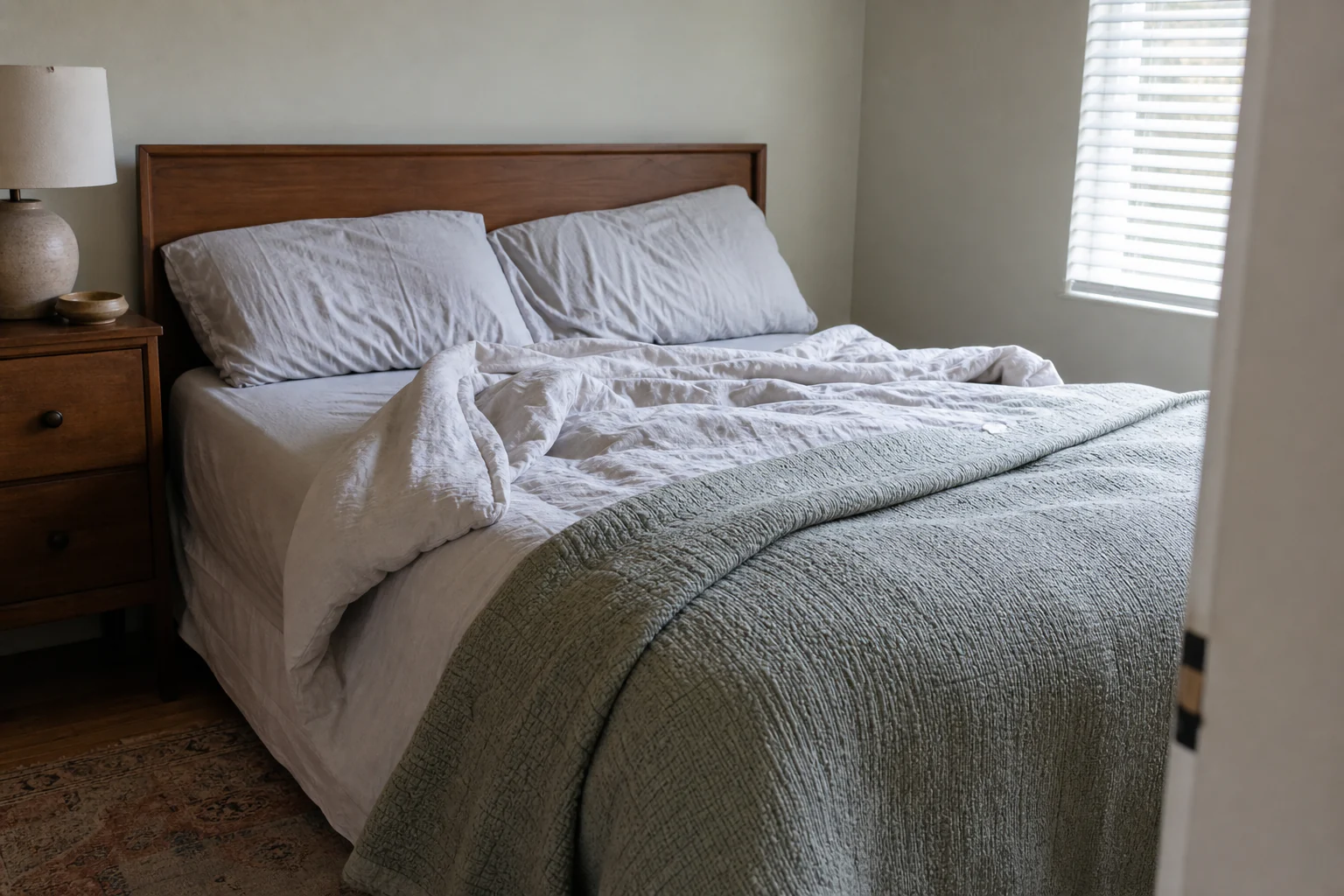
How to Layer Bedding for the Way You Actually Sleep
Build bedding as a washable climate system for hot sleepers, cold sleepers, partners, small machines, and ordinary laundry routines.
Read the complete guide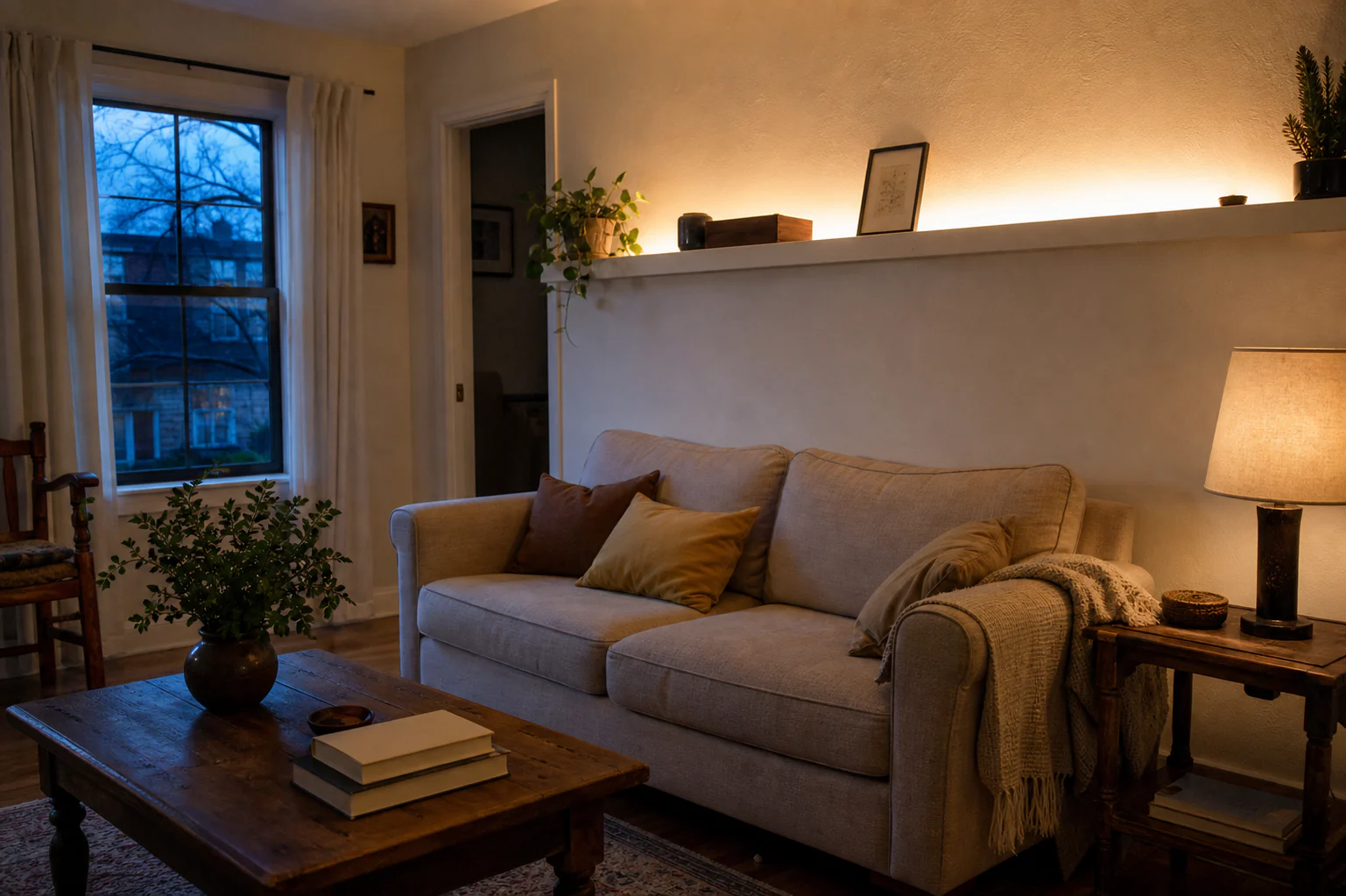
LED Light Ideas That Do Not Look Harsh: A Practical Indirect-Lighting Guide
Hide the LED source, light a nearby surface, test the reflection after dark, and diagnose glare, visible dots, and muddy colour.
Read the complete guide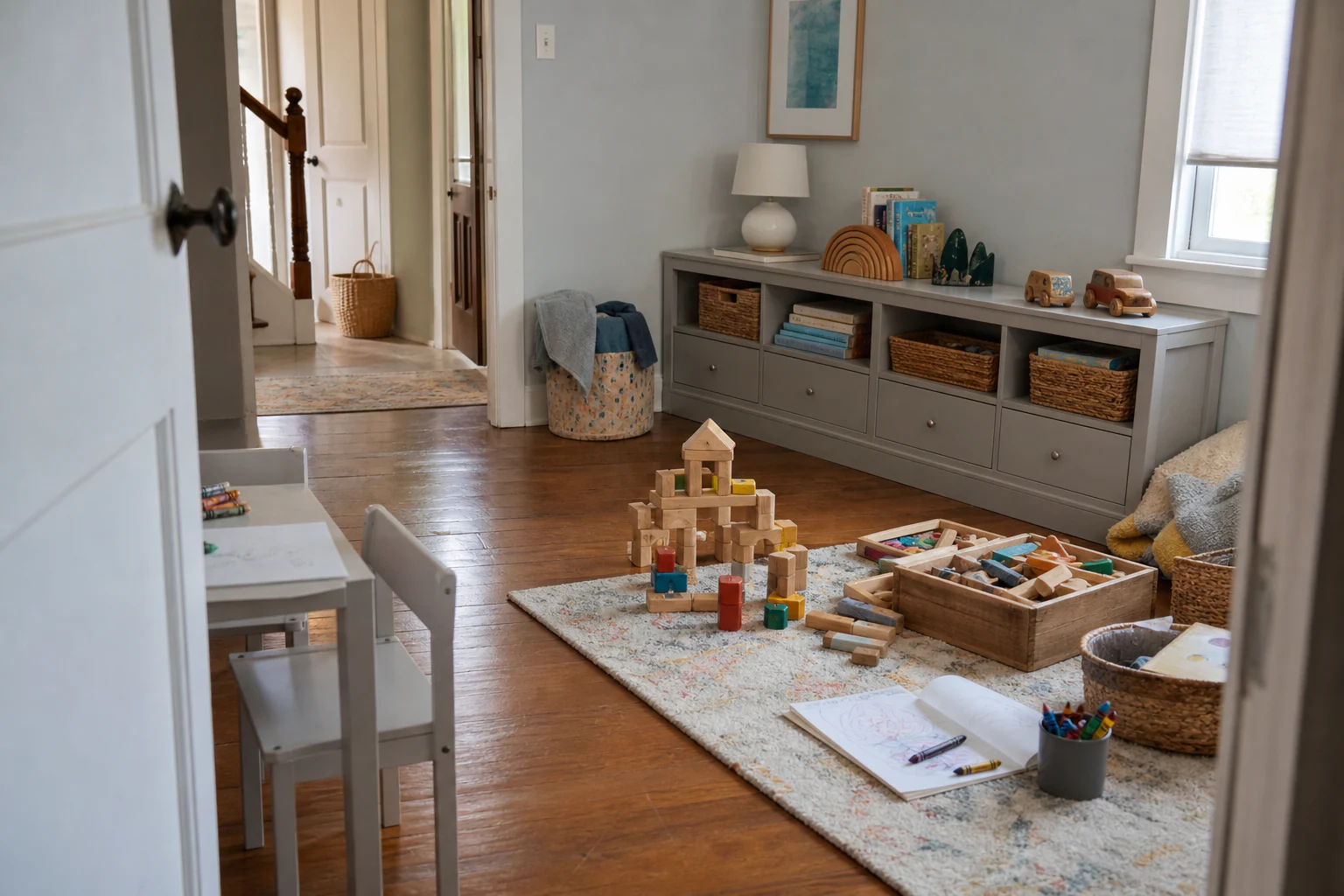
Playroom Ideas That Make the Reset Easier
Observe the play cycle, lower the cost of putting toys away, protect routes and sightlines, and build a seven-minute family reset.
Read the complete guide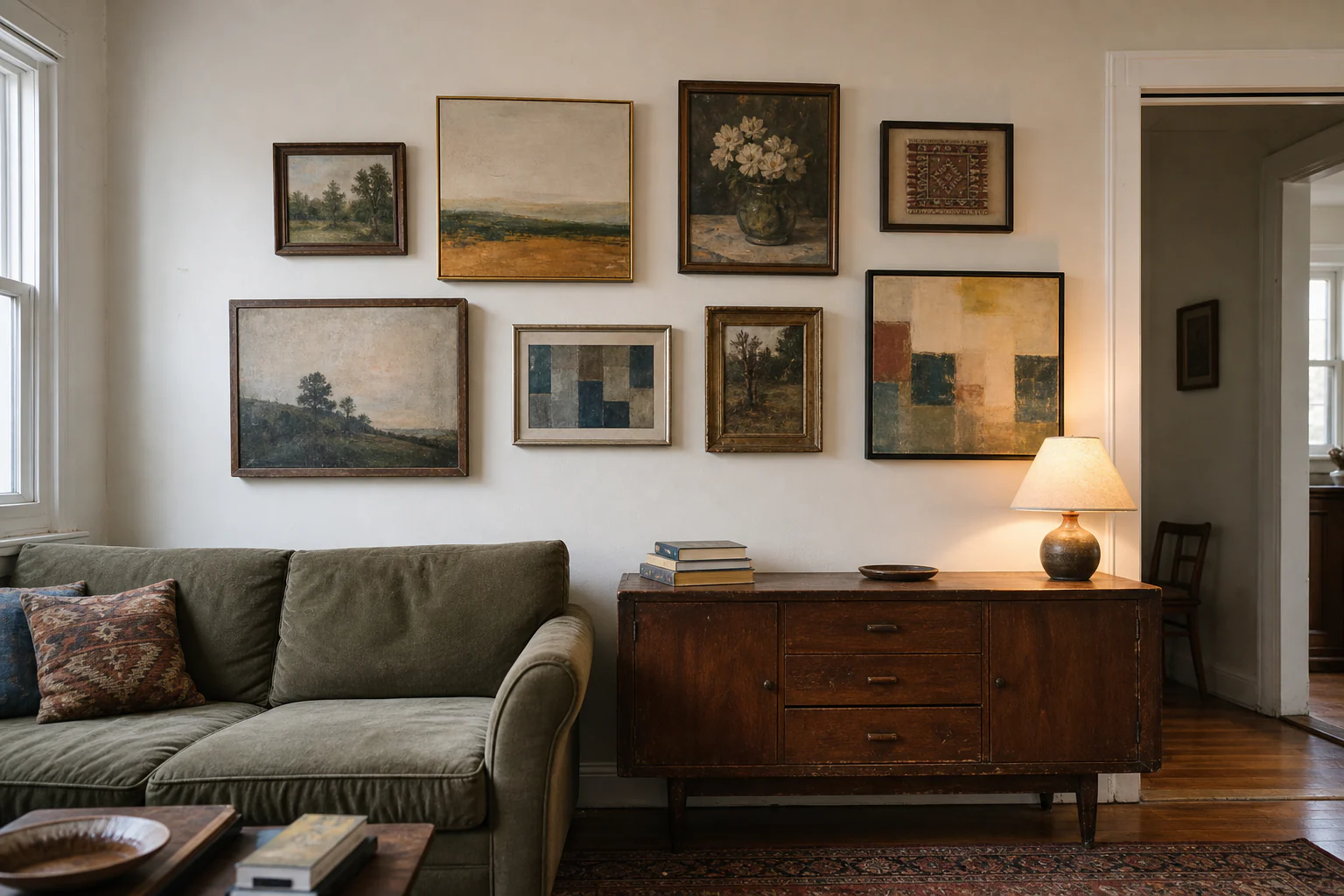
How to Plan a Thrifted Gallery Wall With What You Find
Edit thrifted art as object families, rehearse the arrangement on the floor, and hang paper templates before making holes.
Read the complete guide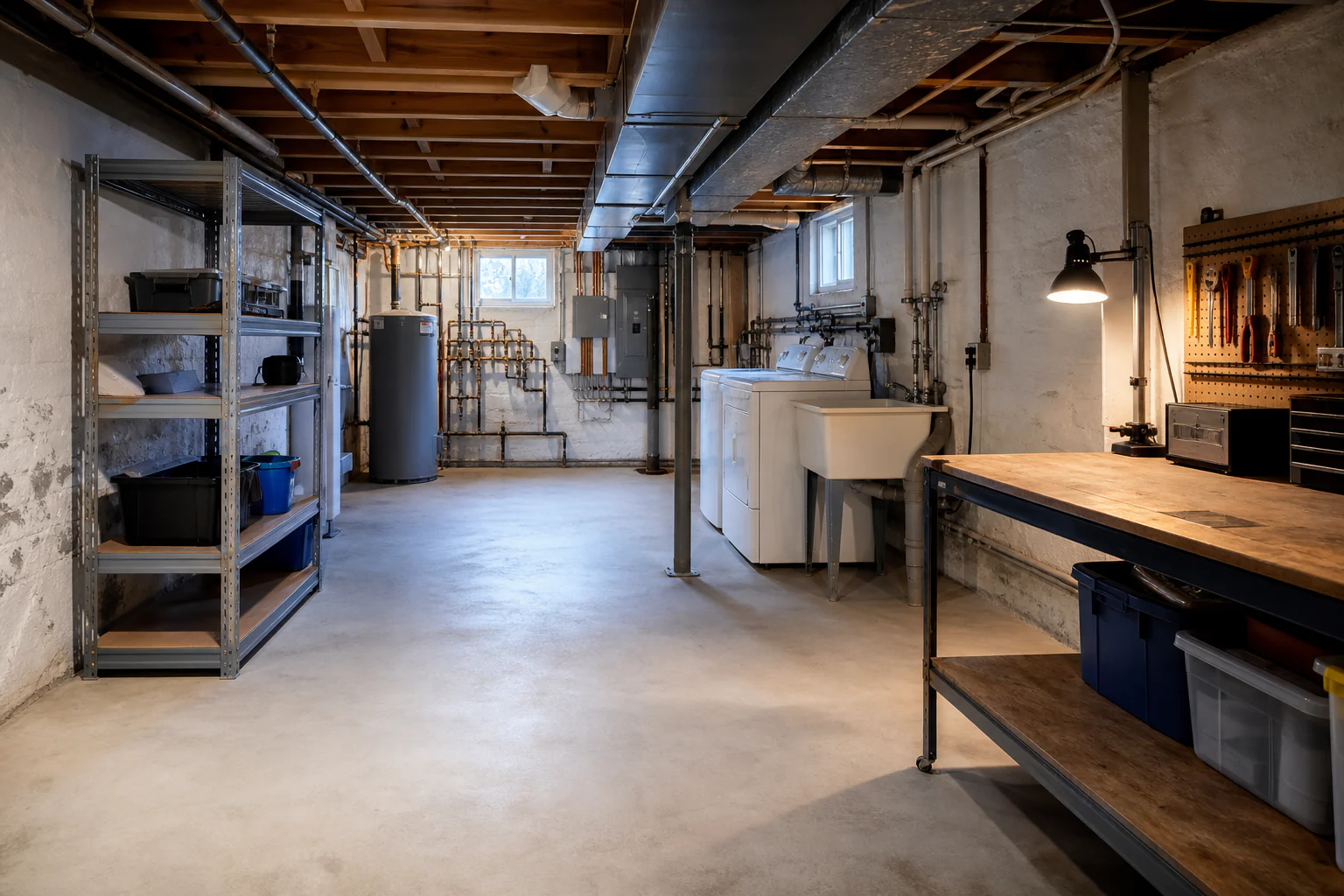
Unfinished Basement Ideas on a Budget: What to Fix Before You Decorate
Audit moisture, services, air, routes, and fire safety before spending on reversible comfort in an unfinished basement.
Read the complete guide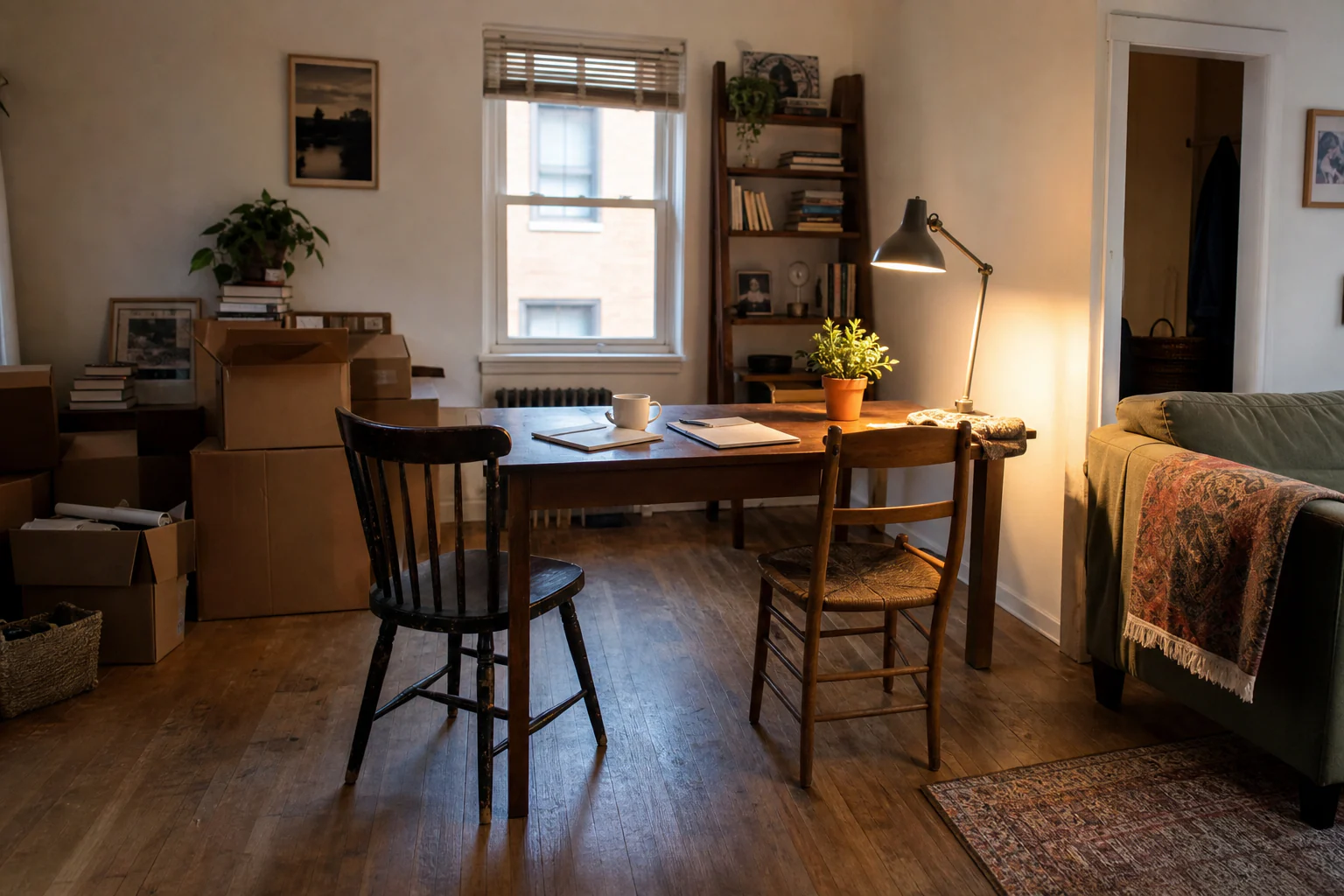
First Apartment Ideas: Set Up the 24-Hour Route Before You Decorate
Set up a first apartment by following an ordinary day from wake-up to close-down, then spend in three deliberate budgets.
Read the complete guide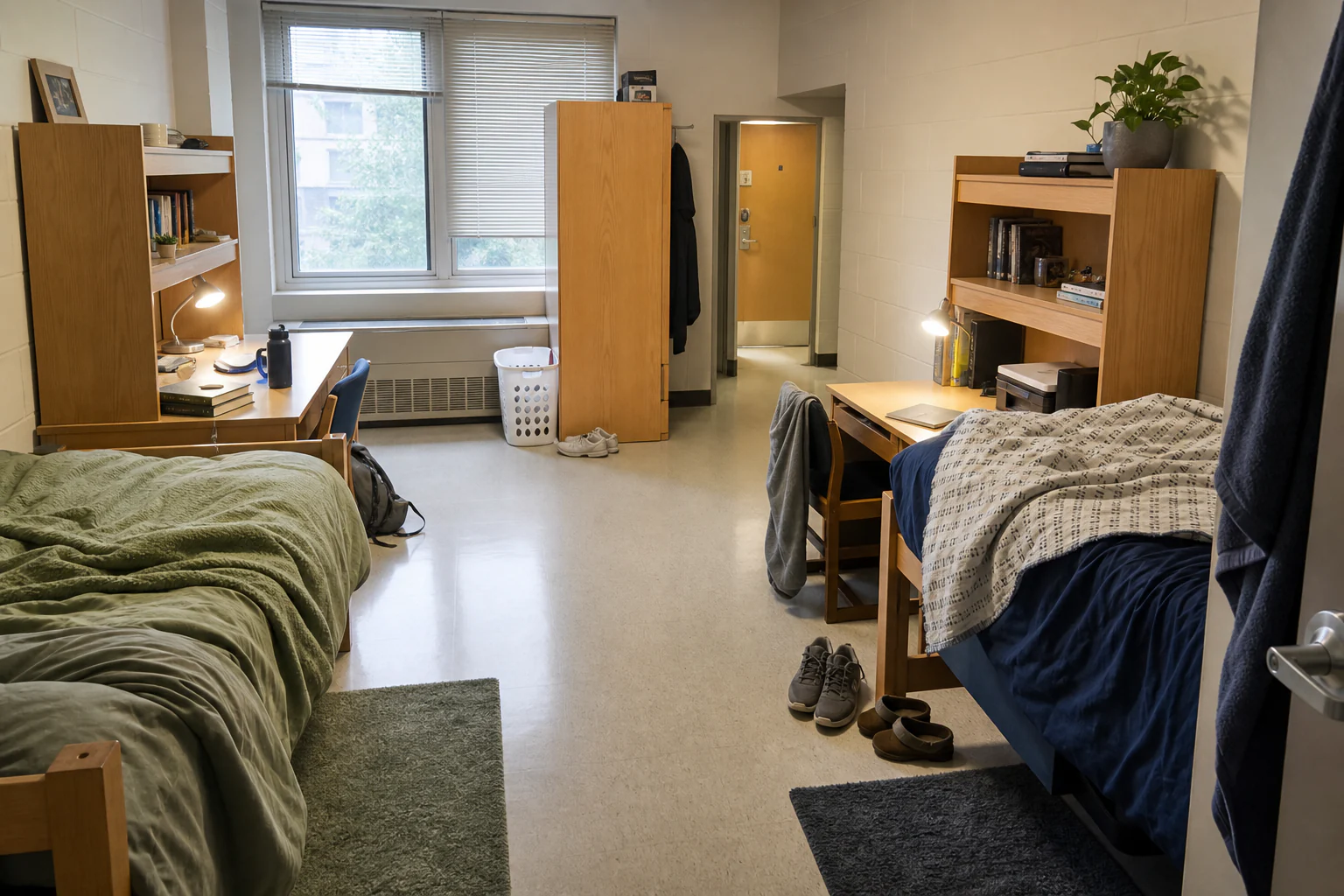
Dorm Room Ideas That Still Work After Move-In Day
Plan a dorm room for the first night, shared route, real study habits, safe charging, and the needs that only appear after…
Read the complete guide
How to Organise a Desk Hutch Around a Real Working Day
Organise a desk hutch by reach, sightline, cable destination, and close-down routine instead of arranging a static shelf display.
Read the complete guide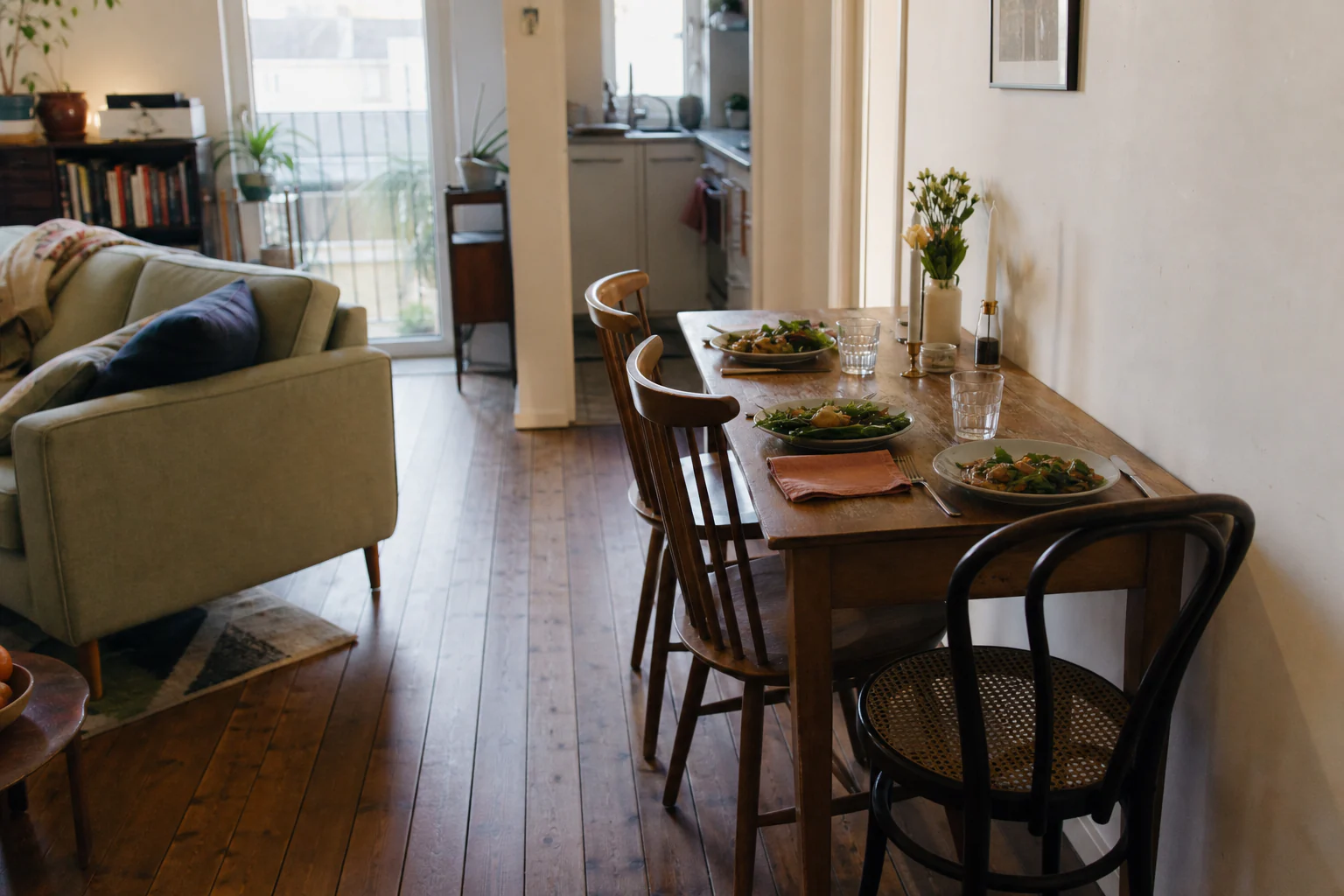
How to Make a Dining Zone When You Do Not Have a Dining Room
Tape-test four practical dining-zone layouts using the table, occupied chairs, and the walking route before buying furniture.
Read the complete guide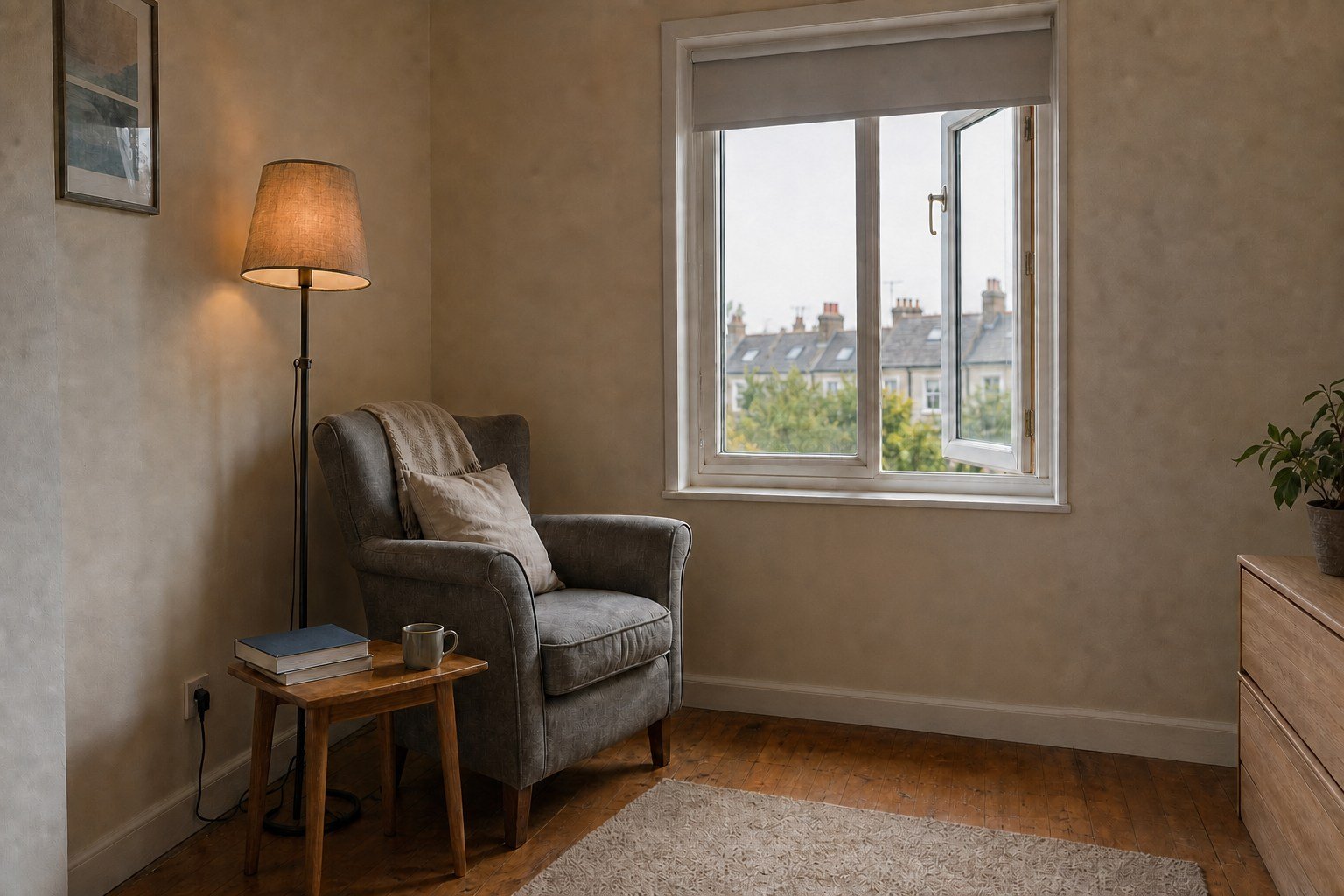
How to Make a Window Reading Nook Without Built-Ins
Create a window reading nook without built-ins. Test access, glare, privacy, heat and routes, then trial a chair, lamp and table for…
Read the complete guide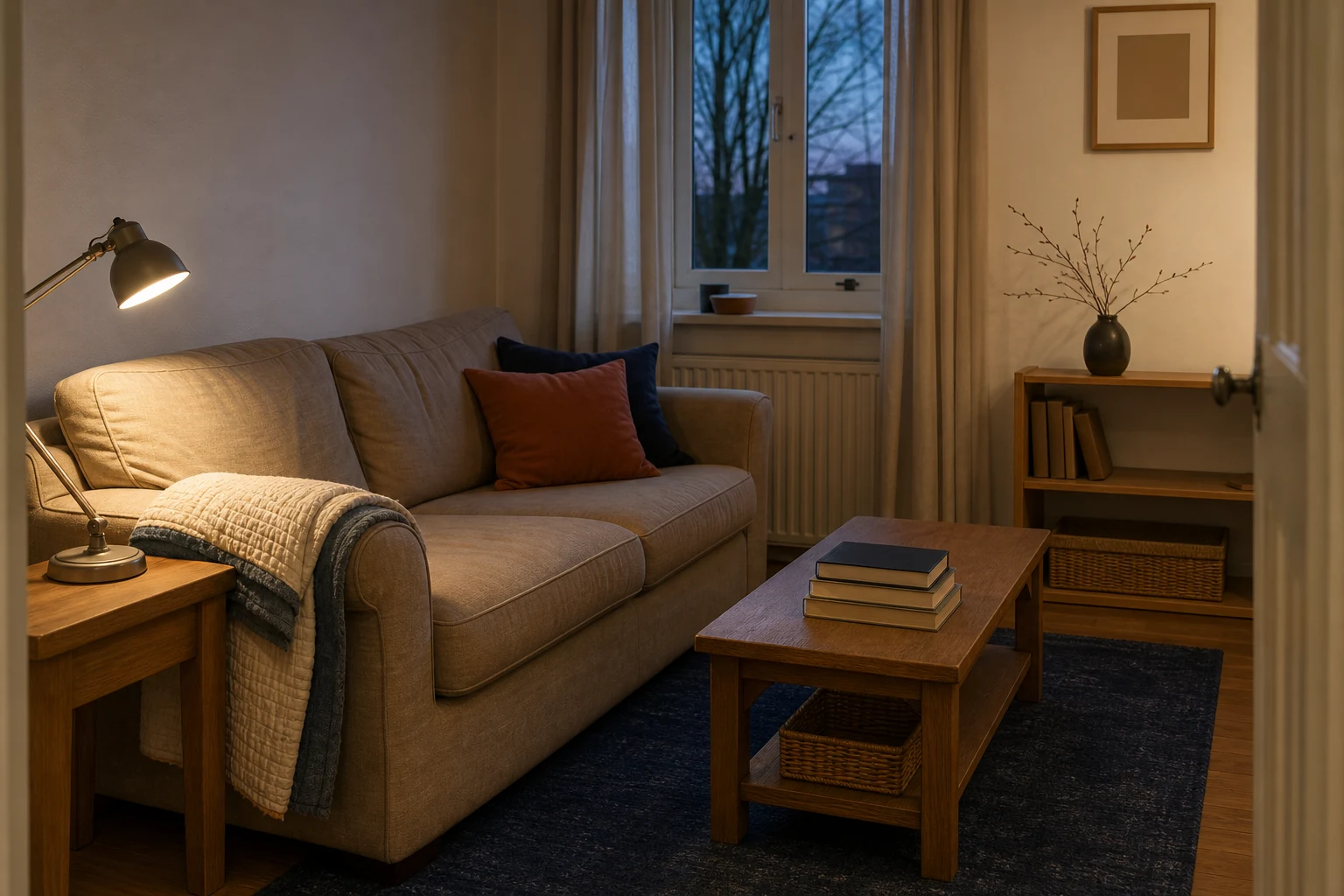
Fall Decorating With Less Stuff: A 30-Minute Room Reset
Reset a room for fall in 30 minutes using the furniture, light, textiles and colour you already own—without creating more clutter.
Read the complete guide
Small Patio Planner: 6 Layouts to Tape-Test Before You Buy
Plan a small balcony, courtyard or patio with six tape-testable layouts that protect doors, drains, routes and real everyday use.
Read the complete guide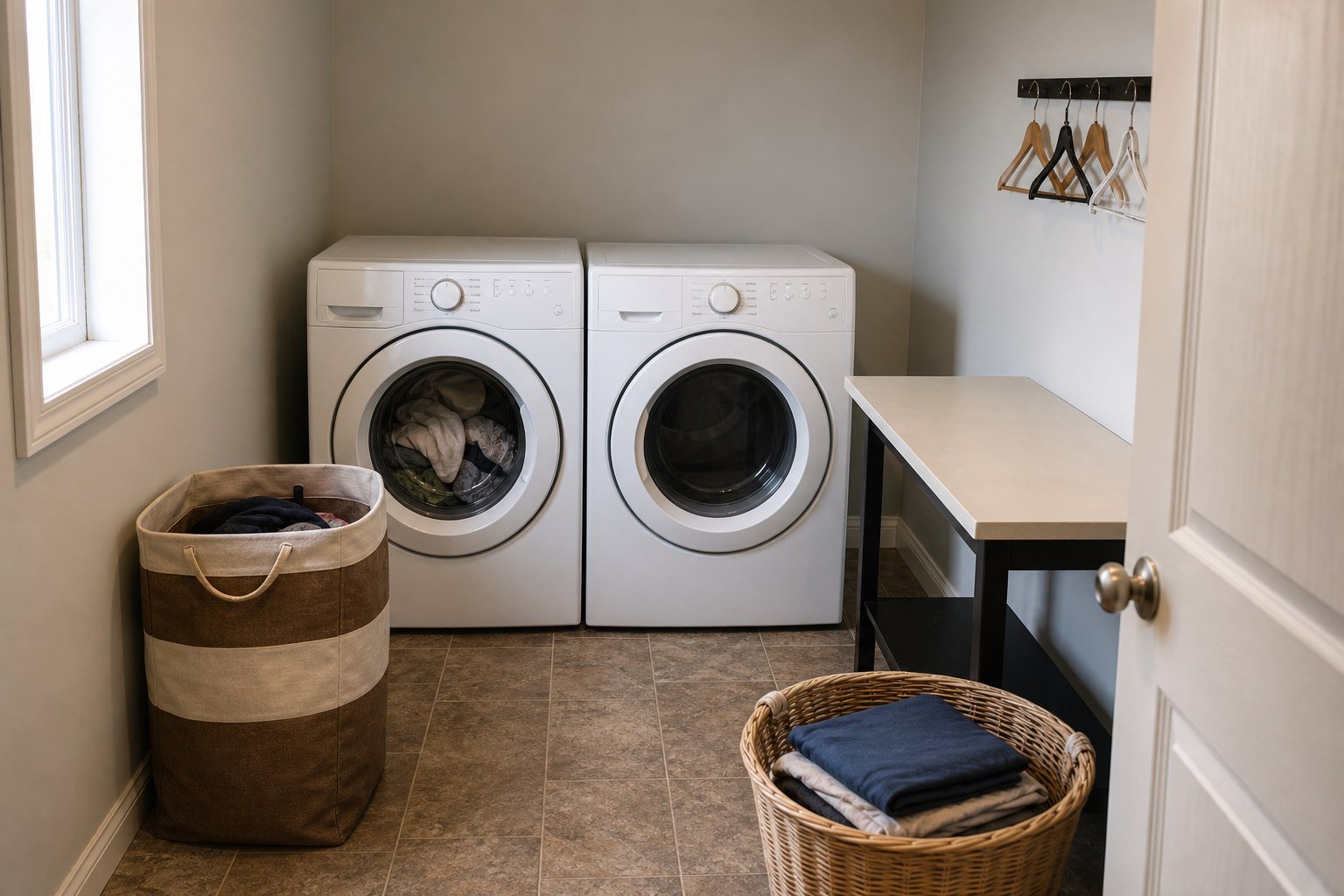
Small Laundry Room Ideas Built Around One Load
Make a small laundry room work by following one load from hamper to exit. Map six stations, protect a landing place and…
Read the complete guide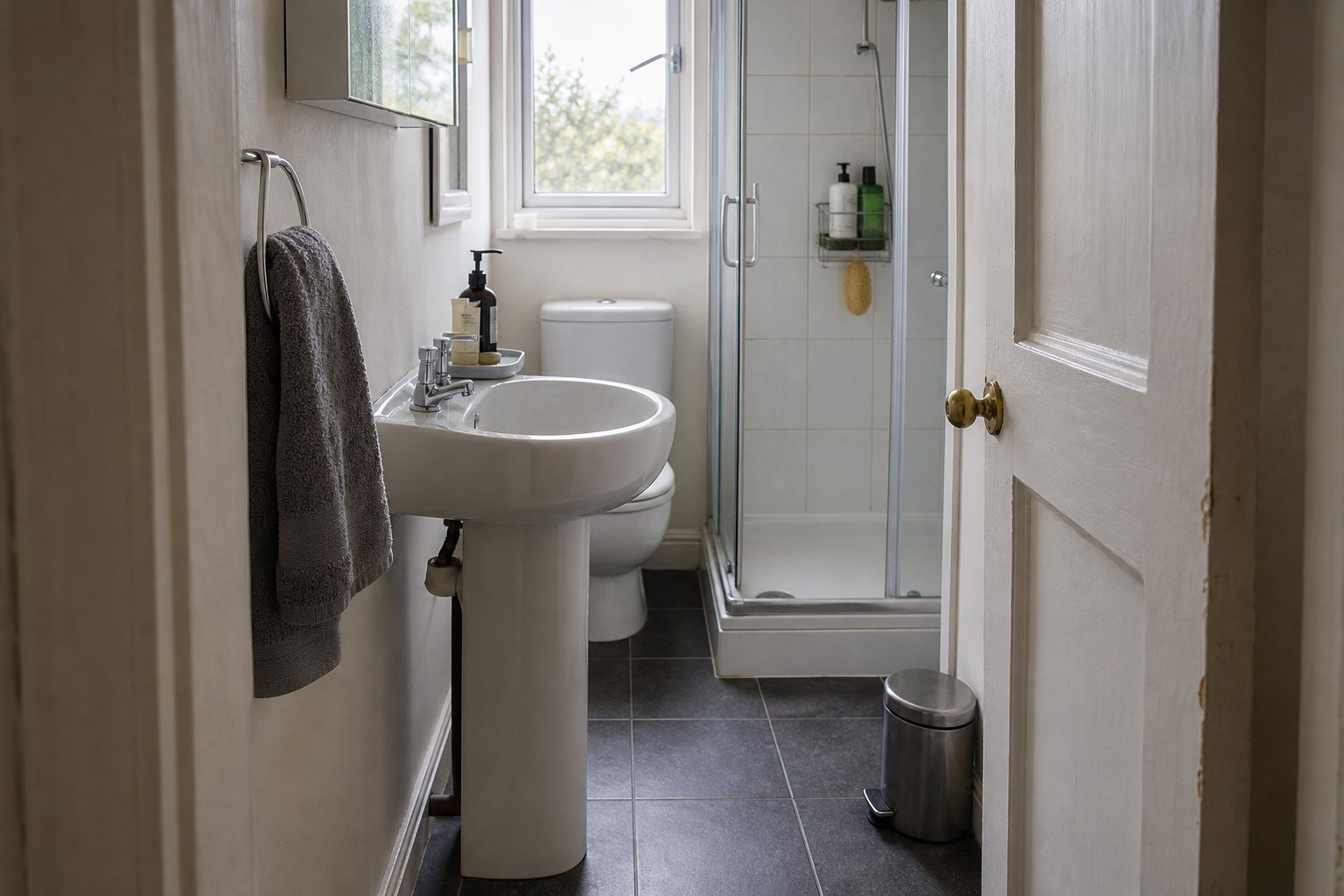
Small Bathroom Storage That Keeps the Floor Clear
Plan small bathroom storage around the floor, wet zone and real reach. Includes a measured example, renter limits and a seven-day no-buy…
Read the complete guide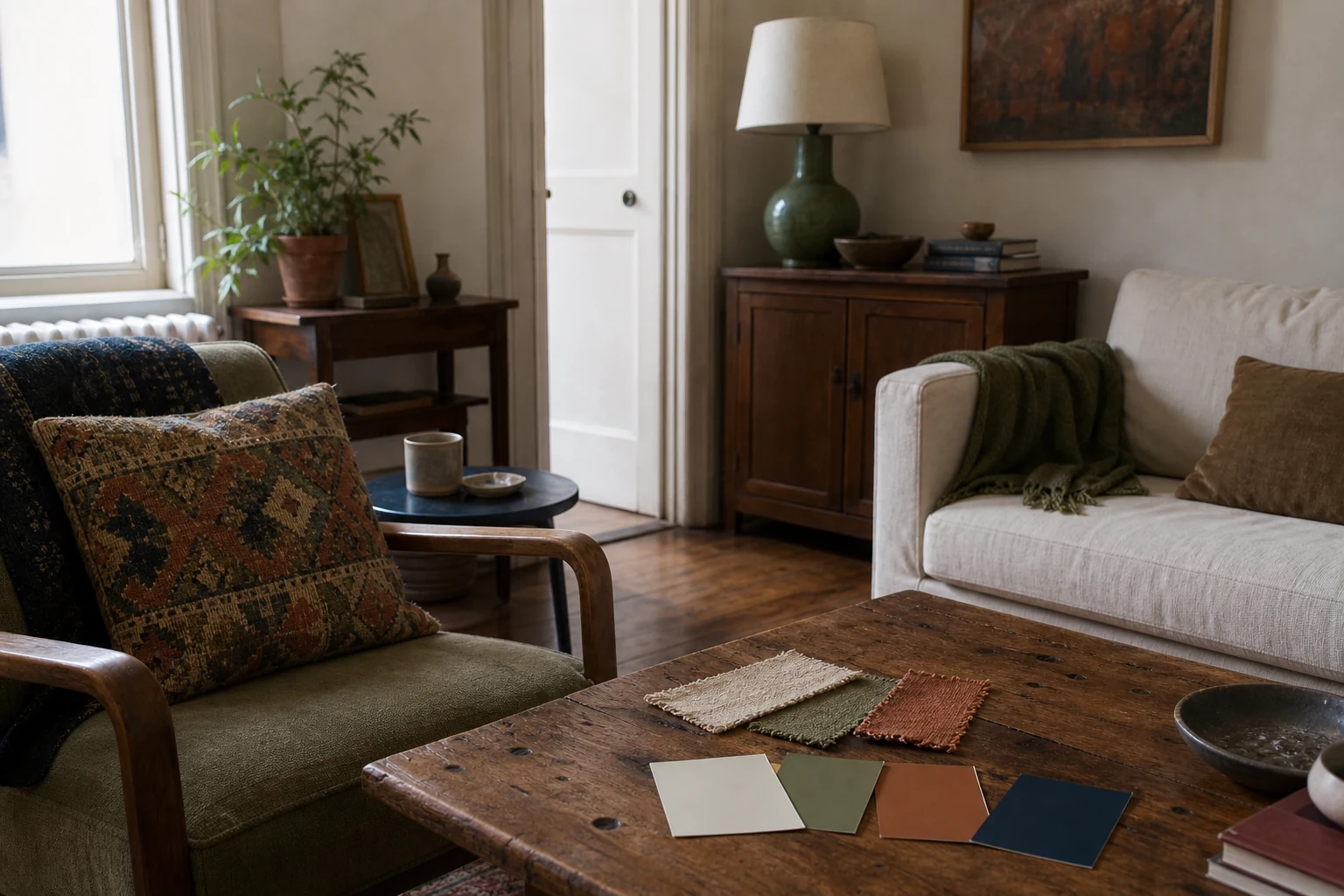
How to Build a Whole-Room Colour Palette From One Thing You Love
A practical method for extracting base, supporting and accent colours from one meaningful item, then testing them across paint, furniture, textiles and…
Read the complete guide
Small-Kitchen Organisation That Works With How You Actually Cook
A behaviour-led system for arranging a compact kitchen around unloading, preparation, cooking, serving and cleaning rather than decorative categories.
Read the complete guide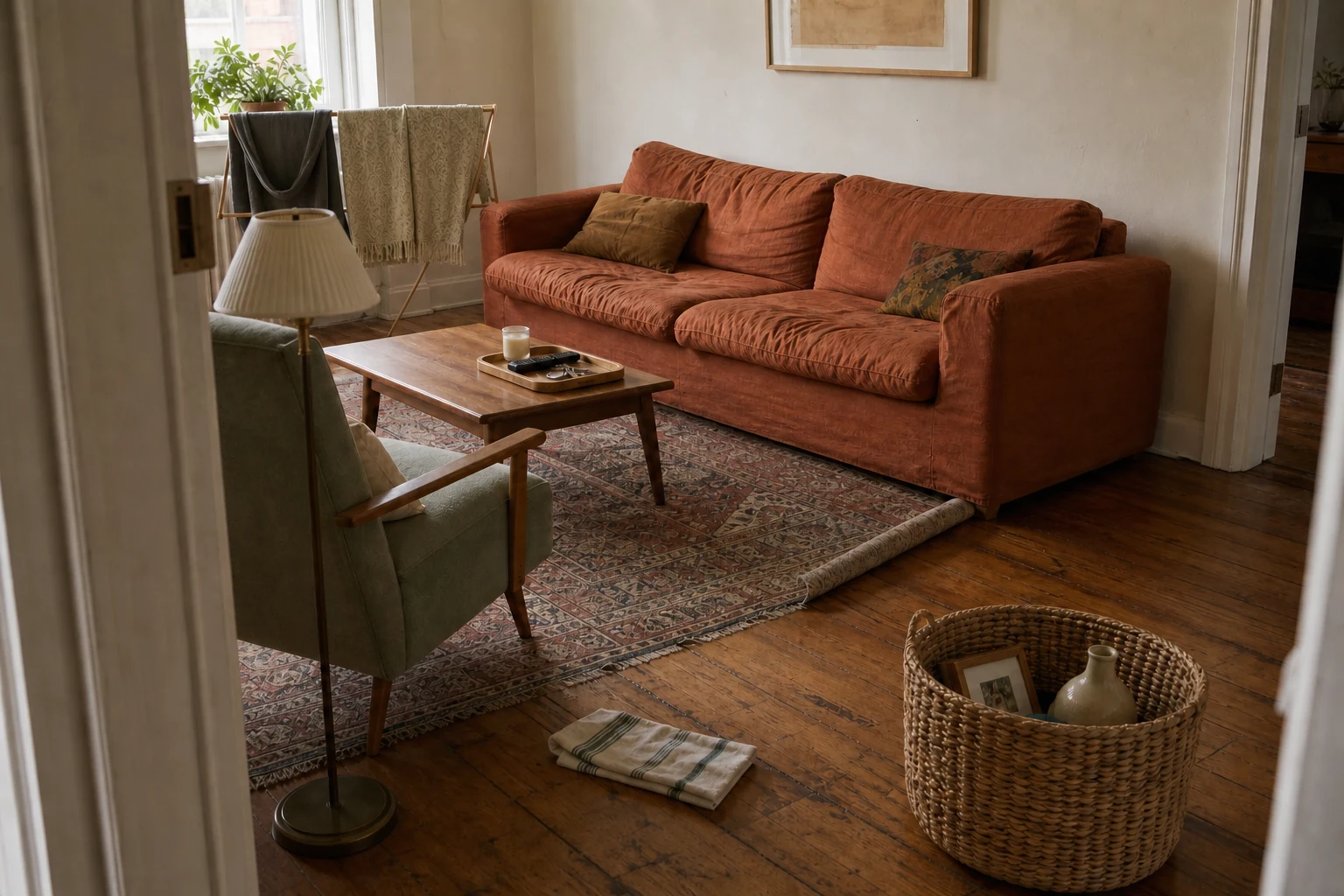
The No-Buy Home Reset: Make Every Room Feel Better With What You Own
A practical room-by-room reset that improves function and atmosphere using only existing furniture, lighting, textiles and storage.
Read the complete guide
Small Bedroom Layout Ideas That Protect Storage and Walking Space
A measurement-led layout guide for fitting a bed, accessible storage and useful bedside space into a small bedroom without blocking movement.
Read the complete guide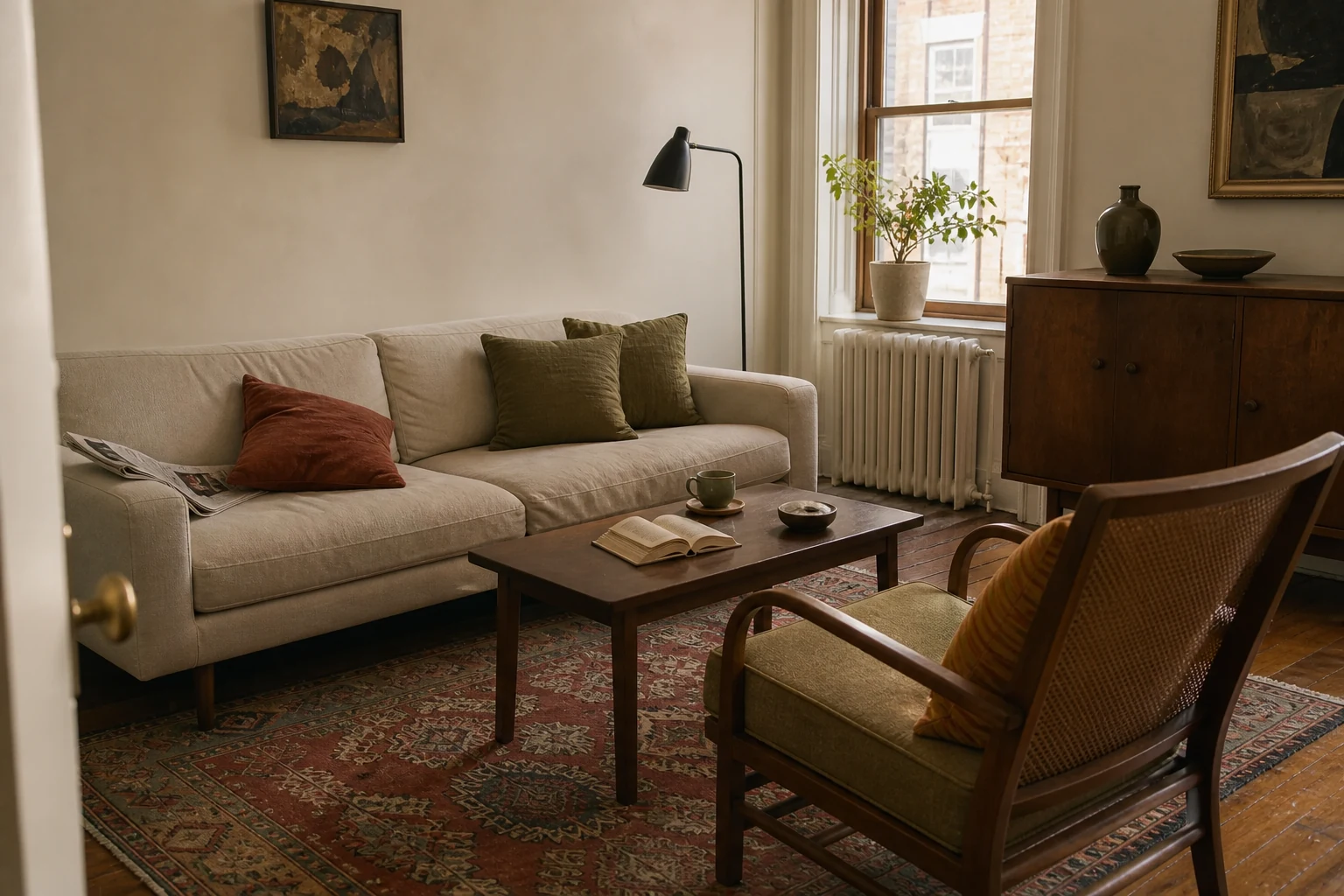
How to Mix Interior Styles Without Making a Room Feel Random
A room-by-room method for combining furniture and decor from different styles and periods without losing coherence, comfort or personality.
Read the complete guide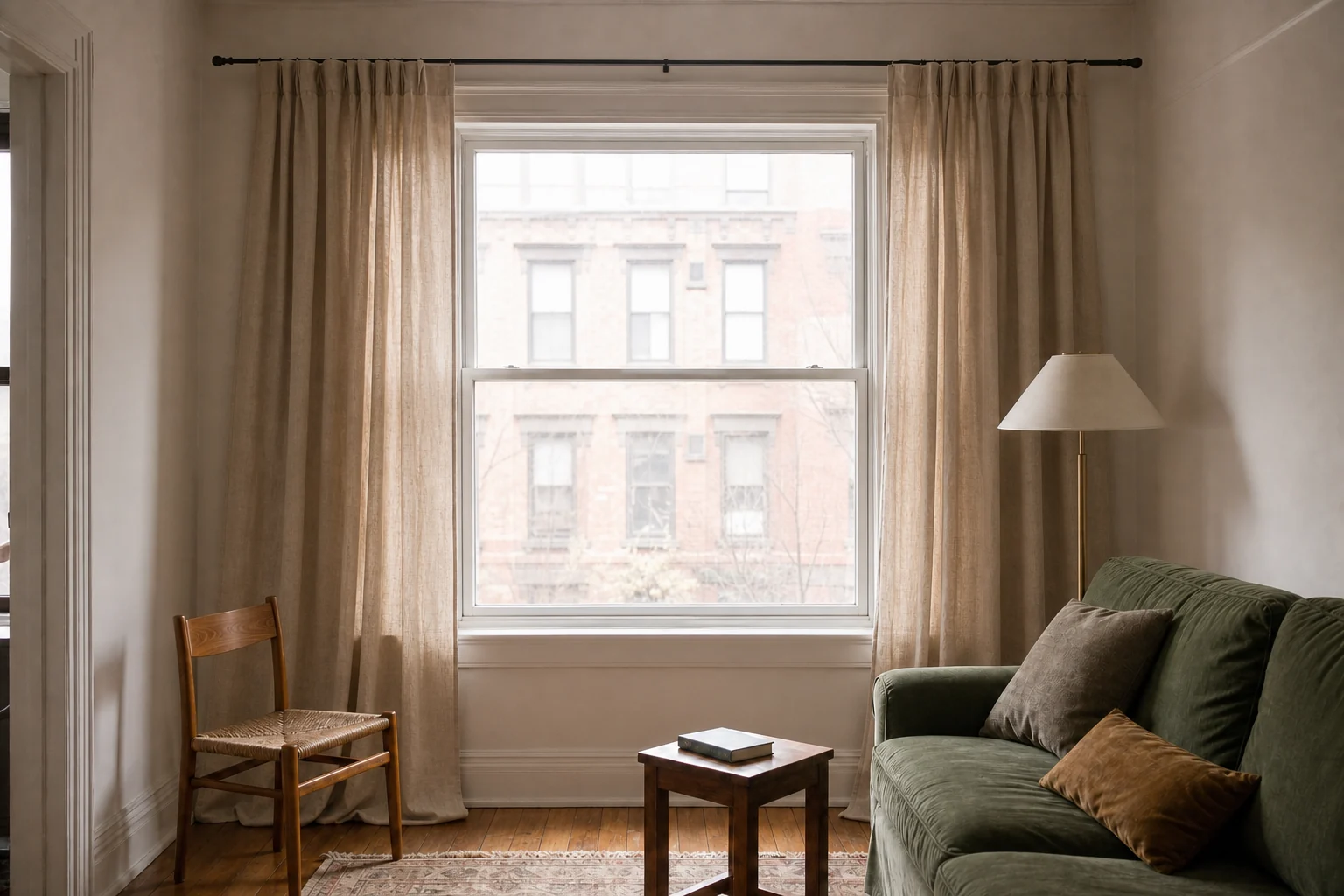
How High and Wide Should Curtains Hang? A Practical Measuring Guide
A complete curtain measuring method for hanging panels higher and wider without blocking glass, heaters, vents, doors or the way a window…
Read the complete guide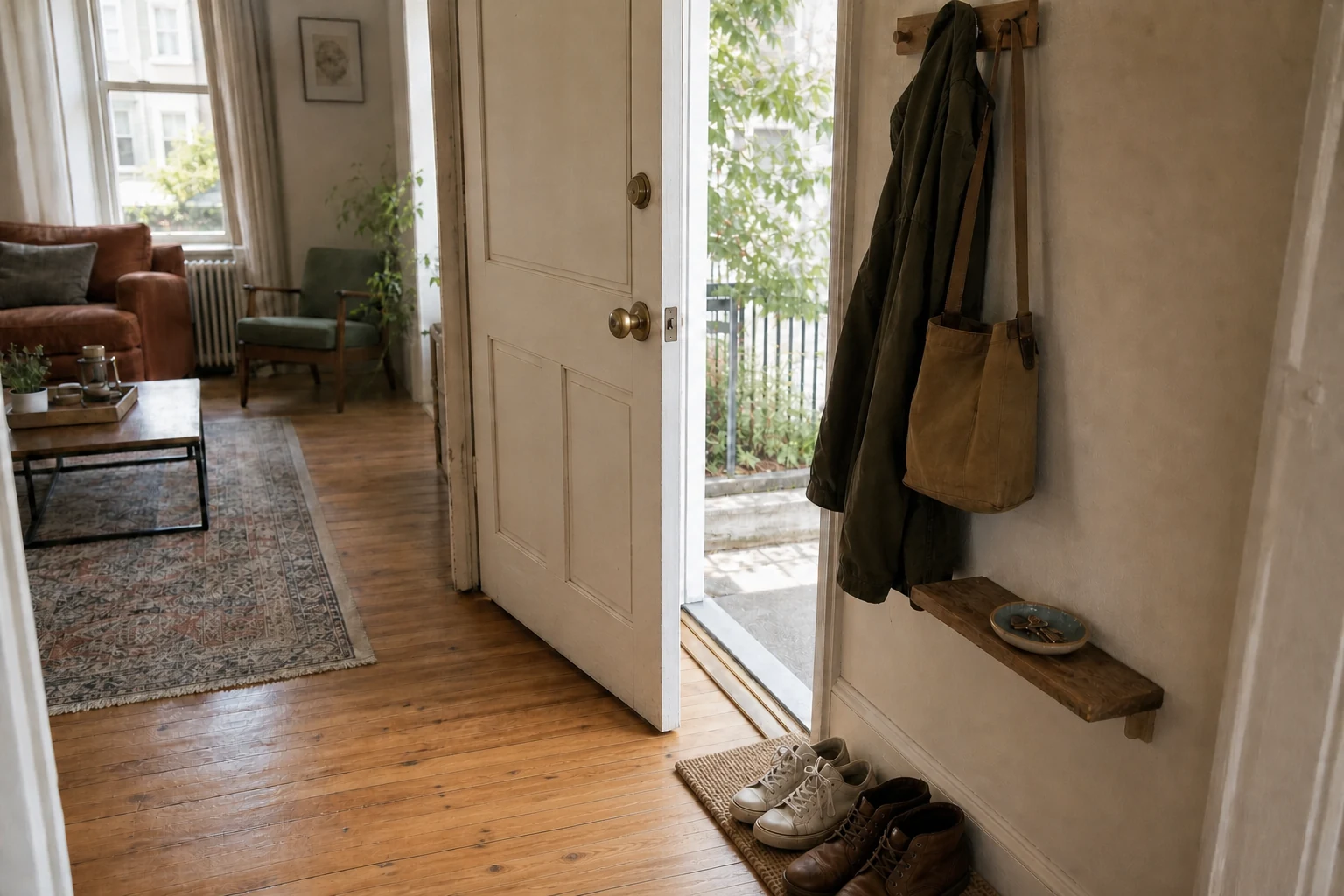
How to Create an Entryway Drop Zone When You Do Not Have an Entryway
A behaviour-first system for catching keys, shoes, bags and paper at the door—even when the home has no hall, coat cupboard or…
Read the complete guide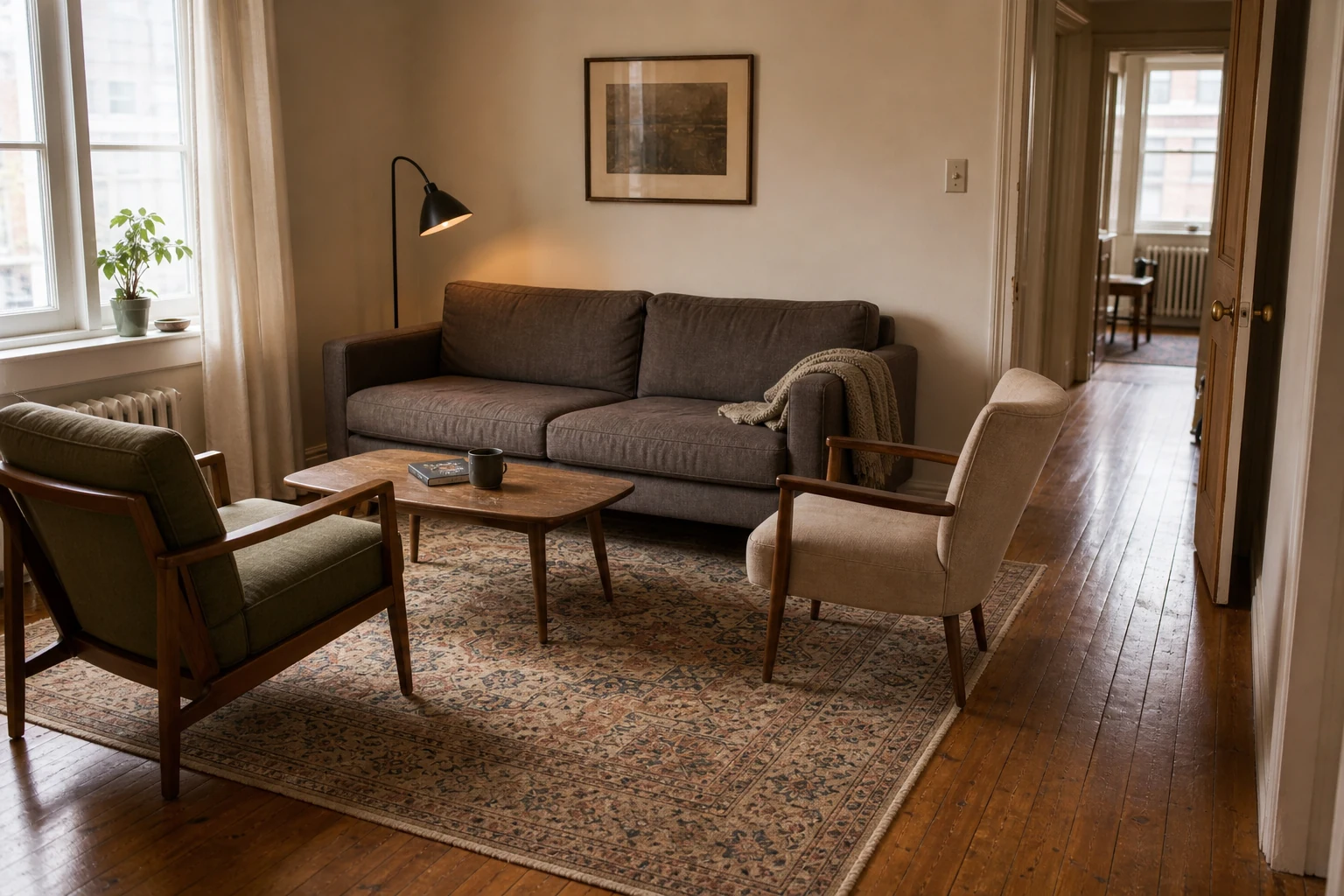
What Size Living Room Rug Do You Need? A Metric and Imperial Guide
A practical rug-sizing method based on the seating group, walking routes and real room proportions—with metric and imperial measurements and safer placement…
Read the complete guide
Before You DIY: The Measure–Test–Safety Checklist
A clear pre-project method for deciding what to measure, what to test, what permission you need and when a home improvement job…
Read the complete guide
How to Layer Living Room Lighting for a Warm, Useful Room
A practical, room-by-room method for combining ambient, task and accent light without glare, mismatched bulbs or unnecessary fixtures.
Read the complete guide
5 Interior Design Styles Explained: Scandinavian, Bohemian, Industrial, Mid-Century Modern & Japandi
Learn the visual language, materials, furniture, colour, strengths, and common mistakes behind five enduring interior styles.
Read the complete guide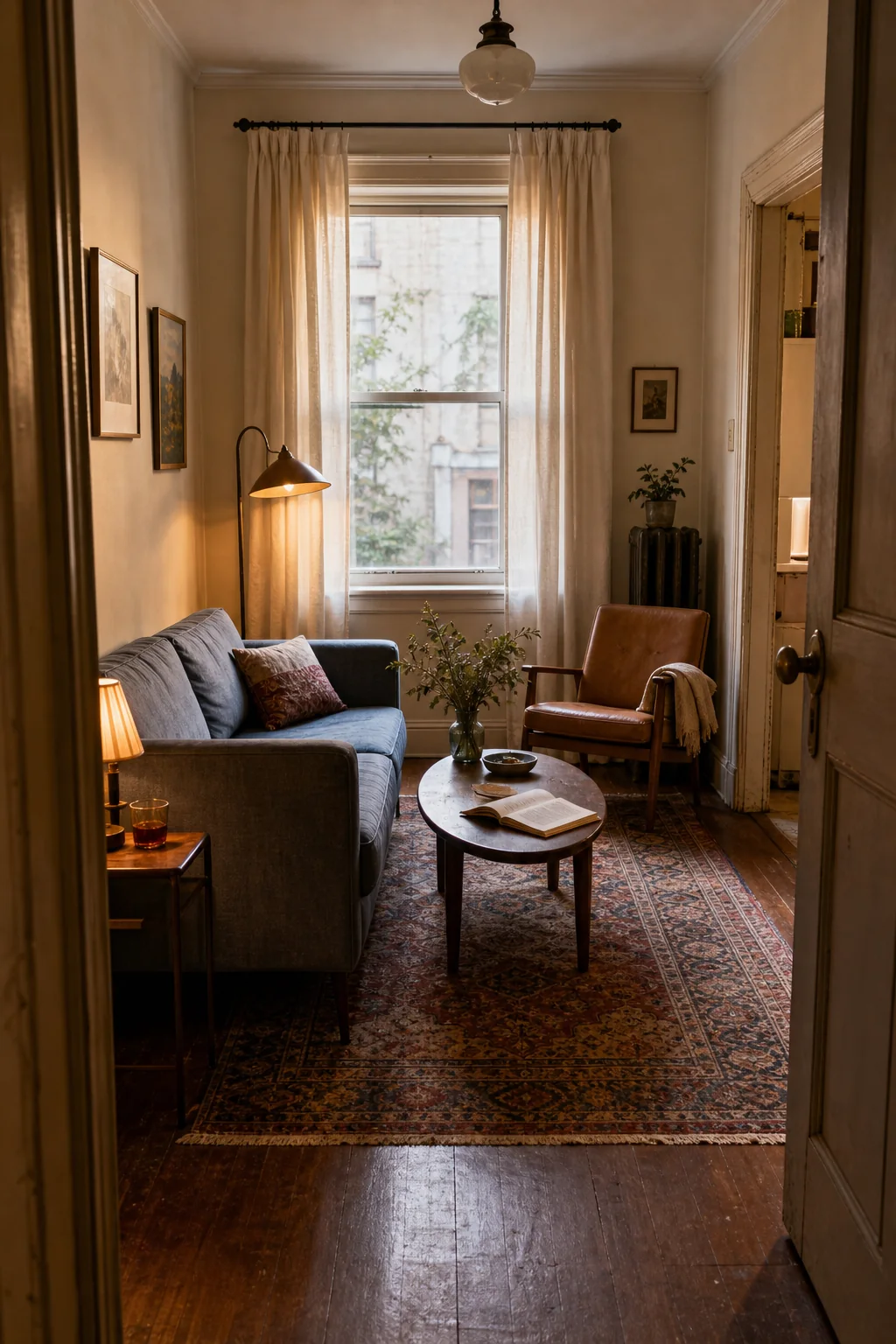
Small Living Room Layout Mistakes That Make Your Space Feel Smaller
A practical guide to circulation, furniture scale, layered lighting, curtain placement, and the rug choices that make compact rooms work.
Read the complete guide
8 Decluttering & Organising Mistakes (and How to Fix Them)
Why clutter returns, which organising systems fail, and eight practical fixes that work with the way a real home is used.
Read the complete guideYour rooms · On this device only
Keep the useful pieces together.
Saved guides, checklist progress, your latest tiny plan, and the next move you choose stay in this browser. No account and no activity tracking.
No project board yet.
Save a guide when a room deserves another visit, then come back here to give it a room and one realistic next action.
Find a guide to keepWhy trust Dealsmaster
Useful before precious.
We explain the reason behind a recommendation, name the trade-offs, and distinguish researched guidance from firsthand testing. No invented experts, fake renovations, or disguised sales copy.
Read our editorial standards